
Canada Faces Constitutional Crisis as Alberta Prepares for Secession Vote
Canadian Prime Minister Mark Carney has appealed for national cohesion as Alberta approaches a historic secession referendum, rattling North American energy corridors and sovereign debt markets.
Geopolitical & Core Developments
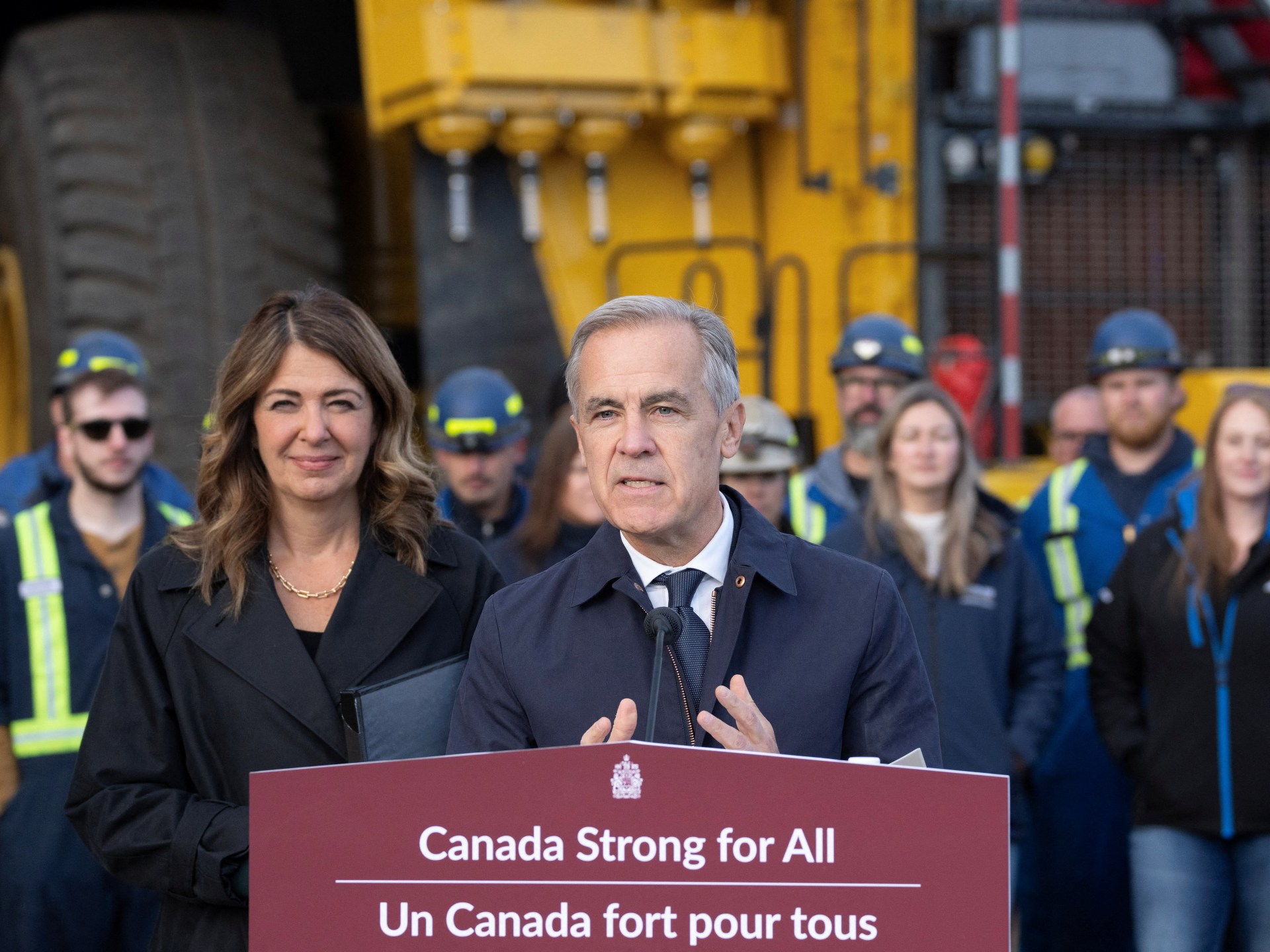
Canada has entered an unprecedented era of constitutional and political jeopardy as Prime Minister Mark Carney delivered an urgent Thanksgiving appeal for national unity, arriving merely one week before the province of Alberta conducts a pivotal referendum on secession. Addressing the federation from Ottawa, Carney characterized the integrity of the dominion as fundamental to its democratic and economic resilience in an increasingly fragmented global order. The impending vote marks the culmination of longstanding friction between Western Canada's resource-driven heartland and the federal government, driven by disputes over federal carbon mandates, pipeline development restrictions, and fiscal equalization arrangements.
Political leadership in Edmonton has framed the referendum as a definitive measure to restore provincial autonomy and secure economic sovereignty. The escalation of secessionist momentum follows years of institutional friction, during which Alberta's conservative policymakers asserted that federal policies systematically compromised the province's natural resource sector. Carney's administration, navigating its most consequential domestic test, has sought to avert an institutional schism by offering expedited federal-provincial regulatory reviews. However, separatist factions maintain robust momentum, setting up a high-stakes constitutional confrontation with wide-ranging implications for the G7 member state.
Global Trade & Economic Ripples
The economic implications of an independent or constitutionally estranged Alberta reverberate far beyond Ottawa, presenting severe challenges to North American energy infrastructure and global commodity flows. Alberta accounts for over eighty percent of Canada's crude oil output, holding the world's third-largest proven crude reserves via its oil sands deposits. A formal push toward sovereignty introduces immediate regulatory ambiguity over cross-border pipelines, including the Trans Mountain expansion and major corridors delivering Western Canadian Select (WCS) crude to Gulf Coast refiners.
Commodity analysts warn that jurisdictional disputes could destabilize long-term crude takeaway agreements, widening the WCS discount against West Texas Intermediate (WTI) and introducing supply vulnerability to international buyers reliant on Canadian heavy crude. Financial markets have already reflected the mounting tension, with the Canadian dollar facing downward pressure and sovereign bond yield spreads widening as institutional investors price in sovereign risk. Furthermore, corporate entities with capital allocations in Albertan energy, agricultural exports, and petrochemical processing face uncertain tax jurisdictions and currency conversion risks in the event of an institutional split.
Related Intelligence: Actor and Global Disability Rights Advocate RJ Mitte Dies at 34
International Reactions & Diplomatic Stances
International trading partners and geopolitical institutions are observing the standoff with acute concern. In Washington, foreign policy officials and Department of Energy analysts are closely tracking developments, cognizant that any disruption to integrated North American energy grids or logistics networks could compromise U.S. domestic refining capacity and bilateral trade governed by the United States-Mexico-Canada Agreement (USMCA). While the U.S. State Department has formally adhered to a stance of non-interference, calling the referendum an internal Canadian matter, senior defense and trade officials acknowledge that an unstable northern neighbor risks North American Continental Defense (NORAD) alignment.
Credit rating agencies, including Moody's and S&P Global, have signaled that protracted constitutional instability could prompt negative sovereign credit outlooks for both the federal government and the province of Alberta. Global financial institutions operating across Toronto and New York have begun stress-testing portfolios for capital-flight scenarios and legal deadlock over provincial obligations regarding Canada's national debt.
Strategic Outlook & Future Scenarios
The immediate trajectory hinges on the turnout and margin of the upcoming referendum. A definitive 'Yes' vote would not trigger immediate independence under existing Canadian legal frameworks; it would instead mandate negotiations under the Supreme Court of Canada's 1998 Reference re Secession of Quebec, requiring bilateral constitutional amendments, negotiations on federal asset division, and the demarcation of Indigenous treaty lands. Indigenous First Nations leadership across Alberta has broadly opposed unilateral provincial separation, asserting that their treaties reside directly with the British Crown and the Canadian state, introducing profound legal bottlenecks to any secessionist roadmap.
Should the electorate reject the proposal, Carney's government will remain pressured to deliver structural fiscal concessions and dismantle regulatory hurdles to placate the resource sector. In either scenario, Canada's institutional equilibrium has been fundamentally altered, signaling prolonged policy instability and strategic reevaluations across global energy markets.
Join Our Official WhatsApp Channel
Receive live commodity alerts, policy changes, and commercial intelligence directly on WhatsApp.