
Elite Sports Asset Fragility Highlights Multi-Billion Dollar European Commercial Exposure
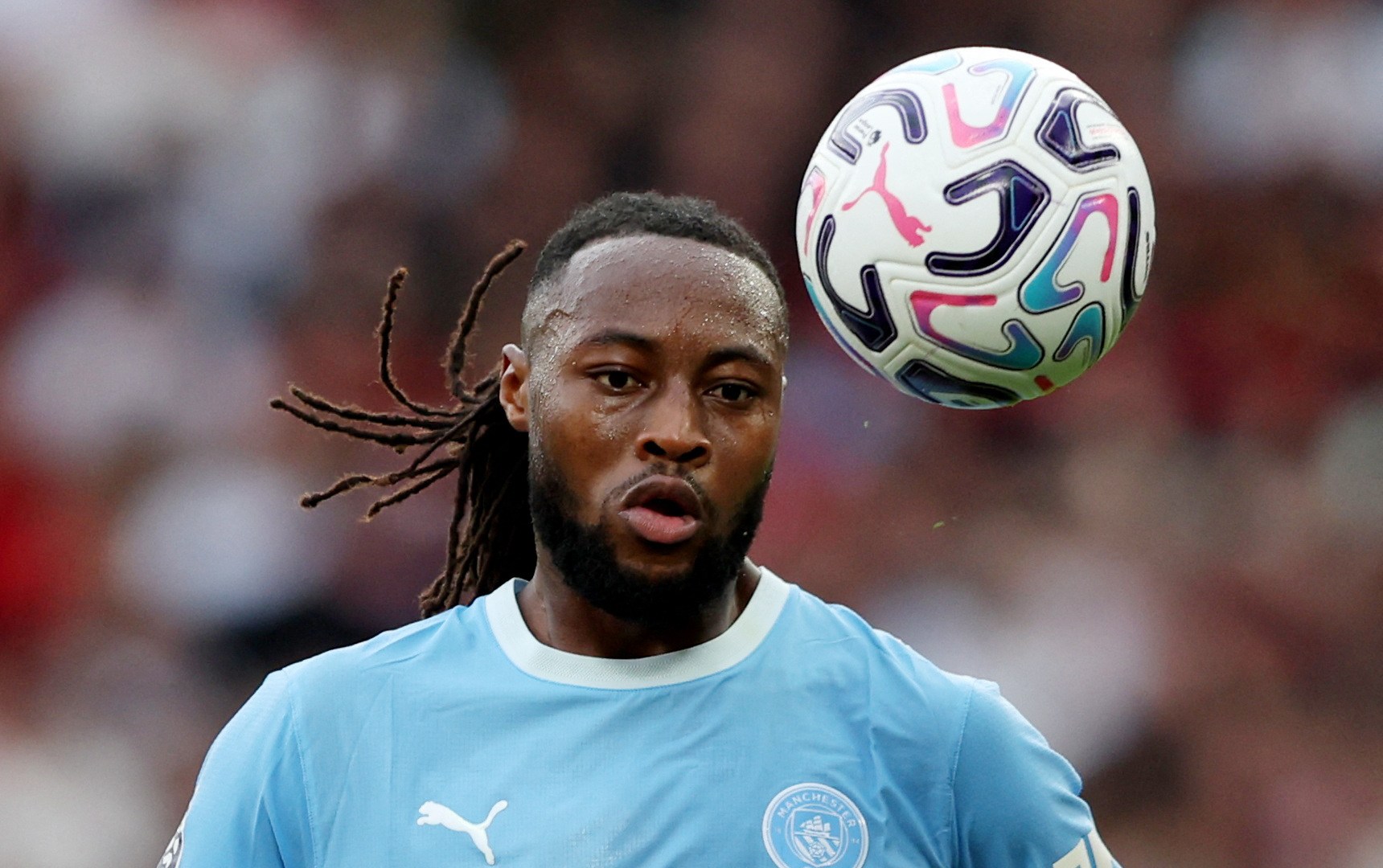
An eight-week knee injury to Manchester City's Semenyo underscores the operational and financial vulnerabilities within elite global sporting franchises backed by sovereign capital.
Geopolitical & Core Developments
The governance of international football operates at an intersection of transnational capital, sovereign investment strategies, and commercial entertainment diplomacy. The confirmation that Manchester City forward Antoine Semenyo faces up to eight weeks on the sidelines due to a knee injury coincides with Erling Haaland's cleared availability ahead of upcoming UEFA Champions League fixtures. While ostensibly a domestic sporting development, the structural realities governing elite European clubs reveal broader institutional exposure.
Manchester City, owned principally by the Abu Dhabi United Group under the umbrella of City Football Group (CFG), represents a vanguard vehicle of soft power and economic diversification for Gulf sovereign wealth. Over the past two decades, state-backed entities across the Middle East have deployed hundreds of billions of dollars into high-yield entertainment, infrastructure, and athletic franchises. When marquee personnel encounter structural physical attrition, the cascading operational impact highlights the fragility of labor assets that underpin these multi-billion-dollar soft power projections.
Global Trade & Economic Ripples
The contemporary football ecosystem functions as an international commercial market generating extensive cross-border liquidity. Broadcast rights agreements negotiated across Europe, North America, and the Asia-Pacific region rely heavily on the continuous deployment of premium international personnel. Roster disruptions within elite Champions League contenders alter commercial risk modeling across sports analytics, performance reinsurance, and live-event media valuations.
Furthermore, the physical depreciation of hyper-valued athletic labor has accelerated structural conversations within corporate finance concerning player management. Global sports equity funds, which have aggressively acquired minority stakes across major leagues, view prolonged player absences as direct liabilities against anticipated broadcast yield, international merchandising margins, and tournament prize pools. The financial implications extend to primary underwriting syndicates in London and Zurich that provide comprehensive bodily injury and asset protection coverage to high-net-worth sporting institutions.
Related Intelligence: Southern European Inflation Triggers Mass Protests and Economic Fragility
International Reactions & Diplomatic Stances
Multilateral sporting federations and international players' unions, notably FIFPRO, have intensified regulatory critiques regarding the relentless expansion of the international match calendar. Union representatives argue that expanded tournament formats, including revised continental club competitions and intercontinental club tournaments, impose unsustainable operational strain on labor pools without adequate recovery protocols.
Conversely, tournament organizers, corporate sponsors, and transnational broadcast partners defend dense schedules as imperative mechanisms to service escalating debt burdens and sustain international commercial growth. Analysts tracking sports-related private equity suggest that institutional investors will increasingly mandate stricter physical workload parameters within managerial contracts, seeking to protect sovereign balance sheets from avoidable personnel devaluation.
Strategic Outlook & Future Scenarios
Over the medium term, the frequency of high-profile injuries among top-tier clubs is expected to trigger legal and regulatory realignments. Transnational sports arbitration panels and regulatory commissions face growing pressure to adjudicate liability between club employers and international governing bodies concerning compensation frameworks for sustained injuries.
As sovereign wealth vehicles continue acquiring strategic commercial infrastructure globally, human capital resilience will emerge as a key metric in corporate governance evaluations. Stakeholders project an increase in specialized corporate risk hedging, sophisticated biomechanical monitoring investments, and revised contractual structures aimed at insulating sovereign sports ventures from prolonged operational shocks in competitive global arenas.
Join Our Official WhatsApp Channel
Receive live commodity alerts, policy changes, and commercial intelligence directly on WhatsApp.