
Australian Cleric Refutes Links to Suspect in Flydubai In-Flight Security Incident
Melbourne-based figure Samir Mohtadi has strongly rejected claims linking him or his centre to a suspect involved in an international flydubai flight security incident, as Gulf and Australian authorities review transit intelligence.
Geopolitical & Core Developments
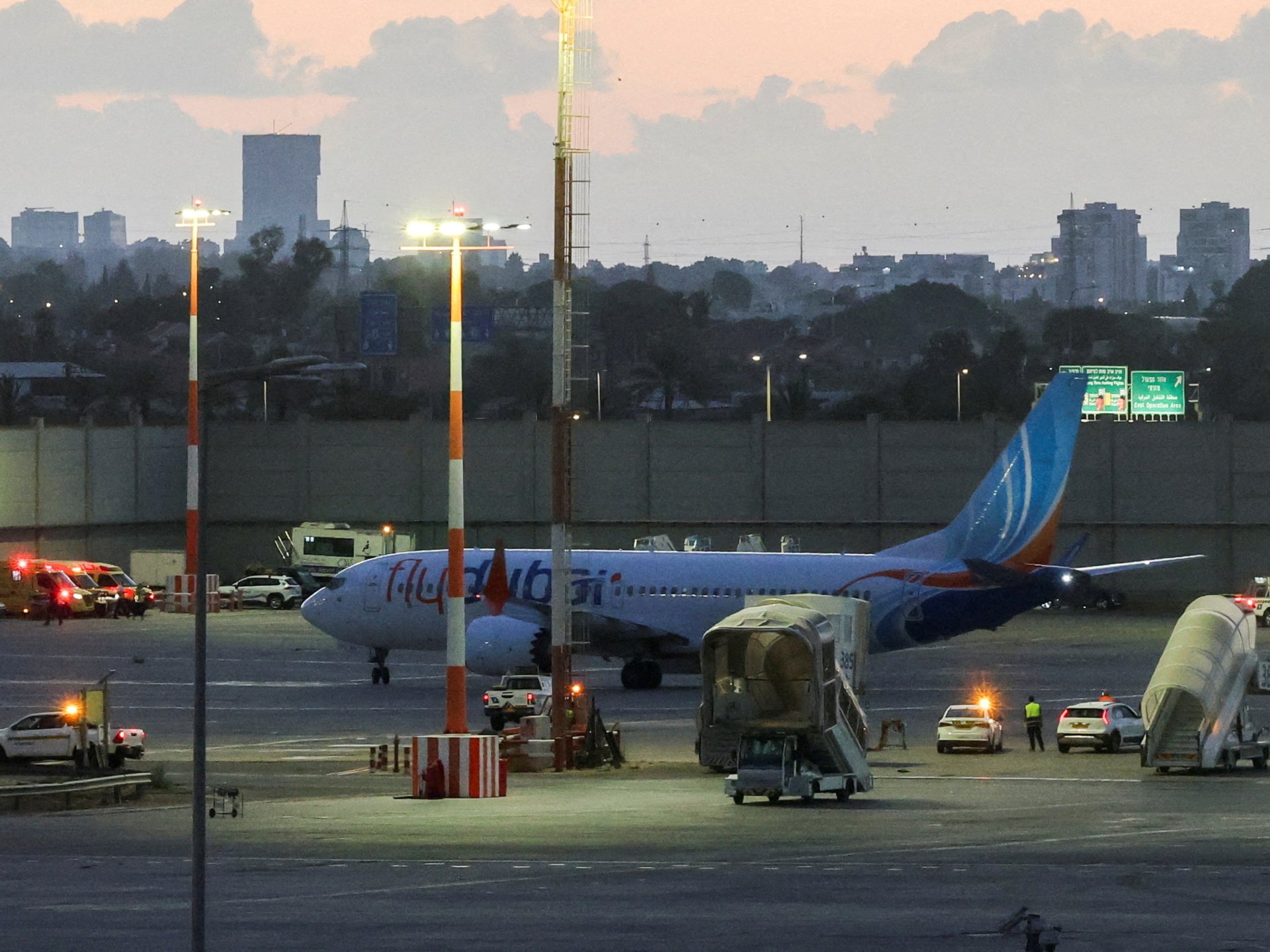
A prominent Melbourne community figure, Samir Mohtadi, has publicly issued an unequivocal refutation regarding alleged links between his organisation and an individual detained in connection with a high-profile security breach aboard a flydubai commercial service. The incident, which triggered rapid onboard containment protocols and an emergency intervention by regional security apparatuses, prompted cross-border scrutiny spanning Australia, South Asia, and the United Arab Emirates.
Mohtadi, associated with a prominent Islamic centre in suburban Melbourne, asserted that neither he nor the institution maintained any operational or doctrinal ties to the individual in question. Law enforcement and intelligence agencies across several jurisdictions have been piecing together the passenger's recent movement history, digital footprint, and ideological background. State actors in Canberra and Abu Dhabi have maintained a cautious diplomatic posture, focusing on intelligence synchronization rather than public recriminations. However, the international nature of the incident highlights the ongoing complexity of counterterrorism vigilance and cross-border extremist tracking within civil aviation frameworks.
Global Trade & Economic Ripples
While the direct operational disruption to flydubai services remained temporary, the strategic repercussions for international commercial transit are substantive. The Gulf region serves as a central global crossroads connecting Asia, Europe, and Africa. Any escalation in perceived threats against regional flag carriers immediately reverberates through aviation insurance premiums, risk underwriting benchmarks, and operational overheads.
Aviation supply chains and transit hubs such as Dubai International Airport rely heavily on seamless high-volume passenger processing. Additional security vetting measures typically translate to longer turnaround times, elevated passenger verification friction, and increased operational costs for airlines operating narrow-body and long-haul international routes. Furthermore, heightened regional risk perceptions threaten secondary travel demand across the Australasia-Middle East corridor, creating subtle headwinds for corporate travel, international air cargo freight, and bilateral commerce between Oceania and the Gulf Cooperation Council economies.
Related Intelligence: Gaza Food Insecurity Worsens Amid Aid Blockades and Heightened Regional Volatility
International Reactions & Diplomatic Stances
Official channels in Canberra emphasized Australia's strict compliance with global civil aviation security standards while reaffirming that federal law enforcement agencies remain in close communication with their counterparts in the United Arab Emirates. Australian security officials indicated that investigations remain active to verify all background connections without drawing premature conclusions.
Multilateral bodies, including the International Civil Aviation Organization (ICAO), reiterated standard guidelines stressing the preservation of rigorous in-flight safety mechanisms and transparent multilateral data exchanges. Meanwhile, civil rights and community advocacy groups in Victoria warned against the premature conflation of individuals with external incidents, cautioning against broader societal stigmatization in the absence of verified judicial evidence.
Strategic Outlook & Future Scenarios
Moving forward, the primary trajectory centers on how regulatory bodies adapt pre-flight passenger profiling and shared watchlist architectures across the Indo-Pacific and Middle Eastern sectors. Bilateral intelligence sharing between Australian federal agencies and Middle Eastern interior ministries is expected to intensify, particularly concerning intermediate-risk transiting travelers.
If investigations uncover broader transnational networks, regional security ministers may push for harmonized screening protocols at upcoming multilateral security summits. Conversely, should the episode prove to be an isolated action by a single actor devoid of broader organizational architecture, diplomatic and aviation operations will likely normalize swiftly. Nonetheless, the incident serves as a stark reminder to civil aviation authorities and sovereign governments that border resilience requires continuous recalibration against evolving asymmetrical security challenges.
Join Our Official WhatsApp Channel
Receive live commodity alerts, policy changes, and commercial intelligence directly on WhatsApp.