
Gaza Food Insecurity Worsens Amid Aid Blockades and Heightened Regional Volatility
Severe food shortages in Gaza leave over 1.4 million people in acute deprivation, compounding regional humanitarian risks and driving broader geopolitical and logistics strains across Middle Eastern corridors.
Geopolitical & Core Developments
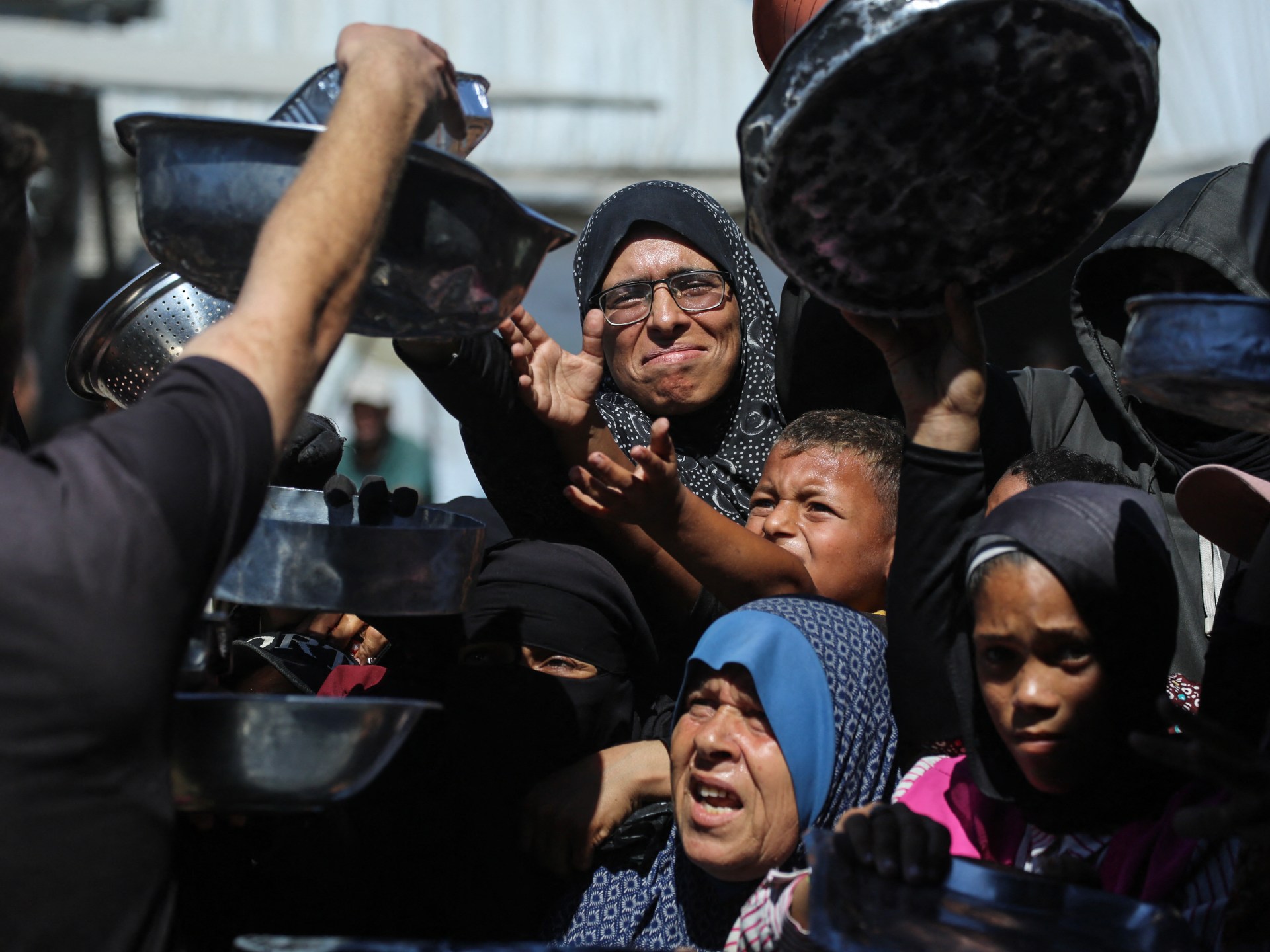
The humanitarian landscape across the Gaza Strip has deteriorated to unprecedented levels, with multilateral agencies reporting that more than 1.4 million individuals face severe deficits in basic caloric intake. Prolonged blockades, combined with administrative delays and disrupted distribution networks, have rendered entry points operating at a fraction of necessary capacity. Displaced families and mothers face day-long queues for sparse food distributions, highlighting the collapse of standard civilian market infrastructure.
The strategic impasse centers on disputed border controls, security inspections, and the degradation of interior transit routes. The ongoing conflict between Israel and Hamas has fundamentally altered regional stability, engaging state actors across the Levant and drawing continuous diplomatic interventions from Washington, Cairo, and Doha. While limited consignments traverse designated crossings, relief organizations emphasize that ad-hoc deliveries fail to offset widespread agricultural collapse and the systemic exhaustion of commercial food reserves within the enclave.
Global Trade & Economic Ripples
The ongoing humanitarian and military crisis in Gaza continues to exert indirect yet significant pressure on broader commercial and trade ecosystems. Maritime logistics in the adjacent Red Sea remain precarious, as regional proxy actions linked to the hostilities compel international container lines and dry-bulk carriers to reroute around the Cape of Good Hope. This prolonged circumnavigation adds 10 to 14 days to standard transit intervals between Asia and Europe, elevating bunker fuel consumption and tightening global freight capacity.
Simultaneously, heightened regional instability sustains an elevated risk premium across international energy benchmarks, keeping Brent crude volatile despite soft global manufacturing demand. Agricultural commodity markets have witnessed localized friction, particularly in North Africa and the Levant, where supply chain reallocations and elevated import costs place additional budgetary pressures on import-reliant economies. War-risk insurance premiums for commercial vessels operating throughout the Eastern Mediterranean and the Red Sea corridor remain high, cascading additional costs onto baseline commodity contracts.
Related Intelligence: Pakistan Warns Afghan Regime Over Cross-Border Militancy and Trade Disruption
International Reactions & Diplomatic Stances
Multilateral bodies have intensified warnings regarding the human and legal ramifications of systemic deprivation. The United Nations and the World Food Programme have reiterated that bureaucratic bottlenecks and active combat render effective logistical coordination nearly impossible, warning that conditions meet critical thresholds for widespread famine. UN officials have repeatedly called for immediate, unhindered access and the opening of multiple land corridors capable of sustaining high-volume commercial transport.
Western governments, including the United States and member states of the European Union, have publicly urged the Israeli government to expand the throughput of essential aid, while simultaneously weighing maritime corridor initiatives and targeted airdrops. Meanwhile, Arab league states and key regional players have condemned the weaponization of essential provisions, warning at the United Nations Security Council that continued inaction undermines foundational international humanitarian law and permanently damages the framework for regional normalization.
Strategic Outlook & Future Scenarios
The near-term trajectory remains heavily dependent on whether diplomatic negotiations can secure sustainable humanitarian pauses and institutionalized distribution mechanisms. Upcoming multilateral summits, including G7 and regional Arab security dialogues, are anticipated to place heavy focus on formalizing humanitarian corridors and drafting preliminary reconstruction mechanisms.
However, persistent operational constraints and regional tensions suggest that commercial vulnerabilities will persist. If border transit points remain severely constrained, international diplomatic pressure on involved actors will likely escalate toward formal resolutions and increased unilateral humanitarian interventions. In the absence of a durable political framework, the crisis threatens to further institutionalize supply route diversions, keeping Middle Eastern maritime transit costs elevated and perpetuating severe socio-economic distress across the region.
Join Our Official WhatsApp Channel
Receive live commodity alerts, policy changes, and commercial intelligence directly on WhatsApp.