
Australia Presses Tech Giants Over Digital Safety and AI Regulation
Australian Prime Minister Anthony Albanese has formally urged Apple CEO Tim Cook to support Canberra's stringent online safety and artificial intelligence regulations, marking a critical test of sovereign regulatory enforcement against multinational tech dominance.
Geopolitical & Core Developments
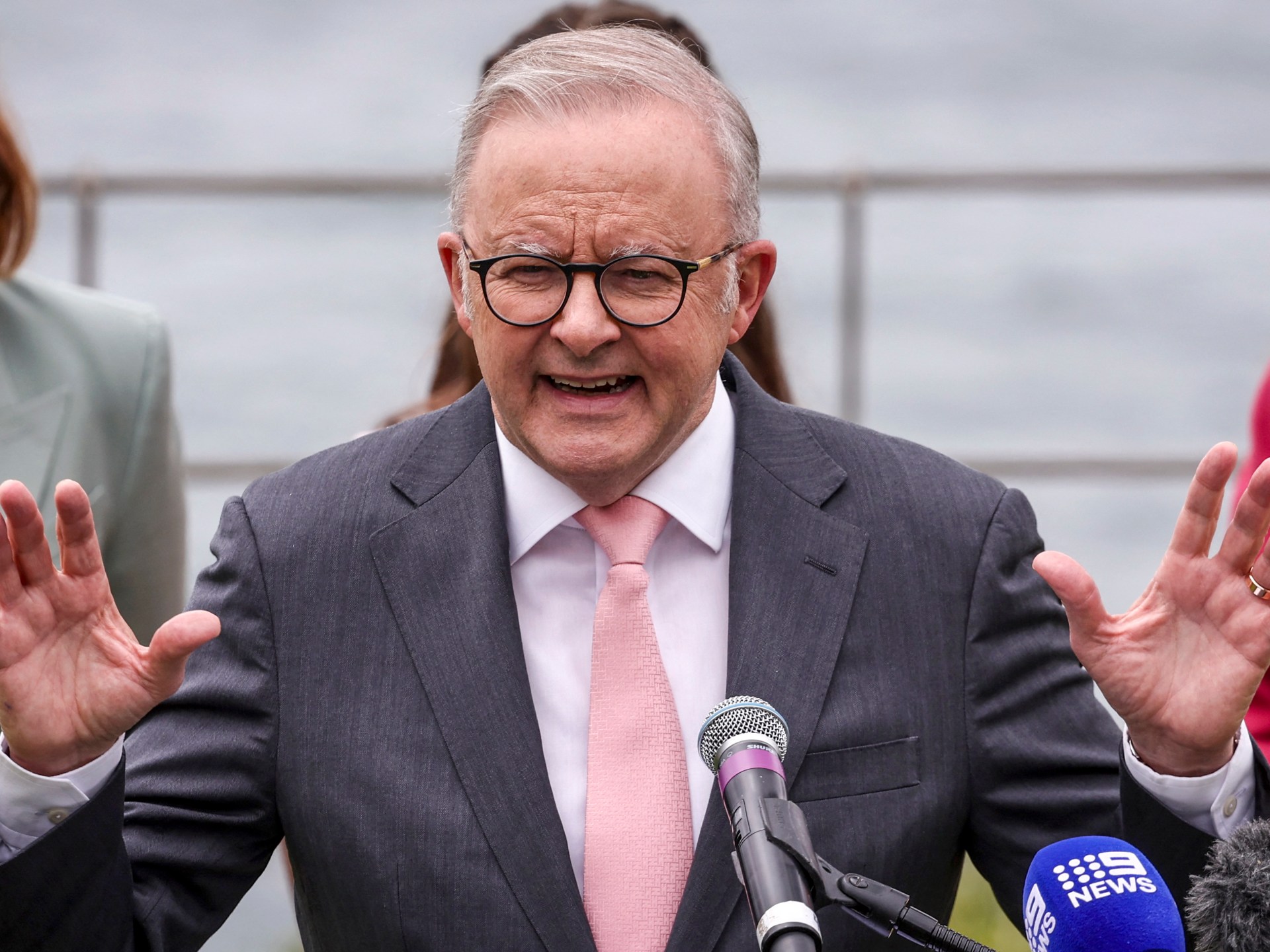
Canberra has intensified its regulatory offensive against transnational technology conglomerates, with Australian Prime Minister Anthony Albanese directly engaging Apple Chief Executive Tim Cook to solicit formal backing for the nation's forthcoming digital safety and artificial intelligence governance regimes. The diplomatic push comes as the Australian federal government advances landmark legislation designed to impose minimum age thresholds—potentially restricting access for users under the age of 16 across major social platforms—alongside heightened platform liabilities for algorithmic harms and generative AI outputs. Albanese's direct engagement with Silicon Valley leadership underscores a calculated strategic doctrine: compelling top-tier consumer technology providers to bake regulatory compliance into native operating systems and ecosystem hardware rather than relying solely on disparate platform-level moderation. By positioning Australia at the vanguard of digital public safety, Canberra is seeking to replicate the precedent established by its 2021 News Media Bargaining Code, which successfully extracted commercial concessions from global platforms through assertive legislative pressure.
Global Trade & Economic Ripples
The commercial and trade ramifications of Australia's legislative trajectory extend far beyond domestic jurisdiction, presenting structural frictions for cross-border digital commerce and multinational capital allocation. If hardware-level age verification and algorithmic auditing become mandatory within the Australian market, consumer electronics manufacturers and cloud infrastructure operators face non-trivial compliance engineering costs. Tech conglomerates, already navigating divergent compliance regimes between the European Union's Digital Services Act, the EU AI Act, and domestic United States statutory ambiguity, confront increasing fragmentation of the global digital single market. Furthermore, heightened regulatory overhead threatens to compress operating margins for software vendors and advertising-driven digital networks, cooling regional venture capital deployment and digital infrastructure investments. While device manufacturers such as Apple maintain robust enterprise balance sheets capable of absorbing localized compliance friction, smaller market entrants risk exclusion, potentially concentrating market share among entrenched incumbents while creating minor trade frictions within bilateral services agreements under the Australia-United States Free Trade Agreement.
Related Intelligence: Gaza Tech Infrastructure Collapse Threatens Digital Economy and Regional Workforce
International Reactions & Diplomatic Stances
The diplomatic reception to Australia's regulatory campaign highlights deep-seated tensions between state sovereignty and transnational platform autonomy. While European regulators and child protection advocacy groups have welcomed Canberra's assertive intervention as complementary to Brussels' own regulatory architecture, industry lobbying groups—including the Digital Industry Group Inc. and various Silicon Valley-backed trade coalitions—have voiced significant reservations. Corporate representatives argue that blanket bans and mandatory operating-system-level surveillance risk degrading end-to-end encryption protocols, compromising user privacy, and establishing dangerous precedents for state-mandated digital identification. Within multilateral forums such as the OECD and the United Nations Tech Envoy's office, Canberra's measures are being closely evaluated as an operational case study in whether sovereign democracies can establish enforceable boundaries on algorithmic content delivery without triggering diplomatic backlash from Washington, which historically scrutinizes extraterritorial tech regulations that disparately affect American enterprise champions.
Strategic Outlook & Future Scenarios
Looking ahead, the operational realization of Canberra's digital safety agenda will serve as an influential bellwether for wider international governance. If Australia successfully executes its platform restrictions with technical cooperation from hardware leaders like Apple, peer nations within the Five Eyes intelligence alliance and the broader Commonwealth are anticipated to introduce parallel legislative instruments. Conversely, resistance from tech executives could trigger punitive enforcement actions, including multi-million-dollar statutory fines or market access limitations, potentially testing the limits of state leverage over globally integrated digital ecosystems. The impending debate will figure prominently in upcoming multilateral technology discussions, including the next iterations of the AI Safety Summit and G7 digital ministerial tracks. As sovereign states progressively abandon self-regulatory doctrines in favor of prescriptive legislative enforcement, the global digital economy faces an inevitable transition toward a multipolar, legally partitioned operating environment where compliance defines market viability.
Join Our Official WhatsApp Channel
Receive live commodity alerts, policy changes, and commercial intelligence directly on WhatsApp.