
Arundhati Roy Critiques Modi Administration Amid Gen Z Protests
Acclaimed author Arundhati Roy challenges Prime Minister Narendra Modi's political image amid mounting domestic protests and allegations of electoral irregularities.
Geopolitical & Core Developments
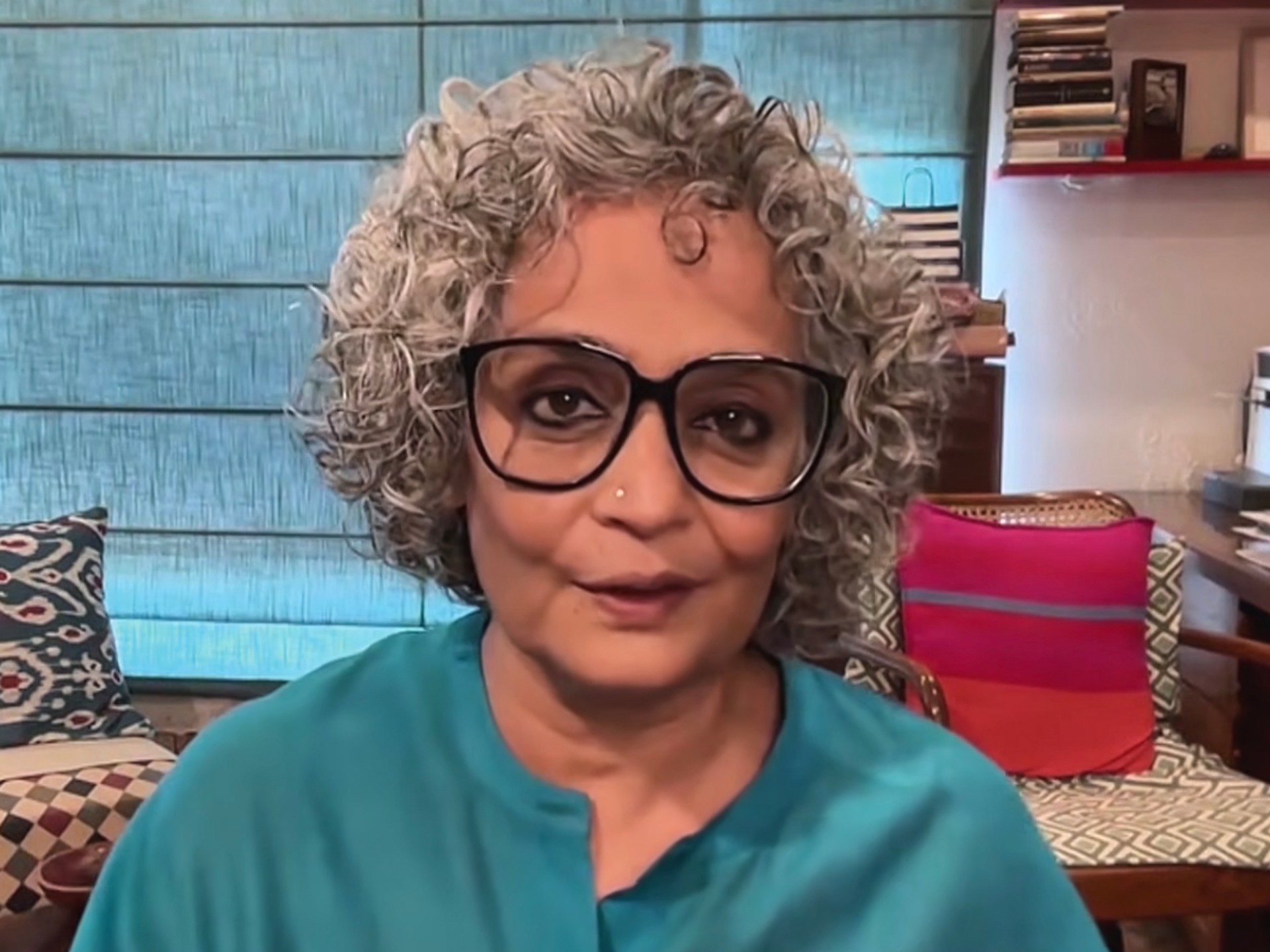
Recent statements by acclaimed Indian author Arundhati Roy in an interview with Al Jazeera have reignited global scrutiny over the political trajectory of Prime Minister Narendra Modi's administration. Roy sharply criticized what she termed the carefully confected image of the current Indian leadership, drawing attention to emerging Gen Z-led domestic protests and persistent allegations of vote theft. These developments unfold against a backdrop of increasing centralization of state power, intensifying political polarization, and rising civil society resistance across major urban centers in India.
The friction between grassroots civic movements and state apparatuses highlights a critical juncture for the world's largest democracy. As younger demographics mobilize through digital networks and decentralized protests, traditional political structures face unprecedented challenges. International observers note that while the ruling Bharatiya Janata Party maintains significant electoral machinery, the narrative of unchallenged hegemony is encountering robust pushback from intellectuals, student bodies, and marginalized communities demanding greater institutional transparency and democratic accountability.
Global Trade & Economic Ripples
India occupies a pivotal position in international supply chains, energy markets, and agricultural trade. Domestic political instability and governance concerns carry direct implications for global commercial partners and foreign institutional investors. Financial markets closely monitor regulatory consistency, labor reforms, and infrastructural continuity. Any prolonged social unrest or political uncertainty risks dampening foreign direct investment inflows, which are vital for sustaining India's ambitious manufacturing and green energy transitions.
Furthermore, shifts in domestic policy priorities driven by populist pressures can influence international trade negotiations, tariff structures, and bilateral commercial pacts. Global commodity traders tracking agricultural exports, metals, and tech services remain vigilant, as internal political volatility frequently translates into sudden regulatory pivots, export restrictions, or currency fluctuations that ripple across South Asian and global markets.
Related Intelligence: French School Protests Spark Economic and Political Volatility
International Reactions & Diplomatic Stances
Multilateral institutions and foreign capitals have observed the evolving domestic landscape in India with diplomatic caution. While Western nations view New Delhi as an indispensable strategic counterweight in the Indo-Pacific region, human rights organizations and international legal bodies have repeatedly expressed concern over shrinking civic spaces and the treatment of political dissidents.
Global market analysts emphasize that international investors continuously balance geopolitical alignment against domestic governance risks. Diplomatic engagements by the United States, European Union member states, and regional partners increasingly navigate a delicate dual track: fostering robust security and technological partnerships while quietly urging adherence to democratic norms, institutional independence, and freedom of expression.
Strategic Outlook & Future Scenarios
Looking ahead, the political landscape in India is poised for heightened friction as upcoming electoral cycles approach and opposition groups attempt to consolidate anti-incumbency sentiment. The ability of the Modi administration to manage domestic dissent while sustaining economic growth will determine its long-term strategic credibility.
Key escalation points include upcoming state elections, judicial rulings on electoral transparency, and the continued mobilization of youth-led movements. For international commerce and diplomacy, navigating this transitional phase requires maintaining agile risk-assessment frameworks capable of adapting to sudden political shifts in South Asia's dominant economic engine.
Join Our Official WhatsApp Channel
Receive live commodity alerts, policy changes, and commercial intelligence directly on WhatsApp.