
Trump Extends G20 Invite to Putin, Igniting Global Trade and Diplomatic Debate
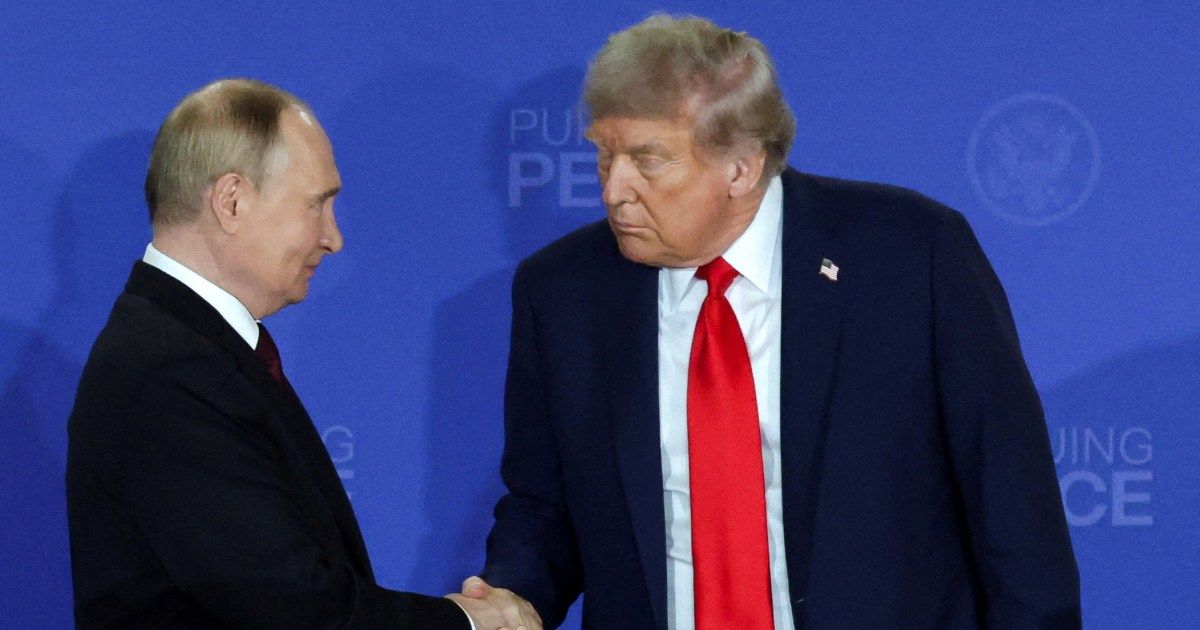
Washington extends an invitation to Russian President Vladimir Putin for the Miami G20 summit, sparking intense debate across international trade, energy markets, and diplomatic corridors.
Geopolitical & Core Developments
In a dramatic pivot for Western foreign policy, US Secretary of State Marco Rubio confirmed that the White House has formally invited Russian President Vladimir Putin to attend the upcoming G20 summit in Miami. Speaking to diplomatic correspondents, Rubio framed the invitation as a pragmatic 'opportunity' for the Russian leader to engage directly with global counterparts, breaking years of intense diplomatic isolation enforced by Western capitals following the escalation of the conflict in Ukraine. The announcement marks a critical juncture in transatlantic relations, testing the cohesion of Western alliances and signaling a return to transactional great-power diplomacy. The decision to host the summit on US soil while extending a seat to a leader under active international scrutiny underscores a recalibration of Washington's foreign policy priorities, shifting from total diplomatic ostracization toward direct, high-stakes negotiation.
Global Trade & Economic Ripples
Commodity markets and international trade networks reacted swiftly to the diplomatic overture, sensing potential shifts in sanctions architecture and global energy flows. For over two years, international trade in Russian crude oil, refined petroleum products, and critical industrial minerals has been heavily disrupted by Western embargoes, price caps, and re-routed shipping lanes. An easing of diplomatic tensions could pave the way for a gradual unwinding of stringent sanctions regimes, directly impacting global energy pricing benchmarks such as Brent and Urals crude. Energy analysts note that any credible pathway toward reintegrating Moscow into formal economic forums could reduce risk premiums embedded in global freight rates, stabilize liquefied natural gas (LNG) delivery costs across Europe, and normalize supply chains for vital agricultural commodities, including wheat and fertilizers, which remain vulnerable to geopolitical volatility.
Related Intelligence: US Media Outlets Demand Urgent Court Action Over White House Access Dispute
International Reactions & Diplomatic Stances
The invitation has triggered a complex array of reactions across multilateral institutions and allied capitals. European Union officials expressed cautious concern behind closed doors, emphasizing the necessity of maintaining a unified front on sanctions and accountability until a lasting peace is secured in Eastern Europe. Meanwhile, emerging market economies within the G20, particularly across parts of Latin America, Asia, and the Middle East, welcomed the move as a long-overdue step toward restoring multilateral dialogue and addressing global economic fragmentation. United Nations trade bodies highlighted the necessity of inclusive economic forums to mitigate escalating food and energy insecurity across the Global South, pointing out that polarization within the G20 has severely hampered coordinated responses to global inflation and debt distress.
Strategic Outlook & Future Scenarios
As preparations for the Miami summit accelerate, the global economic and security architecture stands at a critical crossroads. The coming months will test whether this diplomatic overture can yield tangible concessions on regional security and trade stabilization or whether it will deepen divisions among traditional Western allies. Market strategists are advising multinational corporations to monitor regulatory compliance shifts closely, anticipating heightened volatility in currency values, sovereign debt instruments, and commodity futures. Ultimately, the success or failure of the Miami G20 will serve as a bellwether for the future of multilateralism, determining whether economic pragmatism can successfully navigate deeply entrenched geopolitical fault lines.
Join Our Official WhatsApp Channel
Receive live commodity alerts, policy changes, and commercial intelligence directly on WhatsApp.