
Algeria Imposes Death Penalty for Arson Following Devastating Wildfires
Algeria has introduced the death penalty for arsonists after catastrophic summer wildfires killed over 200 people, prompting strict new security measures across vital North African commodity and energy export zones.
Geopolitical & Core Developments
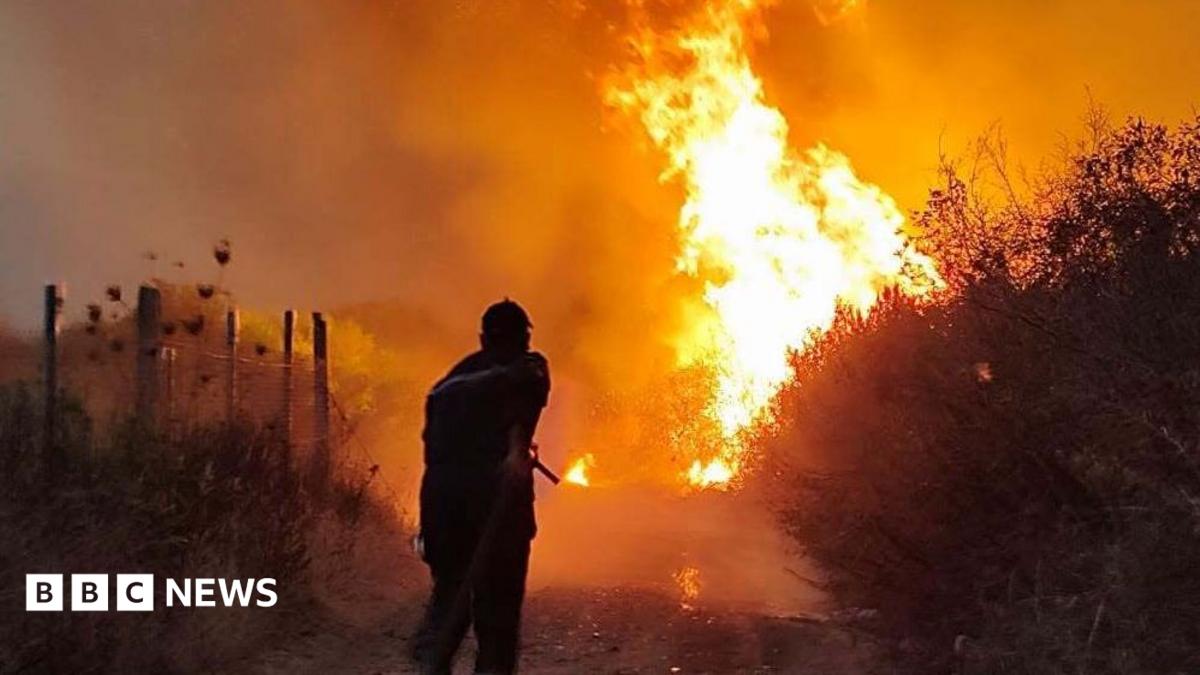
Algiers has formally enacted sweeping legislative amendments introducing capital punishment for intentional arson, a direct response to a catastrophic summer season that saw over 200 fatalities across the country's northeast. The devastating blazes, which ravaged vast swathes of forested terrain and agricultural acreage, overwhelmed local civil protection infrastructure and forced the state to deploy military assets for containment and evacuation operations. Algerian authorities characterized numerous fires as acts of deliberate sabotage orchestrated by domestic fringe groups and external actors seeking to destabilize national security.
The legislative shift marks a dramatic hardening of domestic policy. By categorizing destructive arson alongside acts of terrorism, the state aims to deter ecological sabotage through the ultimate legal sanction. The deployment of the military and the rapid judicial processing of suspected arsonists highlight the administration's determination to project authority and safeguard national infrastructure against asymmetric threats.
Global Trade & Economic Ripples
While the primary driver of the legislative overhaul is domestic security and environmental protection, the geopolitical and economic ramifications extend well beyond Algeria's borders. Algeria is a critical pillar of the Mediterranean energy matrix, serving as a primary natural gas supplier to Southern Europe through strategic pipelines such as Medgaz and Transmed, alongside substantial liquefied natural gas export terminals. The recurrent vulnerability of rural and coastal infrastructure to environmental disasters directly threatens upstream supply chain stability.
Furthermore, the northeastern regions affected by the fires are vital for regional agricultural output and commercial transit corridors. Disruptions to transport networks and localized power grids have immediate downstream effects on regional trade flows, driving up domestic insurance premiums and compelling the state to allocate emergency capital away from infrastructure modernization toward disaster recovery and border-forest surveillance. Global commodity markets, particularly European gas buyers increasingly reliant on North African alternatives to Russian hydrocarbons, monitor these security and stability measures closely to ensure uninterrupted supply continuity.
Related Intelligence: French Student Protests Trigger Crisis Meetings and Commercial Uncertainty
International Reactions & Diplomatic Stances
International response to Algiers' new legislative stance has been mixed, reflecting a tension between sovereign security imperatives and universal human rights standards. Multilateral bodies and legal watchdogs, including various United Nations human rights agencies, have reiterated longstanding institutional opposition to the death penalty, urging the Algerian government to reconsider capital punishment even in cases of severe ecological destruction.
Conversely, regional trade partners and Mediterranean security allies have offered tacit acknowledgment of Algiers' security challenges, emphasizing the existential threat posed by climate-induced mega-fires. Diplomatic discussions within the Arab League and the European Union have increasingly focused on collaborative climate resilience frameworks, early-warning technology sharing, and joint emergency response protocols to mitigate future crises without relying exclusively on punitive penal measures.
Strategic Outlook & Future Scenarios
Looking ahead, Algeria's hardline stance on arson will serve as a bellwether for how climate vulnerability intersects with national security doctrine across North Africa and the wider Mediterranean. As rising global temperatures exacerbate drought conditions and elevate wildfire risks, governments face mounting pressure to protect critical infrastructure and civilian populations.
Upcoming bilateral summits between Algiers and European energy importers are expected to incorporate enhanced climate security cooperation, focusing on satellite monitoring, forest management technology, and grid hardening. However, unless the state successfully balances deterrence-based penal policies with comprehensive climate adaptation strategies and economic support for vulnerable rural communities, the underlying socioeconomic drivers of localized unrest and environmental degradation will persist, posing lingering risks to regional stability and international trade corridors.
Join Our Official WhatsApp Channel
Receive live commodity alerts, policy changes, and commercial intelligence directly on WhatsApp.