
DR Congo Condemns Formula 1 Plans for Rwanda Grand Prix
The Democratic Republic of Congo has strongly denounced Formula 1's preliminary decision to stage a Grand Prix in Rwanda, warning the event sportswashes ongoing conflict and illegal mineral exploitation in eastern Congo.
Geopolitical & Core Developments
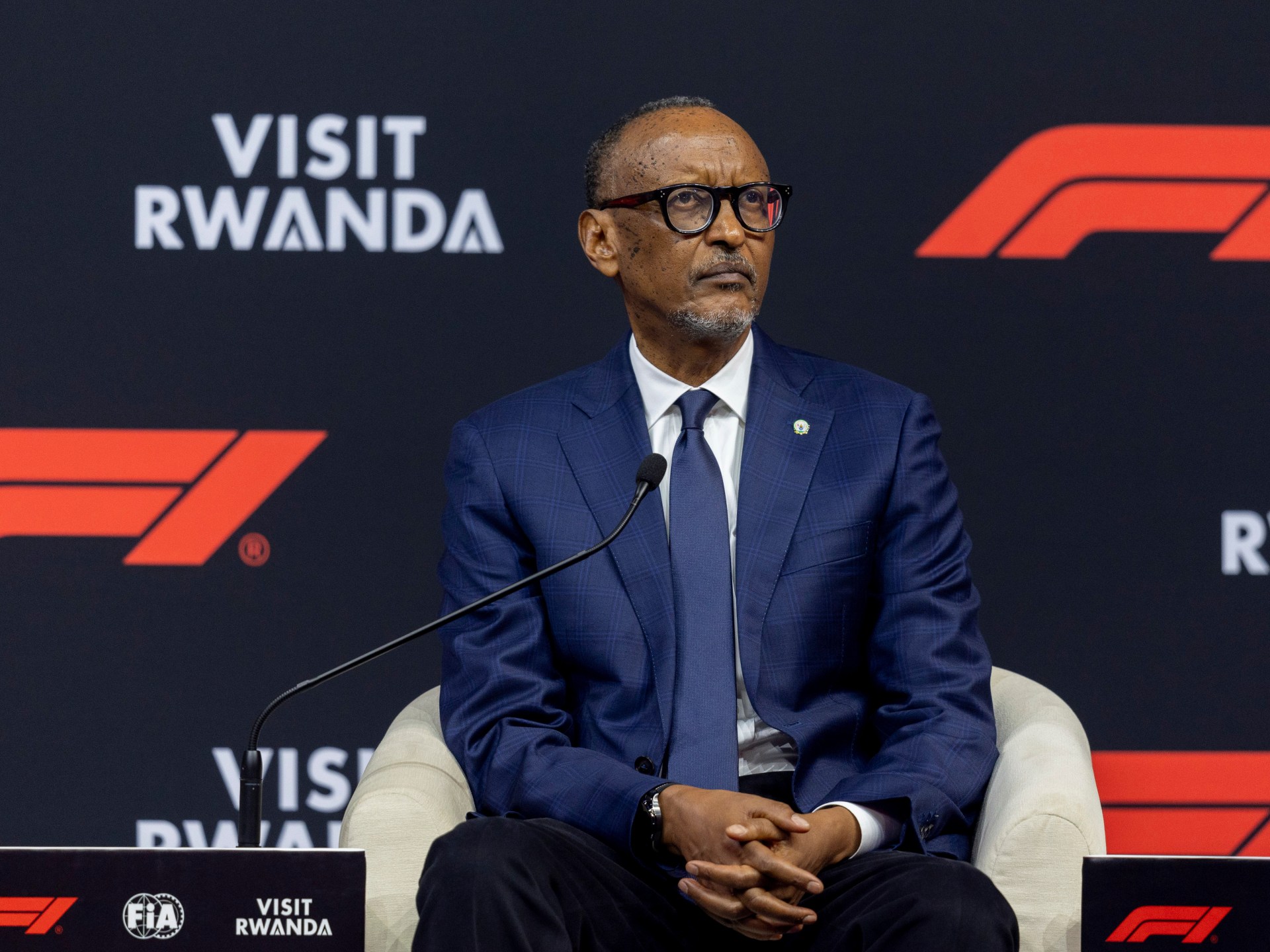
The Democratic Republic of Congo (DRC) has lodged a formal and scathing diplomatic protest against Formula One Management over its advanced negotiations to host an official Grand Prix in Rwanda. The initiative, spearheaded by Formula 1 Chief Executive Stefano Domenicali, would mark the prestigious motorsport series' first return to the African continent since the 1993 South African Grand Prix at Kyalami. However, the choice of Kigali as the premier venue has triggered severe geopolitical blowback in Central Africa.
Kinshasa has branded the prospective contract "indefensible" and "morally repugnant," citing Kigali's documented involvement in the protracted armed conflict in the DRC's mineral-rich eastern provinces. United Nations group-of-experts reports and Western intelligence assessments have repeatedly documented Rwanda's military and logistical backing of the March 23 Movement (M23) rebel coalition. The ongoing clashes have displaced over seven million people and triggered an acute humanitarian catastrophe. Congolese authorities argue that staging a multi-billion-dollar global sporting franchise in Kigali provides state-sponsored public relations cover for aggression and sovereign border violations.
Global Trade & Economic Ripples
The dispute directly intersects with international commerce, particularly the volatile supply chains for critical energy-transition minerals. The Great Lakes corridor represents the planetary nexus for columbite-tantalite (coltan), tantalum, tin, tungsten, and high-grade cobalt. Kinshasa contends that revenues underpinning Rwanda's state-backed infrastructure projects, including high-profile sports sponsorships, are augmented by the illicit cross-border smuggling of untraced Congolese natural resources.
Automotive manufacturers backing Formula 1 teams—such as Mercedes-Benz, Ferrari, and Renault—face increasing regulatory pressure under the European Union Critical Raw Materials Act and US Dodd-Frank conflict mineral rules. Sponsoring or competing in a jurisdiction accused of laundering conflict minerals presents major compliance and ESG (Environmental, Social, and Governance) liabilities. Heightened geopolitical instability along the Northern and Central transport corridors running to East African ports could further disrupt freight insurance rates and logistics for multinational technology and electric vehicle supply chains reliant on verified extraction pathways.
International Reactions & Diplomatic Stances
Congolese Minister of Communication and Government Spokesperson Patrick Muyaya stated that hosting the elite racing circuit in Rwanda directly ignores the plight of millions of war victims and serves as an instrument of sportswashing. Kinshasa has appealed directly to Western governments, corporate sponsors, and the Fédération Internationale de l'Automobile (FIA) ethics commission to halt the project.
In response, Rwandan government officials rejected the allegations, emphasizing that the Grand Prix bid represents an economic diversification milestone that will boost regional tourism, commercial aviation, and foreign direct investment. Formula 1 executives defended the discussions, highlighting Rwanda's state-of-the-art convention infrastructure and arguing that sport possesses a unique mandate to bridge geopolitical divides and foster economic modernization across emerging markets.
International human rights watchdogs, including Human Rights Watch and Amnesty International, have urged F1 corporate partners to conduct mandatory human rights due diligence before executing commercial commitments, cautioning against political normalization during active armed hostilities.
Strategic Outlook & Future Scenarios
The trajectory of the Rwandan Grand Prix will serve as a bellwether for corporate accountability and geopolitical risk assessment in international sports administration. If Formula 1 ratifies the multi-year deal, Kinshasa is anticipated to escalate diplomatic retaliations, potentially challenging the partnership through multilateral forums such as the African Union and the Southern African Development Community (SADC).
Furthermore, Western allies including the United States, France, and the United Kingdom—who have already imposed targeted sanctions on several M23 leaders and Rwandan military figures—may face intensified legislative pressure to condition commercial ties with Kigali. The ultimate decision will test whether Formula One Management prioritizes frontier market expansion or bows to legal and ethical headwinds stemming from one of the world's most protracted resource conflicts.
Join Our Official WhatsApp Channel
Receive live commodity alerts, policy changes, and commercial intelligence directly on WhatsApp.