
Sudan Rejects Ceasefire As Conflict Broadens Commercial Risks
Sudan's military leader has abandoned peace talks for total military victory, exacerbating regional humanitarian crises and threatening vital Red Sea trade corridors.
Geopolitical & Core Developments
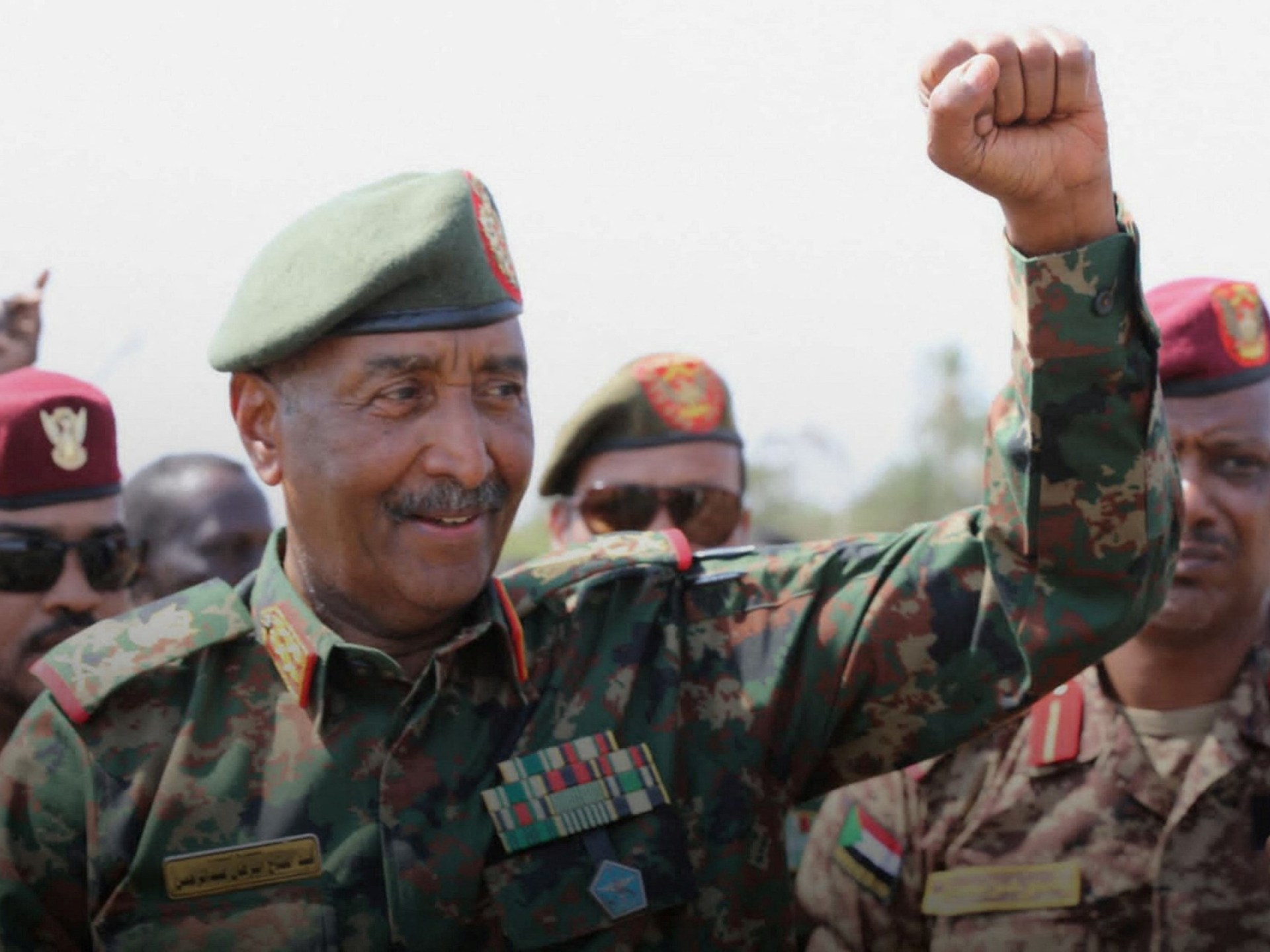
Sudan's civil conflict reached a critical inflexion point on Tuesday as General Abdel Fattah al-Burhan, leader of the Sudanese Armed Forces (SAF), formally rejected ongoing peace negotiations and vowed to retake all territory controlled by the paramilitary Rapid Support Forces (RSF). Speaking from military command centers, al-Burhan asserted that a negotiated settlement is no longer viable against an adversary he characterizes as an existential threat to the Sudanese state. This hardline stance effectively closes the door on regional mediation efforts led by the Intergovernmental Authority on Development (IGAD) and international diplomatic partners.
The military hardening of positions materialized immediately on the ground, with clashes expanding significantly across multiple provinces. In West Kordofan, intense artillery exchanges and ground engagements resulted in the deaths of at least ten civilians, while over 5,500 individuals were newly displaced in the Blue Nile region. The widening operational theater demonstrates that neither faction is currently willing to cede strategic depth, transforming the protracted conflict into a grinding war of attrition across Sudan's critical agricultural and logistical heartlands.
Global Trade & Economic Ripples
Beyond the devastating humanitarian toll, the escalation in Sudan carries profound implications for global commodity markets and strategic trade lanes. Sudan occupies a vital geopolitical nexus bordering the Red Sea, one of the world's most critical maritime corridors for international shipping and energy transit. Prolonged instability in the country exacerbates security vulnerabilities along the western approaches to the Red Sea, compounding freight insurance premiums and complicating maritime logistics connecting the Suez Canal to the Indian Ocean.
Furthermore, Sudan is a significant regional producer of key agricultural commodities, including gum arabic—crucial for global food and beverage manufacturing—as well as sesame and livestock. The relentless fighting has severely disrupted planting cycles, domestic transport networks, and port access at Port Sudan. This paralysis of domestic commerce feeds inflationary pressures across East Africa and deprives international markets of vital supply inputs, forcing global buyers to seek costly alternatives amid broader macroeconomic uncertainties.
Related Intelligence: Yemeni Forces Launch Major Taiz Offensive to Seize Strategic Red Sea Port
International Reactions & Diplomatic Stances
The international community has expressed profound alarm over al-Burhan's rejection of talks and the deteriorating humanitarian situation. United Nations officials reiterated warnings that the expanding conflict risks plunging millions into acute food insecurity and displacing vulnerable populations across international borders into fragile neighboring states. Western capitals have urged an immediate cessation of hostilities, emphasizing that a military solution is illusory and will only fracture the country permanently.
Meanwhile, regional bodies face mounting diplomatic friction as consensus on resolving the crisis fractures. Market analysts warn that the absence of a unified international pressure mechanism allows both the SAF and the RSF to sustain military procurement through illicit channels. Economic monitors are increasingly factoring prolonged instability into risk assessments for the Horn of Africa, depressing foreign direct investment and stalling multilateral infrastructure projects designed to integrate East African trade networks.
Strategic Outlook & Future Scenarios
Looking ahead, the trajectory of the Sudanese conflict points toward deeper militarization and prolonged fragmentation. With the SAF committed to an offensive posture and the RSF entrenched in urban strongholds, the probability of a decisive military breakthrough by either side remains low. Instead, analysts anticipate a protracted stalemate characterized by asymmetric warfare, localized atrocities, and progressive state collapse.
Upcoming diplomatic summits hosted by the African Union and international partners will likely focus on enforcing targeted financial sanctions against leadership networks and tightening arms embargoes. However, without a fundamental shift in the calculus of the warring generals, regional commerce will remain hostage to persistent violence, permanently altering trade dynamics and humanitarian stability in Northeast Africa.
Join Our Official WhatsApp Channel
Receive live commodity alerts, policy changes, and commercial intelligence directly on WhatsApp.