
Yemeni Forces Advance Against Houthis Amid Escalating Regional Tensions
Saudi-backed Yemeni forces report major advances and heavy Houthi casualties, raising concerns over Red Sea security and global commodity flows.
Geopolitical & Core Developments
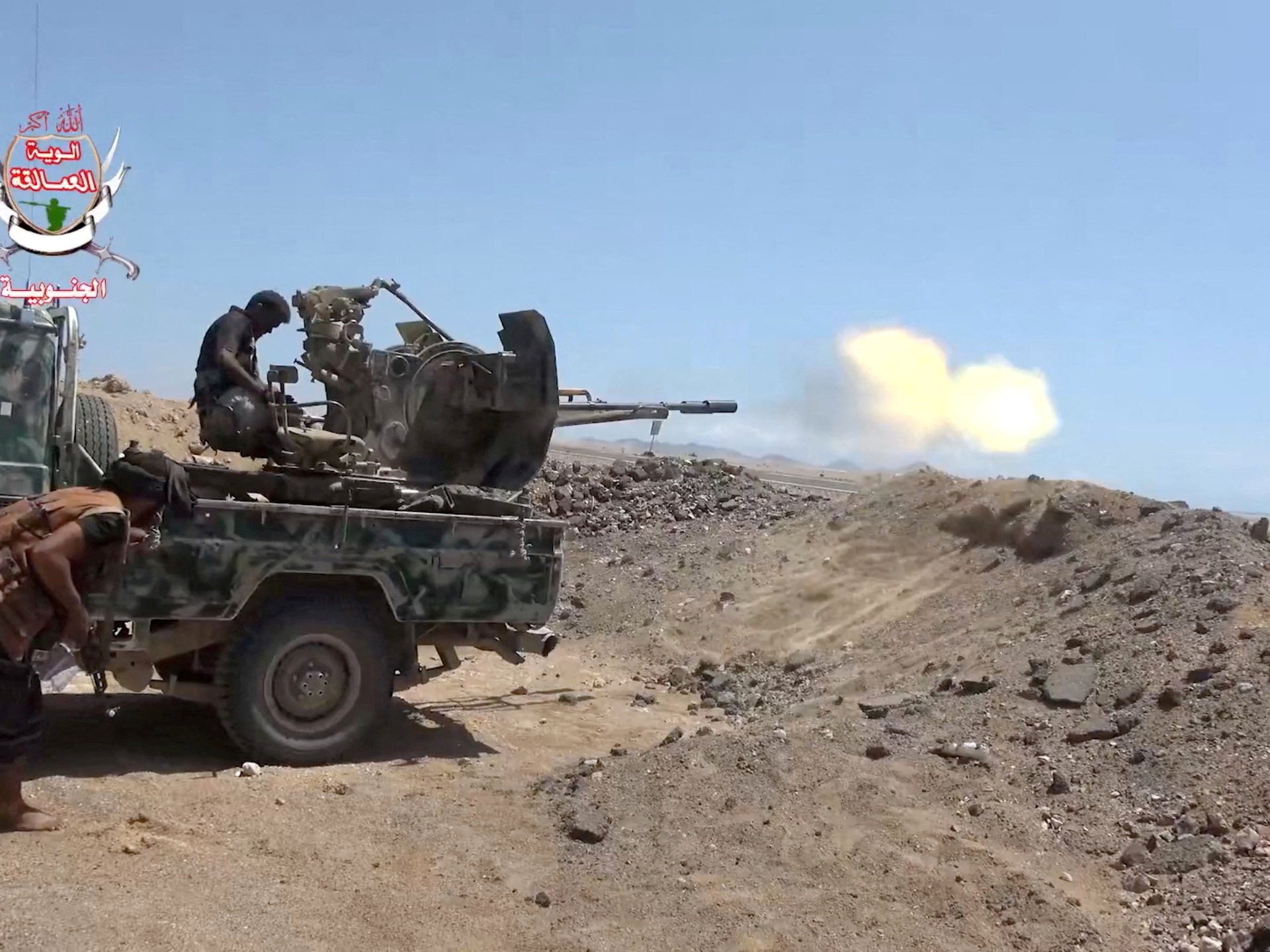
Recent military escalations in Yemen have marked a significant shift in the protracted multi-year conflict, as Saudi-backed government forces launch coordinated offensives against Iran-aligned Houthi positions. According to official military statements released by the Yemeni government, approximately 1,150 Houthi combatants have been neutralized in intense operations over a compressed 24-hour window. This sudden surge in kinetic activity shatters months of fragile, UN-brokered de-escalation frameworks and underscores the persistent volatility plaguing the Arabian Peninsula. The renewed ground offensives are strategically concentrated around critical contested provinces, where government battalions seek to sever vital Houthi supply lines and reclaim strategic high ground. State actors and regional observers note that the offensive reflects a calculated effort by the coalition to alter the military balance on the ground before any resumption of formal peace negotiations. The involvement of regional heavyweights highlights the proxy nature of the conflict, with Tehran continuing to face international scrutiny over its material support for the Houthi movement. As ground troops press further into insurgent-held territory, the risk of a protracted urban warfare campaign grows, threatening to inflict severe humanitarian strains on local civilian populations while hardening political divisions across the fractured state.
Global Trade & Economic Ripples
The intensification of hostilities in Yemen carries profound implications for global commerce, energy markets, and international maritime logistics. Proximity to the Bab el-Mandeb strait—a vital maritime chokepoint through which a substantial percentage of global container traffic and crude oil transits—places these military developments directly in the crosshairs of international trade stability. Commodity markets have reacted with heightened nervousness, pricing in potential disruptions to petroleum and liquefied natural gas (LNG) shipments bound for European and Asian refiners. Shipping conglomerates are actively reassessing risk matrices, with some carriers contemplating temporary rerouting around the Cape of Good Hope to mitigate potential Houthi retaliatory strikes against commercial vessels. Such maritime deviations inevitably inflate transit times, elevate freight rates, and compound inflationary pressures across global supply chains. Furthermore, insurance underwriters have begun adjusting war-risk premiums for vessels navigating the southern Red Sea and the Gulf of Aden, directly impacting operational expenditures for multinational shipping lines and ultimately raising end-consumer prices for imported goods.
Related Intelligence: Hurricane Simon Threatens Mexican Coast and Global Supply Chains
International Reactions & Diplomatic Stances
Multilateral institutions and global capitals have responded to the latest escalation with urgent appeals for restraint and renewed diplomatic engagement. The United Nations Security Council convened emergency consultations to address the breakdown of the cessation of hostilities, with special envoys warning that renewed military action could permanently derail fragile peace initiatives. European Union foreign policy representatives expressed deep concern over the safety of international shipping lanes, urging all warring parties to respect international humanitarian law and guarantee the unimpeded flow of commercial cargo. Meanwhile, regional powers have issued contrasting statements; while coalition partners signal unwavering support for the internationally recognized Yemeni government, independent analysts caution that military solutions alone remain elusive. Global energy watchdogs and trade federations have called for enhanced naval patrols and intelligence-sharing mechanisms to safeguard mercantile vessels operating in the volatile corridor, emphasizing that global economic stability hinges on secure maritime corridors.
Strategic Outlook & Future Scenarios
Looking ahead, the trajectory of the Yemeni conflict will likely pivot on the sustainability of the government's current military momentum and the nature of the Houthi counter-response. If Saudi-backed forces succeed in dislodging insurgents from key logistical hubs, the strategic balance could shift decisively, compelling the Houthi leadership back to the negotiating table under weaker auspices. Conversely, a protracted stalemate or successful insurgent counter-offensive risks precipitating a wider regional conflagration, drawing in external state actors and exacerbating commercial insecurity. Upcoming diplomatic summits and ministerial meetings will focus heavily on reviving multilateral dialogue and establishing robust de-escalation protocols. Additionally, policymakers are monitoring the potential deployment of targeted economic sanctions and asset freezes against key insurgent commanders and financial facilitators. Ultimately, safeguarding global supply chains and restoring calm to the Arabian Peninsula will demand an intricate combination of decisive military deterrence, sustained humanitarian aid delivery, and tenacious, back-channel diplomacy.
Join Our Official WhatsApp Channel
Receive live commodity alerts, policy changes, and commercial intelligence directly on WhatsApp.