
World Bank Urges Swift Execution of $20bn Pakistan Reform Agenda
The World Bank has pressed Islamabad to fast-track its $20 billion reform package, emphasizing tax harmonization and regulatory removal to spur growth.
The Core Development
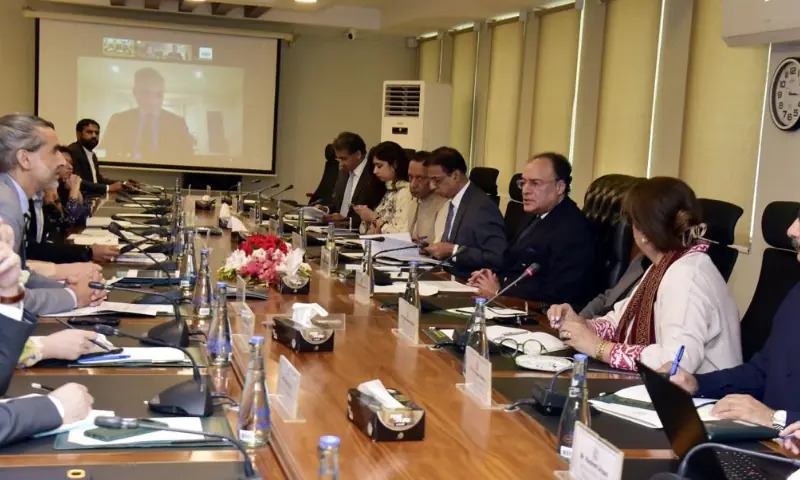
The World Bank has formally called upon the federal government to accelerate the implementation of crucial policy actions tied to its $20 billion economic reform partnership. The framework, designed to cover a ten-year horizon from 2025 to 2035, utilizes a blended financing model encompassing both concessionary and commercial lending facilities. During a high-level review meeting in Islamabad, a World Bank delegation led by Country Director Bolormaa Amgaabazar engaged with Finance Minister Muhammad Aurangzeb to evaluate progress on the agreed structural benchmarks.
The discussions centered on critical administrative and fiscal interventions, notably the harmonization of general sales tax, the restructuring of provincial agriculture income taxes, and the comprehensive overhaul of property taxation regimes. Furthermore, the lender stressed the immediate necessity of removing persistent regulatory constraints to foster a more predictable environment for trade and investment facilitation.
Commercial & Economic Implications
For Pakistan's domestic markets, retail networks, and wholesale distribution channels, the strict execution of these structural reforms carries profound economic consequences. Harmonizing sales tax across federal and provincial jurisdictions is expected to streamline compliance costs for businesses, reducing the administrative burden that has historically plagued small and medium enterprises. However, the expansion of the tax net into previously sheltered sectors, such as agriculture and urban real estate, introduces short-term cost adjustments that will likely ripple through supply chains.
As provincial governments align their tax collection frameworks with international standards, commercial actors should anticipate tighter enforcement, which may exert upward pressure on input prices in the near term. Conversely, removing regulatory bottlenecks is projected to lower transaction costs for import-export corridors, eventually stabilizing consumer prices and enhancing market competitiveness. For commercial traders operating within volatile inflationary cycles, these structural adjustments represent a double-edged sword: increased regulatory compliance costs balanced against long-term macroeconomic stability.
Related Intelligence: Constitutional Interventions in Khyber Pakhtunkhwa: Legal and Economic Realities
Stakeholder Perspectives & Market Reactions
Business councils and trade associations have expressed a mixture of cautious optimism and apprehension regarding the rapid pace demanded by international lenders. While corporate leaders acknowledge the structural necessity of broadening the tax base to correct macroeconomic imbalances, representatives from agricultural and retail bodies have voiced concerns over potential over-taxation without adequate consultation.
Legal and financial analysts note that while the Ministry of Finance has repeatedly affirmed its commitment to structural benchmarks, provincial buy-in remains the ultimate litmus test for the program's success. Federal-provincial coordination on agricultural and property tax collection has historically faced friction, requiring robust legislative backing and institutional capacity building. Official statements from the Ministry of Finance emphasize that dialogue remains ongoing to reconcile lender expectations with ground-level commercial realities.
Forward Outlook & Key Watchpoints
As the partnership transitions deeper into its implementation phase, market observers and institutional stakeholders will monitor several critical indicators. Primary watchpoints include the formal legislative enactment of provincial tax harmonization bills, concrete reductions in regulatory processing times for foreign and domestic investments, and disbursements tied to specific performance milestones.
Failure to meet agreed timelines could jeopardize scheduled tranches of the $20 billion facility, complicating Pakistan's broader stabilization trajectory. Conversely, decisive executive action on these structural reforms could unlock sustained foreign direct investment, improve sovereign credit ratings, and lay a durable foundation for export-led growth over the next decade.
Join Our Official WhatsApp Channel
Receive live commodity alerts, policy changes, and commercial intelligence directly on WhatsApp.