
West Bank Water Access Restrictions Raise Geopolitical and Agrarian Concerns
Escalating infrastructure restrictions in the West Bank have cut off vital water and supply lines to Palestinian residents, triggering urgent international concern and local economic distress.
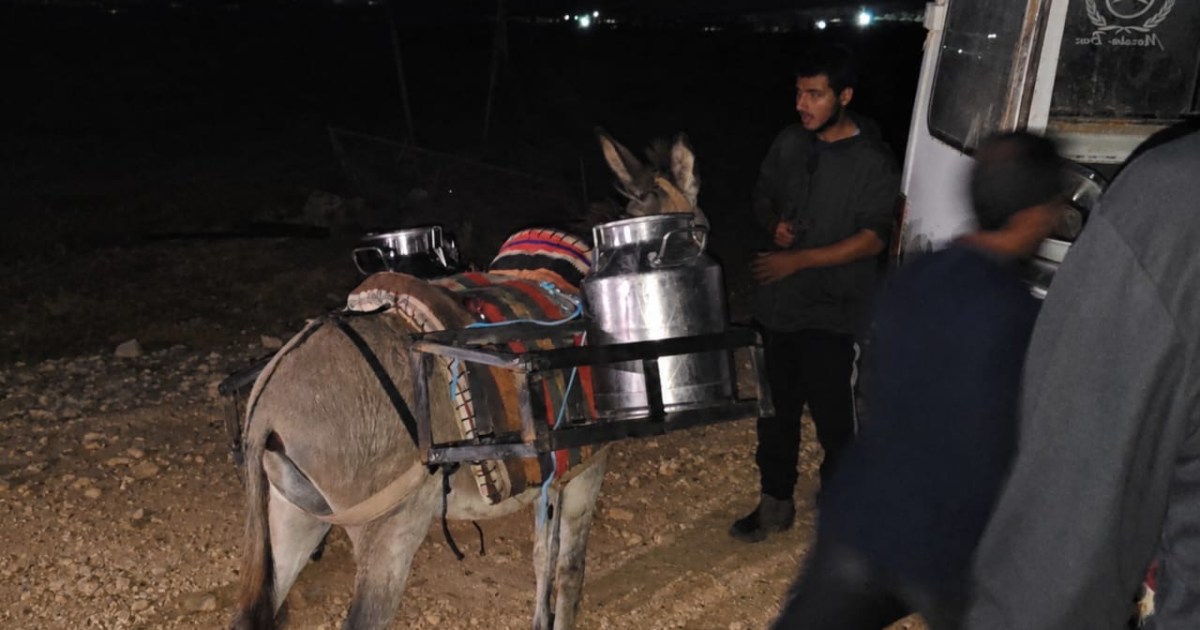
Geopolitical & Core Developments
Recent security and infrastructure measures implemented by Israeli authorities near the West Bank community of Ras al-Ahmar have severely disrupted the daily lives and livelihoods of local Palestinian residents. Reports from the region indicate that newly erected barriers and movement restrictions have effectively severed access to vital water resources, basic animal feed, and emergency healthcare services. This escalation occurs against a sensitive backdrop of impending local elections, heightening political tensions throughout the territories. The restrictions underscore the complex interplay between security infrastructure, territorial administration, and the socio-political realities faced by marginalized agrarian communities in the region.
The timing of these administrative and physical blockades has intensified domestic friction, drawing sharp criticism from local councils and community leaders who argue that basic humanitarian needs are being compromised for strategic objectives. As local administrative bodies attempt to organize electoral processes, the constriction of essential resources threatens to disenfranchise rural populations, exacerbating a pre-existing humanitarian vulnerability that has persisted through decades of geopolitical deadlock.
Global Trade & Economic Ripples
While localized in immediate geography, the disruption of agrarian communities in the West Bank carries notable implications for regional commodity markets and localized supply chains. Ras al-Ahmar and surrounding areas rely heavily on livestock farming and small-scale agriculture, sectors that are acutely sensitive to interruptions in water supply and feed logistics. The restriction of animal feed and fresh water directly impacts regional livestock production, leading to localized deflationary pressures on distressed livestock sales followed by medium-term inflationary spikes in meat and dairy prices across West Bank markets.
From a broader perspective, persistent instability in agricultural corridors undermines investor confidence in regional infrastructure projects and agricultural technology investments. International trade partners monitoring the Middle Eastern agricultural sector note that sustained blockades impair the economic self-sufficiency of Palestinian territories, increasing reliance on humanitarian aid and distorting traditional trade flows between local producers and broader regional markets.
Related Intelligence: Cornell Rape Inquiry Shines Spotlight on Institutional Accountability and Oversight
International Reactions & Diplomatic Stances
International bodies and diplomatic missions have begun monitoring the situation closely, with humanitarian agencies calling for immediate intervention to restore unimpeded access to water and medical care. Representatives from the United Nations and various European diplomatic missions have reiterated that restrictions on essential humanitarian supplies violate international humanitarian law concerning protected populations under occupation.
Market analysts and geopolitical risk consultants suggest that these developments complicate ongoing diplomatic efforts aimed at stabilizing the West Bank economy. While major international actors remain focused on broader regional conflicts, human rights organizations continue to pressure foreign ministries to demand accountability and logistical relief for affected rural enclaves. The lack of a coordinated diplomatic response risks deepening local disillusionment with international peace frameworks.
Strategic Outlook & Future Scenarios
Looking ahead, the trajectory of the West Bank agrarian crisis will depend heavily on the outcome of upcoming local elections and potential interventions by international mediators. If current barriers remain in place, further economic degradation of rural communities appears inevitable, potentially sparking broader civil unrest that could destabilize adjacent urban centers.
Conversely, localized pressure from international trade partners and humanitarian organizations may compel a recalibration of security policies, facilitating temporary corridors for water and agricultural logistics. However, long-term stabilization remains elusive absent a comprehensive political settlement that addresses structural resource allocation and freedom of movement across the territories.
Join Our Official WhatsApp Channel
Receive live commodity alerts, policy changes, and commercial intelligence directly on WhatsApp.