
Constitutional Interventions in Khyber Pakhtunkhwa: Legal and Economic Realities
An in-depth analysis of the constitutional mechanisms governing federal intervention in Khyber Pakhtunkhwa and its consequential impact on regional commerce and economic stability.
The Core Development
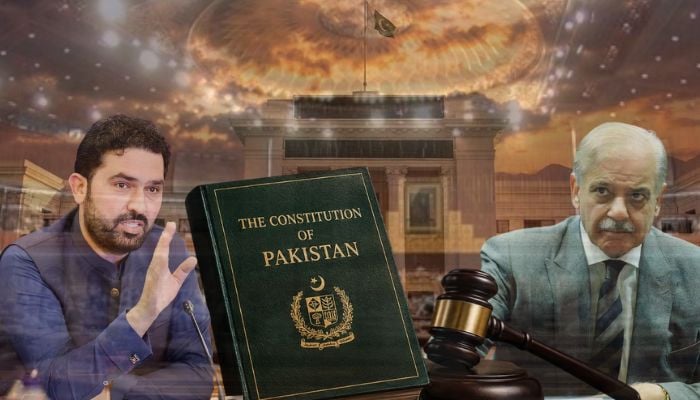
The ongoing political friction between the federal government and the provincial administration in Khyber Pakhtunkhwa has brought constitutional mechanisms into sharp focus. At the heart of the legal discourse are Articles 232 and 234 of the Constitution of Pakistan, which outline the parameters for declaring a state of emergency or imposing governor's rule. The foundational architecture of the Constitution relies heavily on the trichotomy of powers, ensuring a delicate balance between federal oversight and provincial autonomy.
Legal experts note that invoking Article 232 requires an existential threat to the security of Pakistan or any part thereof, whether by war, external aggression, or internal disturbance beyond the control of a provincial government. Meanwhile, Article 234 addresses situations where the government of a province cannot be carried on in accordance with the provisions of the Constitution, empowering the President to assume functions of the provincial government. As tensions escalate, policymakers and legal minds are closely evaluating the legal thresholds, procedural requirements, and potential judicial scrutiny associated with any prospective federal intervention.
Commercial & Economic Implications
Beyond the political and legal spheres, the specter of administrative instability in Khyber Pakhtunkhwa casts a heavy shadow over commercial and economic activities. As a critical trade gateway connecting Pakistan to Afghanistan and Central Asia, any disruption in provincial governance reverberates immediately through wholesale distribution networks, retail trade, and cross-border commerce.
Uncertainty regarding administrative continuity directly affects investor sentiment, slowing down capital deployment in key regional industrial zones. Furthermore, logistical bottlenecks arising from potential civil unrest or policy paralysis can severely disrupt supply chains, driving up transportation costs and fueling inflationary pressures on essential commodities. For consumers across the province, this translates to heightened price volatility and constrained market access, threatening the broader macroeconomic stability of the region.
Related Intelligence: Government and PTI Initiate High-Stakes Talks Ahead of October 4 March
Stakeholder Perspectives & Market Reactions
Business councils, trader associations, and industry bodies have expressed deep apprehension over the protracted political standoff. Representatives from major chambers of commerce in Peshawar and surrounding commercial hubs emphasize that business communities require a predictable regulatory environment to plan operations and maintain inventory levels.
Legal practitioners remain divided on the expediency and constitutional viability of imposing emergency measures, with many warning of prolonged litigation before the superior courts. Meanwhile, official statements from federal and provincial stakeholders reflect hardening stances, leaving commercial entities caught in the crossfire of institutional friction and urging immediate dialogue to safeguard economic interests.
Forward Outlook & Key Watchpoints
As the political matrix evolves, stakeholders are monitoring several critical indicators to gauge the trajectory of the crisis. Key watchpoints include judicial observations in any potential constitutional petitions, pronouncements from major political leadership, and security assessments compiled by federal agencies.
For the business community, the immediate priority remains operational continuity amidst uncertainty. Policymakers must weigh the imperatives of constitutional compliance against the tangible risks of market disruption, ensuring that any administrative decisions prioritize long-term economic resilience and stability in Khyber Pakhtunkhwa.
Join Our Official WhatsApp Channel
Receive live commodity alerts, policy changes, and commercial intelligence directly on WhatsApp.