
Pakistan Hikes Petroleum Prices Amid Ongoing Fiscal Adjustments
The federal government has announced minor upward revisions in petroleum prices, raising petrol by Rs2.10 and high-speed diesel by Re0.30 per litre following fortnightly reviews.
The Core Development
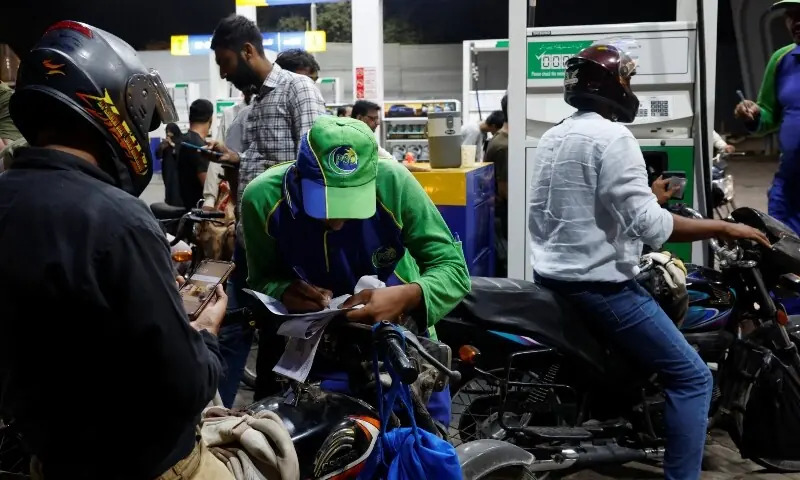
The federal government, acting on the recommendations of the Oil and Gas Regulatory Authority (OGRA) and the Ministry of Energy, has officially notified an upward revision in the prices of key petroleum products across Pakistan. According to the latest fortnightly pricing schedule, the ex-depot price of petrol has been increased by Rs2.10 per litre, while high-speed diesel (HSD) has experienced a marginal hike of Re0.30 per litre. This adjustment comes on the heels of fluctuating international market trends, shifting exchange rates, and ongoing structural fiscal commitments managed by economic managers in Islamabad. The revised rates take immediate effect, superseding previous notifications issued at the close of the preceding fortnight.
The decision reflects the continuous calibration required by authorities to align domestic retail pricing with global crude benchmarks and refined product costs. Industry stakeholders and state monitors observed that while international Brent prices witnessed modest volatility over the last review cycle, domestic adjustments were kept relatively contained to prevent severe inflationary shocks. Fuel distribution companies, oil marketing firms, and retail outlet operators across the country were directed to implement the updated price schedules immediately, ensuring compliance with the official OGRA notifications at all pumps nationwide.
Commercial & Economic Implications
For Pakistan's broader commercial landscape, even minor adjustments in POL (petroleum, oil, and lubricants) products carry significant weight. High-speed diesel remains the absolute lifeblood of the country's transport, freight, and agricultural machinery sectors. Although the Re0.30 per litre increase in diesel is exceptionally modest, transport operators and freight forwarders argue that compounding logistical costs ultimately filter down to wholesale and retail consumer goods. Supply chain networks rely heavily on uninterrupted diesel availability, and pricing shifts directly impact the cost of moving raw materials and finished products between major industrial hubs such as Karachi, Lahore, Faisalabad, and Islamabad.
Simultaneously, the Rs2.10 increase in petrol directly affects private commuters, urban delivery fleets, and two-wheeler users who form a massive segment of the domestic workforce. In an economic environment where core inflation, utility tariffs, and borrowing costs have remained elevated, incremental fuel hikes add further pressure to household disposable incomes. Retail trade associations note that higher transportation overheads erode profit margins for small and medium enterprises (SMEs), leaving merchants with difficult choices between absorbing additional expenses or passing them on to end consumers amidst already sluggish consumer demand.
Related Intelligence: Trump Claims European Agreement on Massive Diesel Reserve Release
Stakeholder Perspectives & Market Reactions
Initial reactions from trade bodies, transport associations, and consumer rights advocates highlight a mixture of resignation and guarded vigilance. Representatives of various goods transport unions expressed relief that the diesel hike was kept minimal, noting that a steeper increase would have triggered immediate nationwide fare and freight rate hikes. However, transport leaders emphasized that the cumulative impact of recurring fortnightly fuel adjustments over past months continues to strain fleet maintenance and operational viability.
Meanwhile, economic analysts and independent financial observers point out that the government's pricing strategy remains tightly bound to revenue-generation targets agreed upon under international financial monitoring frameworks. Petroleum levy collections and General Sales Tax (GST) adjustments continue to serve as crucial revenue buffers for the federal exchequer. Energy sector experts maintain that as long as domestic petroleum prices are indexed to international market vagaries and currency fluctuations, consumers must brace for fortnightly price oscillations rather than long-term stability.
Forward Outlook & Key Watchpoints
Looking ahead, market participants will closely monitor international crude oil trajectories and the stability of the Pakistani rupee against the US dollar during the upcoming fortnight. The Ministry of Energy and OGRA will maintain strict oversight of oil marketing companies to prevent localized hoarding, artificial shortages, or non-compliance with notified ex-depot prices. Provincial authorities and district administrations have also been alerted to ensure that fuel stations display updated pricing banners prominently and sell strictly according to official tariffs. As Pakistan navigates its delicate economic stabilization path, petroleum pricing mechanisms will remain a central barometer of fiscal policy execution and consumer cost-of-living dynamics.
Join Our Official WhatsApp Channel
Receive live commodity alerts, policy changes, and commercial intelligence directly on WhatsApp.