
White House Defies Press Access Ruling Amid Growing Legal Battle
Major media outlets are pursuing emergency legal action after the White House allegedly violated a federal court order restoring press access.
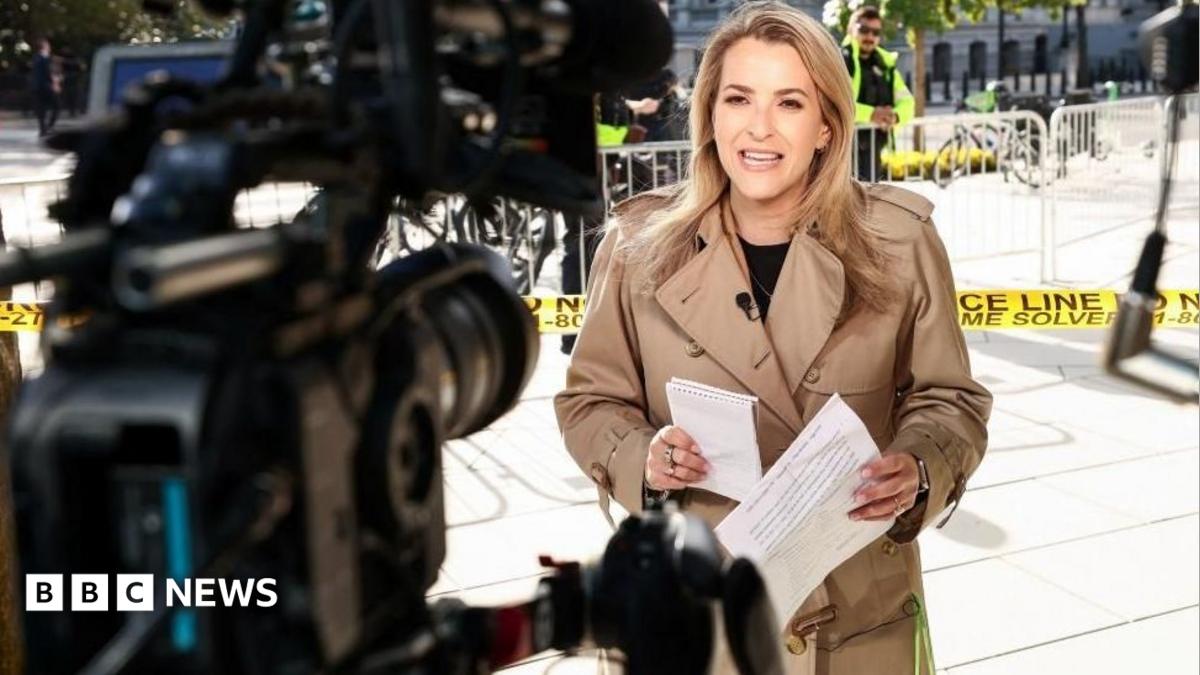
Geopolitical & Core Developments
The ongoing legal confrontation between major American media networks and the executive branch has escalated significantly, as lawyers representing CNN, Politico, and MS Now petition for an emergency court hearing. The legal maneuver follows persistent allegations that the White House has repeatedly violated a federal judge's explicit order overturning a controversial media ban. The dispute centers on institutional access, constitutional protections under the First Amendment, and the fundamental mechanics of communicating executive branch policy to domestic and international audiences.
Historically, the accreditation of journalists to the White House press corps functions as an essential pipeline for global information dissemination. When access is restricted or manipulated based on editorial stances, it sends troubling signals to international observers regarding democratic resilience and governmental accountability. The timeline of the current crisis highlights a deepening rift between the executive administration and the traditional press corps, characterized by systematic credential revocations followed by protracted judicial interventions. As federal magistrates attempt to enforce compliance, the executive branch's resistance underscores a broader global trend of political figures bypassing traditional media ecosystems in favor of direct digital communication channels.
Global Trade & Economic Ripples
While ostensibly a domestic legal and constitutional dispute, the restriction of unfettered journalistic access to the highest levels of the United States government carries subtle yet consequential implications for global commodity markets and international trade diplomacy. Global investors, multinational corporations, and sovereign wealth funds rely heavily on timely, accurate reporting originating from the White House to price risk accurately, anticipate regulatory shifts, and gauge macroeconomic policy trajectories.
Uncertainty surrounding trade negotiations, tariff implementations, and sanctions policy often originates from official briefings and press interactions. When accredited journalists are barred or hindered from questioning policymakers directly, informational asymmetries increase. In high-stakes commodities markets—ranging from energy futures to agricultural exports—any degradation in the speed or reliability of policy intelligence can induce market volatility. International trade partners closely monitor these institutional friction points, as transparency in US governance directly correlates with stability in global supply chains and currency valuations.
Related Intelligence: Tunisia Fuel Strike Exposes Deepening Economic and Political Fractures
International Reactions & Diplomatic Stances
Global watchdogs, foreign press associations, and international diplomatic bodies have begun monitoring the standoff with mounting concern. Multilateral organizations dedicated to press freedom have noted that the erosion of media access in major Western democracies provides authoritarian regimes with rhetorical cover to curtail journalistic freedoms within their own borders. Diplomatic missions stationed in Washington rely on the White House press corps to corroborate policy shifts regarding foreign alliances, defense pacts, and multilateral climate commitments.
Market analysts and legal scholars suggest that the administration's defiance of judicial oversight damages the perceived stability of American institutional norms. Foreign investors and allied governments view the rule of law and judicial enforceability as foundational pillars of the US economic system. When executive actions openly challenge federal court rulings regarding constitutional rights, international confidence in institutional predictability faces a test.
Strategic Outlook & Future Scenarios
As the legal battle moves toward an emergency hearing, the trajectory of this conflict will likely set a defining precedent for executive power and press freedoms in the digital age. If the federal court enforces strict penalties for non-compliance, the administration may be forced to restore full credentials, temporarily de-escalating tensions. However, ongoing friction remains probable as both sides leverage legal and political tools.
Upcoming diplomatic summits and international engagements will serve as barometers for how this domestic information crisis impacts broader foreign policy objectives. Should the blockade of specific media outlets persist, international repercussions could manifest in reduced foreign trust regarding official US policy announcements, influencing everything from multilateral trade agreements to coordinated geopolitical strategies.
Join Our Official WhatsApp Channel
Receive live commodity alerts, policy changes, and commercial intelligence directly on WhatsApp.