
Hurricane Polo Threatens Mexican Infrastructure and Key Supply Chains
Hurricane Polo threatens Mexico with severe flooding and landslides, prompting urgent warnings from the US National Hurricane Center and raising concerns over regional supply chain disruptions.
Geopolitical & Core Developments
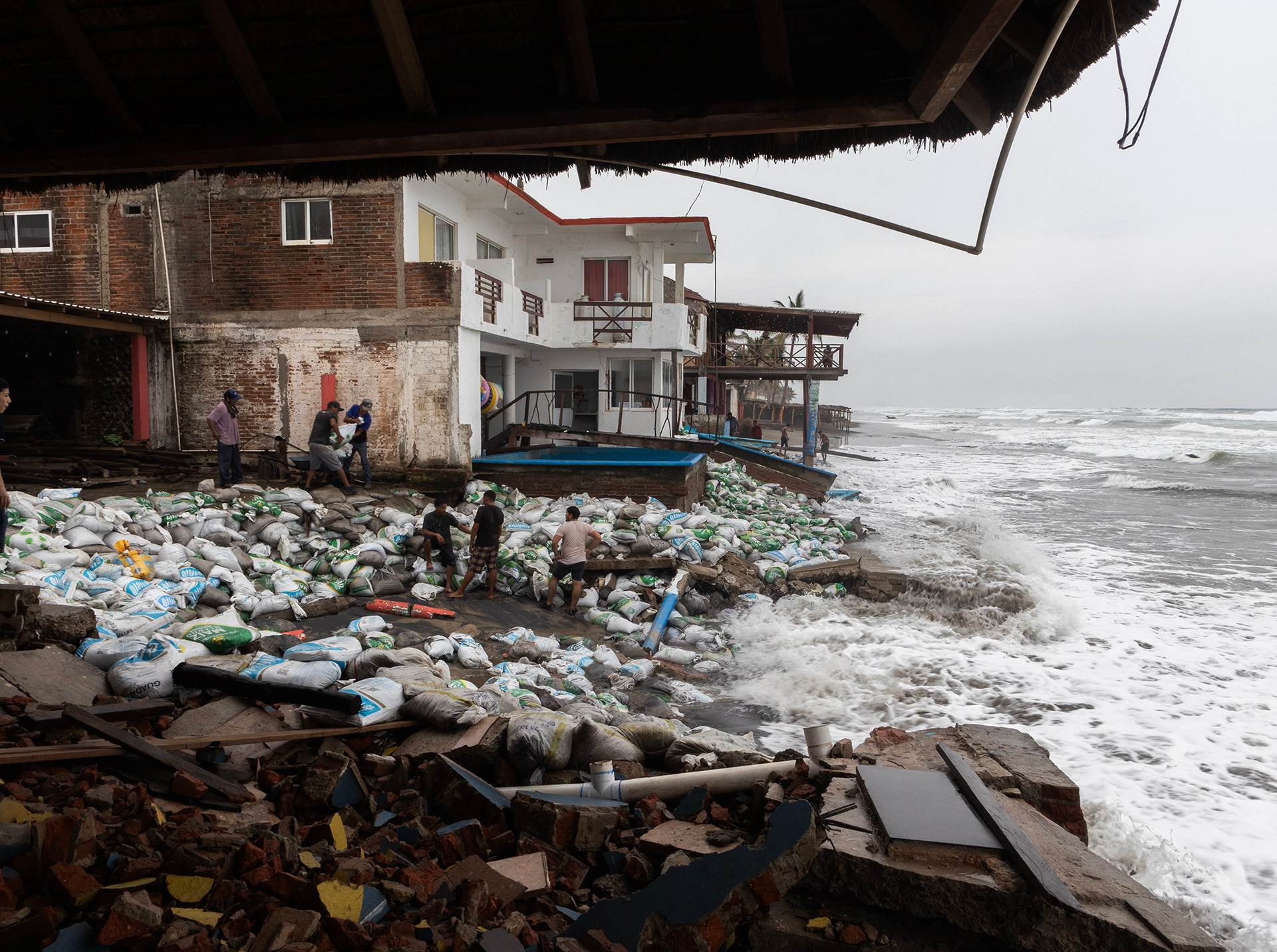
As Hurricane Polo gathers strength off the Pacific coast of Mexico, meteorological agencies and disaster management authorities have raised alarm bells regarding its potential trajectory and destructive capacity. The United States National Hurricane Center (NHC) has issued urgent advisories warning of life-threatening flash floods, heavy rainfall, and catastrophic landslides across vulnerable Mexican states. State actors, regional civil protection agencies, and emergency response units have mobilized to coordinate evacuation protocols, reinforce critical infrastructure, and secure coastal settlements in the direct path of the storm.
The timing of Hurricane Polo introduces heightened vulnerability for national governance and disaster response frameworks. Federal authorities in Mexico City are balancing immediate humanitarian deployment with long-term infrastructure resilience planning. Historically, severe meteorological events along the Pacific corridor strain municipal budgets, disrupt critical transportation arteries, and necessitate international logistical coordination. As climate variability intensifies extreme weather phenomena, the strategic stakes for regional stability and emergency preparedness continue to escalate, requiring proactive diplomatic and inter-agency cooperation between Mexico and its North American partners.
Global Trade & Economic Ripples
Beyond the immediate humanitarian concerns, Hurricane Polo poses severe implications for global trade, commodity pricing, and supply chain continuity. Mexico serves as a vital manufacturing and agricultural hub within North America, connecting international maritime routes and land logistics corridors. Torrential downpours and anticipated landslides threaten to temporarily paralyze key transport networks, including major freight highways connecting Pacific ports to industrial centers in the interior and northern border regions.
Furthermore, global energy markets and localized commodity pricing are highly sensitive to disruptions in this strategic corridor. Proximity to vital oil and natural gas extraction zones in the Gulf of California and surrounding basins elevates the risk of temporary production halts or logistical bottlenecks. International shipping lines and maritime insurers are closely monitoring port closures and restricted navigation channels. Any sustained disruption to Mexican manufacturing exports, agricultural commodities, or energy transit risks generating inflationary ripples across broader North American trade networks, affecting currency valuations and investor sentiment in emerging market equities.
Related Intelligence: India Election Crisis Sparks Regional Economic and Political Uncertainty
International Reactions & Diplomatic Stances
In the wake of the NHC warnings, multilateral bodies, foreign governments, and financial market analysts have expressed growing concern over the unfolding meteorological crisis. The United Nations Office for Disaster Risk Reduction has emphasized the critical need for robust early-warning systems and climate resilience frameworks in high-risk coastal zones. Neighboring governments have offered technical assistance and emergency response assets, underscoring the interconnected nature of regional security and disaster management under the United States-Mexico-Canada Agreement (USMCA) framework.
Market analysts and commodity strategists have adjusted risk assessments for multinational corporations operating manufacturing facilities in the affected regions. Institutional investors are evaluating corporate exposure to weather-related supply chain shocks, prompting renewed discussions regarding corporate risk mitigation strategies, supply chain diversification, and climate adaptation financing. Financial institutions emphasize that extreme weather events of this magnitude directly impact quarterly earnings reports for logistics, manufacturing, and energy sectors heavily reliant on uninterrupted Mexican transit routes.
Strategic Outlook & Future Scenarios
Looking ahead, the trajectory of Hurricane Polo and its immediate aftermath will serve as a critical stress test for Mexico's disaster response infrastructure and economic resilience. As global climate patterns drive increased frequency and severity of tropical storms, policymakers face mounting pressure to integrate comprehensive climate adaptation strategies into national development plans. Upcoming regional economic summits and bilateral trade forums are expected to feature heightened agendas on supply chain hardening and cross-border emergency infrastructure resilience.
In the medium term, sustained climate volatility threatens to alter traditional trade routes and manufacturing distribution models across Latin America. Corporations and governments alike must navigate an increasingly complex geopolitical and environmental landscape where natural disasters carry profound macroeconomic and commercial consequences. The ability of regional authorities to mitigate the impacts of Hurricane Polo will set a vital precedent for future crisis management in an era of heightened global climate uncertainty.
Join Our Official WhatsApp Channel
Receive live commodity alerts, policy changes, and commercial intelligence directly on WhatsApp.