
Tunisia Fuel Strike Exposes Deepening Economic and Political Fractures
Tunisia faces intensifying economic strain following a crippling fuel strike that highlights widespread public frustration and threatens regional energy stability.
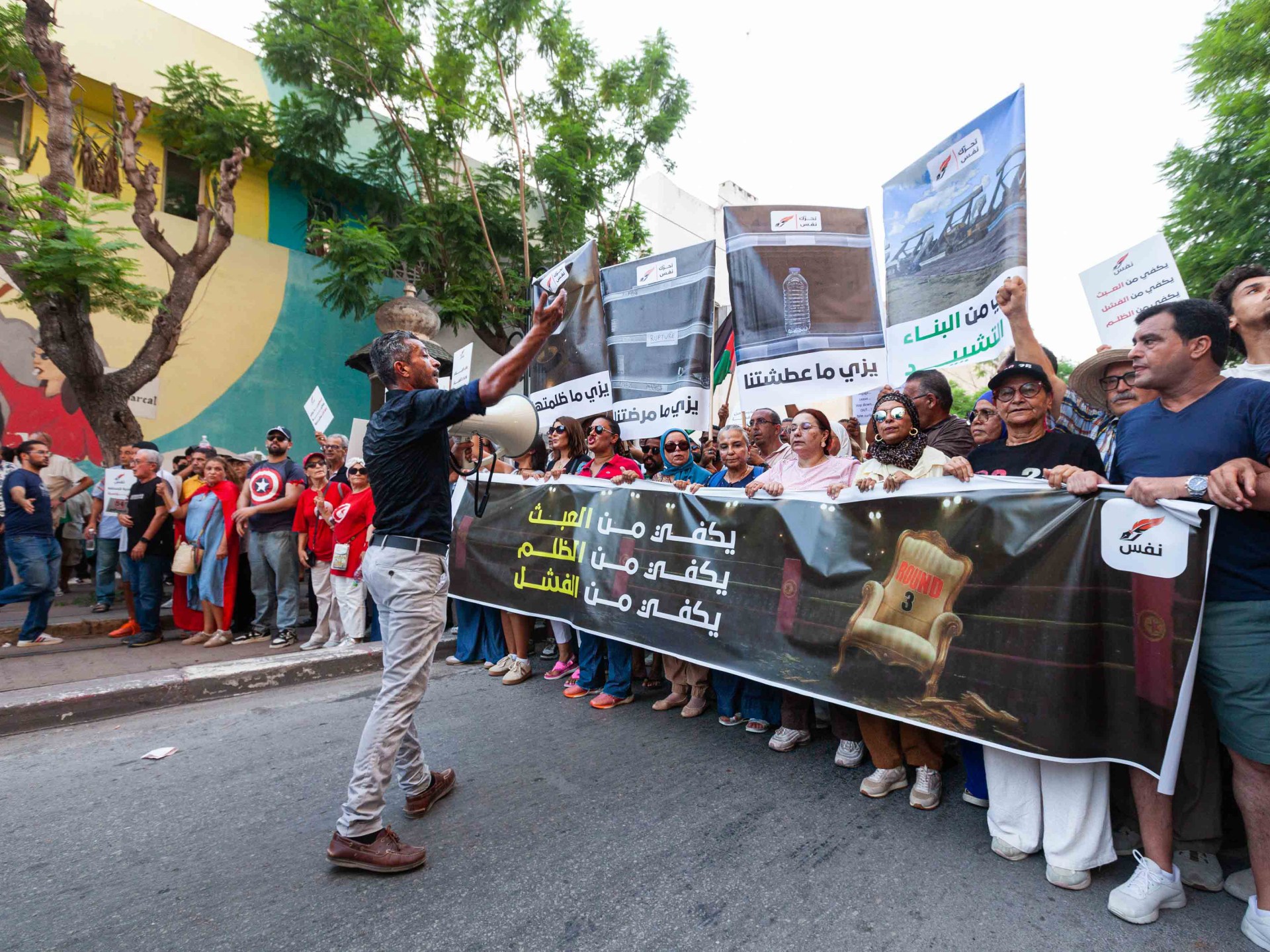
Geopolitical & Core Developments
A crippling 48-hour fuel strike across Tunisia has brought major urban centers to a near standstill, sharply escalating domestic tensions and highlighting the severe vulnerability of the North African state's governance structure. The strike, orchestrated amid mounting public fury over soaring inflation, supply shortages of basic commodities, and eroding purchasing power, serves as a flashpoint for broader socio-political discontent. For months, citizens have grappled with acute shortages of subsidized goods, including flour, sugar, and refined petroleum products, driven by the government's acute foreign exchange constraints and mounting sovereign debt pressures.
The administration in Tunis finds itself caught between the demands of powerful domestic labor unions, such as the Tunisian General Labour Union (UGTT), and the stringent fiscal consolidation mandates required by international lenders. As state coffers dwindle, the inability to guarantee uninterrupted energy supplies threatens to erode remaining public trust in state institutions. This latest industrial action underscores a persistent systemic risk: the friction between necessary macroeconomic reforms and the immediate survival needs of a population bearing the brunt of austerity.
[Global Trade](/news/trump-xi-summit-trade-tech-taiwan-iran) & Economic Ripples
While Tunisia is not a primary oil exporter, its strategic location along Mediterranean shipping corridors and its integration into Euro-Mediterranean trade networks lend regional significance to its domestic instability. Energy distribution bottlenecks within the country immediately ripple through local logistics networks, hampering transport, manufacturing operations, and cross-border commerce. Importers and multinational firms operating in Tunisian industrial zones face rising operational risks and logistical delays as fuel rationing takes effect.
On a broader scale, the turmoil in Tunisia mirrors wider commodity market vulnerabilities across emerging economies burdened by high import bills for energy and foodstuffs. Global commodity traders monitoring the North African market note that persistent domestic instability in transit and consumer nations discourages foreign direct investment and complicates regional supply chain forecasting. The risk premium for commercial operations in the broader Maghreb region climbs incrementally with each wave of civil unrest, affecting everything from textile exports to agricultural trade flows destined for the European Union.
Related Intelligence: Hurricane Polo Threatens Mexican Infrastructure and Key Supply Chains
International Reactions & Diplomatic Stances
International stakeholders, including the International Monetary Fund, the European Union, and key bilateral partners, are closely monitoring the unfolding crisis with growing apprehension. Western capitals have repeatedly emphasized the necessity of inclusive political dialogue and sustainable economic reforms to restore macroeconomic equilibrium. However, negotiations regarding a stalled $1.9 billion bailout package remain deadlocked over President Kais Saied's resistance to structural reforms that he argues would inflict unbearable hardship on ordinary citizens.
Bilateral creditors have expressed concern that prolonged domestic disruption could trigger broader migration waves across the central Mediterranean toward European shores. Multilateral bodies reiterate that financial assistance remains strictly contingent upon transparent governance reforms and fiscal discipline, creating a complex diplomatic standoff where neither side can easily afford a total breakdown in negotiations.
Strategic Outlook & Future Scenarios
Over the near term, the trajectory of Tunisia's political economy depends heavily on the government's ability to navigate impending debt maturities without plunging the nation into deeper civil unrest. Further labor strikes could paralyze critical infrastructure, forcing emergency state interventions and potentially provoking harsher security responses that would further alienate international donors.
In the medium to long term, policymakers anticipate two divergent scenarios: either a last-minute compromise leading to structural economic reform and resumed international lending, or a deepening fiscal spiral characterized by chronic shortages, capital flight, and heightened geopolitical risk in the Western Mediterranean. Regional security analysts warn that prolonged economic paralysis in Tunis could destabilize adjacent trade corridors, prompting a more assertive diplomatic intervention from European neighbors heavily invested in North African stability.
Join Our Official WhatsApp Channel
Receive live commodity alerts, policy changes, and commercial intelligence directly on WhatsApp.