
WFP Slashes Gaza Food Aid for 500,000 Amid Critical Funding Deficit
The World Food Programme has cut food assistance to 500,000 Gazans following an acute funding shortage, imperiling fragile stabilization efforts and straining regional humanitarian corridors.
Geopolitical & Core Developments
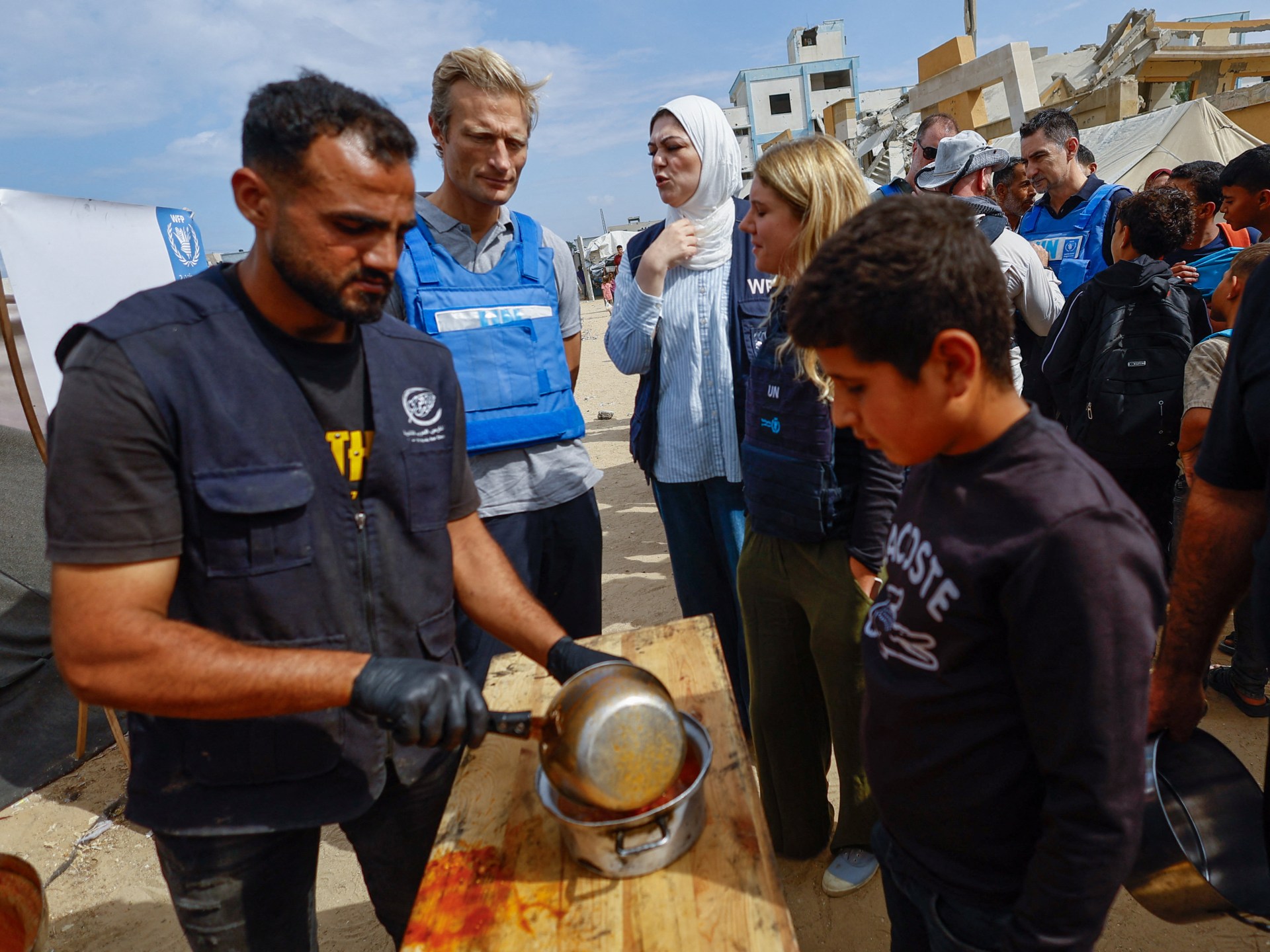
The United Nations World Food Programme (WFP) has confirmed a substantial reduction in emergency operations across the Gaza Strip, cutting off food distributions to an estimated 500,000 Palestinians. The multilateral agency cited an acute and widening liquidity crunch, warning that the immediate shortfall jeopardizes fragile, incremental progress achieved in mitigating acute food insecurity in the conflict-ravaged territory.
Over recent months, international humanitarian agencies have operated under stringent logistical constraints, diplomatic bottlenecks, and continuous security risks. The reduction in food assistance directly impacts displaced communities, non-refugee populations, and families categorized under IPC Phase 4 (Emergency) and Phase 5 (Catastrophe) food insecurity matrices. Diplomatic efforts led by the United Nations, Qatar, Egypt, and Western partners to expand access corridors and secure uninterrupted humanitarian flows have consistently collided with operational delays at border inspection points, security checkpoints, and localized distribution failures. The suspension represents a significant operational contraction by international relief mechanisms within the enclave, heightening the risk of localized social collapse.
Global Trade & Economic Ripples
While predominantly a humanitarian crisis, the degradation of aid pipelines inside Gaza generates distinct macroeconomic and trade frictions across the Levant and North Africa. The disruption of procurement frameworks alters global commodity purchasing patterns conducted by UN agencies, which rely heavily on bulk acquisitions of wheat flour, pulses, vegetable oils, and fortified rations from international agricultural markets. Retrenched funding directly dampens bulk tender volumes historically executed across European, Black Sea, and Middle Eastern agricultural export nodes.
Furthermore, regional transit corridors—particularly Egypt's overland routes through North Sinai and Jordan's terrestrial convoys—face logistical inefficiencies. Extended demurrage charges, inflated freight insurance premiums for commercial trucks operating within conflict-adjacent corridors, and strained warehousing capacities in El Arish and Amman continue to impose structural costs on commercial suppliers. Persistent volatility in the Eastern Mediterranean also maintains a baseline risk premium across regional logistics and maritime trade lanes, where commercial operators factor in security risks and elevated compliance costs.
Related Intelligence: Athens Property Influx Strains Local Economy Amid Middle East Tensions
International Reactions & Diplomatic Stances
Multilateral bodies and humanitarian leadership have issued stark assessments of the funding deficit. WFP officials reiterated that without immediate, unearmarked capital injections, the agency's broader operations in the occupied Palestinian territories face complete operational paralysis by the subsequent fiscal quarter. UN leadership urged international donor nations—predominantly Gulf Cooperation Council (GCC) states, the European Union, and the United States—to accelerate the disbursement of pledged funds.
European and regional diplomats expressed mounting alarm over the humanitarian trajectory. Several EU member states emphasized that cutting baseline caloric support will accelerate civil disorder and compound public health catastrophes. Conversely, major Western donors face domestic fiscal scrutiny and geopolitical competing priorities, including support for Ukraine and domestic budgetary consolidation, which has constrained discretionary foreign aid allocations. Regional governments, particularly Jordan and Egypt, have reiterated that externalizing the costs of prolonged instability onto frontline states threatens regional stability.
Strategic Outlook & Future Scenarios
The strategic outlook hinges on whether multilateral donors can establish emergency bridging facilities prior to an acute deterioration of nutrition metrics. In the primary scenario, a coalition of European and Gulf donors may release targeted bilateral funding tranches, temporarily restoring partial rations to the most vulnerable cohorts while sustaining baseline supply lines. However, such interventions are likely to function merely as stopgaps rather than sustainable programmatic solutions.
In an alternative scenario where funding deficits persist, severe caloric deficits are projected to trigger widespread secondary displacement toward remaining aid hubs, destabilizing operational security for international non-governmental organizations. Such developments would intensify diplomatic pressure on Israel, Egypt, and international stakeholders at the United Nations General Assembly and Security Council, potentially prompting renewed calls for enforceable resolutions regarding humanitarian access. Without structural funding renewals and permanent access guarantees, humanitarian agencies remain structurally incapable of maintaining food parity in Gaza.
Join Our Official WhatsApp Channel
Receive live commodity alerts, policy changes, and commercial intelligence directly on WhatsApp.