
West Bank Violence Threatens Regional Stability and Agricultural Supply Chains
Intensifying settler attacks during the West Bank olive harvest compound regional instability, threatening agricultural supply chains and international diplomatic efforts.
Geopolitical & Core Developments
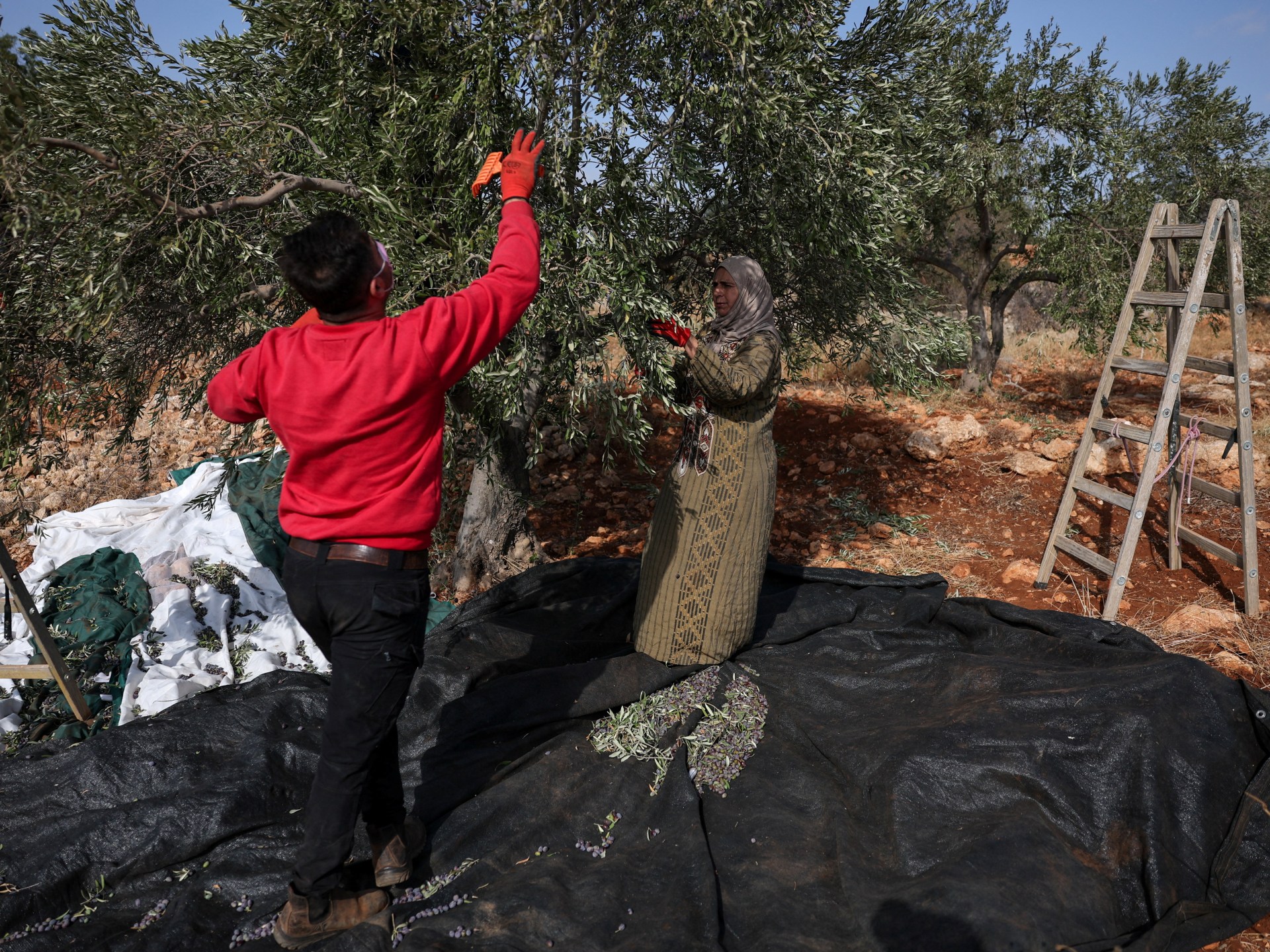
The geopolitical landscape of the West Bank has grown increasingly volatile following a surge of coordinated disruptions targeting the vital seasonal olive harvest. On Friday alone, monitors and local officials recorded at least 19 distinct settler attacks across multiple districts, systematically obstructing farmers from accessing their groves. Concurrently, Israeli military forces detained 16 Palestinians in separate operations throughout the territory. These developments mark a sharp escalation in localized friction, compounding long-standing territorial disputes and deepening the security vacuum that has persisted since regional hostilities intensified. State actors and diplomatic missions are closely monitoring the situation as the convergence of civilian violence and military detentions threatens to ignite broader unrest across the occupied territories.
Global Trade & Economic Ripples
While direct physical damage remains concentrated within local agricultural sectors, the broader economic ramifications extend deeply into regional commodity markets and supply chain integrity. The West Bank olive harvest is a cornerstone of the Palestinian agrarian economy, and systemic disruptions directly impact export volumes to regional and international markets. More broadly, persistent civil unrest in the Levant contributes to heightened risk premiums across Middle Eastern shipping lanes, insurance markets, and energy logistics. Global commodity traders and supply chain managers are factoring these escalating geopolitical vulnerabilities into risk assessments, particularly as regional instability threatens secondary trade routes connecting the Eastern Mediterranean to broader Eurasian networks.
Related Intelligence: Indonesian Peat Fires Ignite Regional Diplomatic and Supply Chain Crises
International Reactions & Diplomatic Stances
International bodies and foreign ministries have expressed mounting alarm over the deterioration of security conditions in the West Bank. The United Nations and various multilateral observers have repeatedly urged authorities to uphold international humanitarian law and protect civilian economic activities, including vital agricultural harvests. Western governments and regional stakeholders have voiced concern that unchecked settler violence undermines prospects for a viable political resolution. Market analysts note that while immediate financial impacts remain localized, prolonged diplomatic friction and potential retaliatory trade measures could influence foreign direct investment and multilateral economic cooperation across the wider Middle East.
Strategic Outlook & Future Scenarios
Looking ahead, the trajectory of the West Bank security crisis remains a critical variable for regional stability and international trade diplomacy. Upcoming diplomatic summits and emergency UN consultations will likely address the protection of agrarian workers and the containment of localized escalation. However, absent robust enforcement mechanisms to curb settler violence and de-escalate military operations, the risk of sustained civil unrest remains acute. Such an environment increases the probability of targeted international sanctions, heightened compliance burdens for multinational firms operating in the region, and persistent volatility in regional economic forecasts.
Join Our Official WhatsApp Channel
Receive live commodity alerts, policy changes, and commercial intelligence directly on WhatsApp.