
Pakistan Urges Regional Restraint Amid Escalating Middle East Tensions
Pakistan's top military spokesperson reiterates the nation's mediation role to curb widening Middle East conflict, as financial analysts warn of severe economic fallout on domestic trade and energy supply chains.
The Core Development
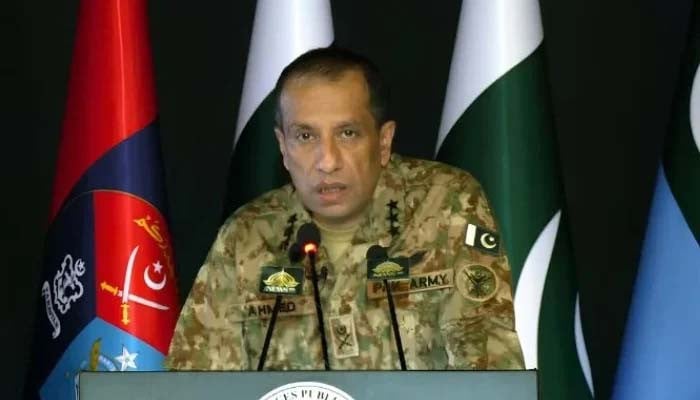
In an urgent diplomatic and strategic briefing in Islamabad, Pakistan's senior military spokesperson articulated a firm national stance regarding the intensifying geopolitical crisis in the Middle East. Highlighting Islamabad's active role as a regional mediator, the military leadership emphasized that Pakistan strongly opposes any further widening of the conflict, which threatens broader global stability. The official underscored that diplomatic channels remain open with key international and regional stakeholders to de-escalate hostilities that have severely impacted global trade corridors. The high-stakes diplomatic maneuvering comes in the wake of escalating kinetic exchanges across the Middle East, a region critical to Pakistan's geostrategic interests, energy security, and diaspora welfare. The spokesperson reiterated that Pakistan's foreign policy framework remains anchored in promoting peace, dialogue, and adherence to international law, warning that unchecked escalation could trigger catastrophic humanitarian and economic consequences across the Global South.
Commercial & Economic Implications
For Pakistan's domestic economy, the widening Middle East conflict presents severe macroeconomic vulnerabilities, primarily through the energy and trade channels. As a net energy importer, Pakistan relies heavily on petroleum products sourced from or transported through the Middle East. Any prolonged disruption to shipping lanes in the Red Sea and the Strait of Hormuz directly threatens to inflate international Brent crude prices, exerting immense pressure on Pakistan's fragile foreign exchange reserves. Higher fuel import bills will inevitably cascade down to wholesale distribution and retail trade, reigniting inflationary pressures just as the central bank begins easing monetary policy. Furthermore, supply chain bottlenecks are expected to increase freight charges and raw material costs for local manufacturers, particularly in the textile and chemical sectors, dampening export competitiveness and stalling industrial growth.
Related Intelligence: Vatican Praises Pakistan Diplomatic Role Amid Trade and Regional Stability Push
Stakeholder Perspectives & Market Reactions
Business councils, trader associations, and financial analysts in Karachi and Lahore have expressed deep apprehension regarding the compounding risks of regional instability. Representatives from the Federation of Pakistan Chambers of Commerce and Industry (FPCCI) have urged the federal government to formulate a comprehensive contingency plan to secure alternate energy supplies and safeguard bilateral trade routes. Financial markets have responded with cautious volatility, as institutional investors weigh the implications of potential petroleum price shocks on the rupee-dollar parity. Meanwhile, legal experts and policy analysts have commended the military and civilian leadership's proactive diplomatic outreach, noting that maintaining a neutral yet engaged mediating posture is vital for protecting expatriate workers remitting billions of dollars annually back to Pakistan.
Forward Outlook & Key Watchpoints
As the diplomatic clock ticks, policymakers in Islamabad are closely monitoring several critical indicators over the coming weeks. Key watchpoints include potential disruptions to liquefied natural gas (LNG) spot cargoes, international crude price volatility on global commodity exchanges, and any formal policy adjustments by the International Monetary Fund regarding macroeconomic targets in light of exogenous shocks. The Ministry of Finance and the State Bank of Pakistan are reportedly drafting stress-tested fiscal buffers to absorb potential import price spikes. Ultimately, the success of Pakistan's diplomatic mediation efforts will determine not only the containment of regional hostilities but also the resilience of domestic markets against imported inflation and currency depreciation through the remainder of the fiscal year.
Join Our Official WhatsApp Channel
Receive live commodity alerts, policy changes, and commercial intelligence directly on WhatsApp.