
Indonesian Peat Fires Ignite Regional Diplomatic and Supply Chain Crises
Severe peatland fires in Indonesia are generating toxic regional smog, threatening Southeast Asian trade, public health, and diplomatic relations while exposing vulnerabilities in agricultural supply chains.
Geopolitical & Core Developments
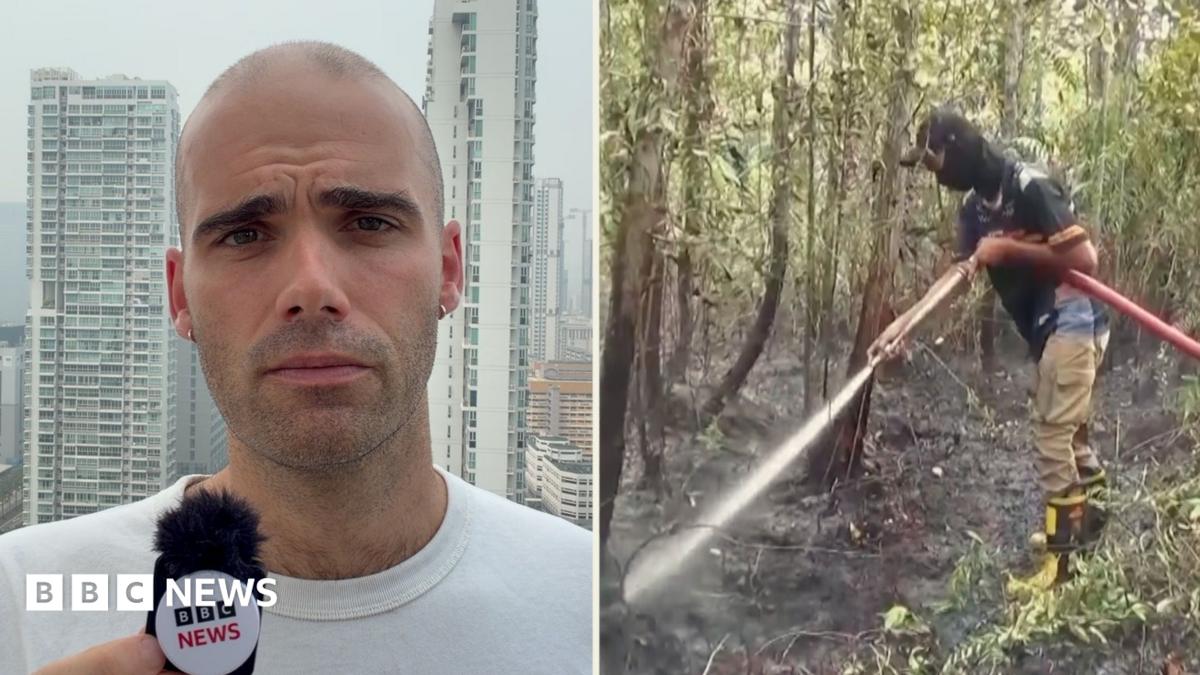
Recurring environmental catastrophes in Southeast Asia have once again brought the perennial crisis of Indonesian peatland fires to the forefront of international diplomacy. The fires, primarily concentrated in the provinces of Sumatra and Kalimantan, are not merely seasonal brush fires; they are complex subterranean blazes fueled by decades of industrial agricultural expansion, illegal land clearing, and the drainage of vast carbon-rich peat swamps. When these drained peatlands ignite, they burn beneath the surface, consuming ancient layers of organic matter that release monumental volumes of carbon dioxide and noxious particulate matter into the atmosphere.
The resulting transboundary haze routinely shrouds neighboring nations, including Malaysia and Singapore, plunging the region into a public health emergency. This environmental spillover has historically strained diplomatic relations within the Association of Southeast Asian Nations (ASEAN). While Jakarta faces mounting international pressure to curb the blazes, local enforcement remains hamstered by vast geography, corruption, and the entrenched economic interests of smallholder farmers and large-scale agro-industrial conglomerates alike. Despite bilateral cooperation agreements and regional haze monitoring frameworks, the structural drivers of the fires—chiefly the conversion of tropical forests and peatlands into monoculture plantations—continue to challenge state governance and regional stability.
Global Trade & Economic Ripples
The environmental crisis in Indonesia carries profound implications for global commodity markets, particularly for foundational agricultural inputs such as palm oil, rubber, and pulpwood. Indonesia is the world's largest producer and exporter of palm oil, a ubiquitous commodity embedded in supply chains spanning food processing, cosmetics, and biofuels. Consequently, any disruption to production centers or regulatory crackdowns on fire-prone concessions directly impacts global pricing benchmarks and trade flows.
International buyers and multinational corporations face escalating scrutiny from Western regulators, particularly under the European Union Deforestation Regulation (EUDR), which demands strict traceability to ensure supply chains are free from deforestation and environmental degradation. The persistent fires provide tangible evidence of ongoing ecological mismanagement, empowering ESG (Environmental, Social, and Governance) institutional investors to demand stricter auditing of Indonesian commodities. Furthermore, regional transport and logistics suffer significant commercial losses; dense smog frequently forces the closure of regional airports, disrupts shipping lanes due to impaired visibility, and drains local economies through healthcare expenditures and lost productivity.
Related Intelligence: Navi Pillay Awarded 2026 Nobel Peace Prize for Global Rights Advocacy
International Reactions & Diplomatic Stances
Regional neighbors have repeatedly expressed frustration over Jakarta's handling of the crisis, calling for more aggressive enforcement of environmental laws and transparency in prosecuting corporations linked to illegal burning. Singapore and Malaysia have offered aerial firefighting assistance and technical cooperation, framing the haze as an urgent regional security threat rather than a domestic internal affair.
At the multilateral level, bodies such as the United Nations Environment Programme (UNEP) have emphasized that Indonesia's peat fires are a global climate emergency. Because peatlands store vast amounts of carbon, their destruction accelerates global warming, undermining international commitments made under the Paris Agreement. Market analysts note that international financial institutions are increasingly hesitant to underwrite agricultural expansions in Southeast Asia without ironclad guarantees of peatland conservation and restoration, shifting capital flows toward more sustainable alternatives.
Strategic Outlook & Future Scenarios
Looking ahead, the trajectory of Indonesia's peatland crisis will depend heavily on meteorological conditions, specifically the severity of El Nino cycles which exacerbate drought conditions across the archipelago. Without long-term, capital-intensive restoration projects focused on re-wetting drained peat domes and reforming agrarian incentives, these fires will remain an annual fixture of the regional landscape.
Upcoming international climate summits will likely see increased demands for carbon financing to support Indonesia's peat restoration efforts. However, unless enforcement mechanisms are fundamentally strengthened, the tension between economic growth driven by commodity exports and ecological preservation will persist. For global corporations relying on Southeast Asian supply chains, the imperative to diversify sourcing and enforce rigorous traceability protocols has never been more urgent.
Join Our Official WhatsApp Channel
Receive live commodity alerts, policy changes, and commercial intelligence directly on WhatsApp.