
Nepal Urges India and China Toward Historic Himalayan Climate Cooperation
Nepal is attempting to bridge deep-seated geopolitical divides between India and China to address catastrophic Himalayan glacial melt that threatens transboundary water security and regional economic stability.
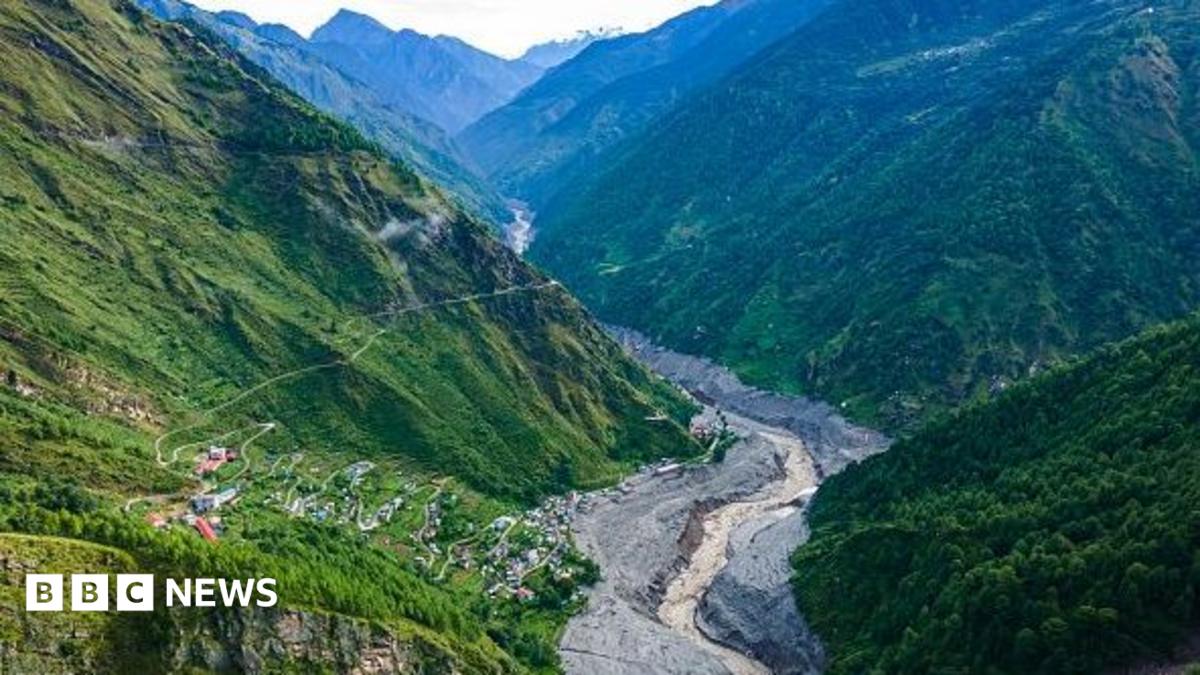
Geopolitical & Core Developments
Nepal has initiated high-stakes diplomatic overtures directed at India and China, seeking to unite the two Asian superpowers against an accelerating climate emergency across the Hindu Kush Himalaya. The mountain range, frequently referred to as the Third Pole, contains the largest reserve of frozen water outside the polar regions. Recent scientific assessments indicate that Himalayan glaciers could lose up to 80 percent of their current volume by the end of the century under high-emission scenarios.
Kathmandu finds itself caught geographically and strategically between New Delhi and Beijing, two nuclear-armed rivals with longstanding border disputes and competing regional influence. Despite the 2020 Galwan Valley clashes and ongoing strategic friction, Nepalese leadership argues that catastrophic environmental destruction supersedes territorial posturing. The melting of critical ice reserves directly feeds ten major transboundary river basins—including the Ganges, Indus, Brahmaputra, Yangtze, and Yellow rivers—which sustain approximately two billion people. Nepalese diplomats have consistently raised the necessity of establishing a shared ecological governance model during bilateral exchanges, positioning climate diplomacy as an existential imperative rather than a discretionary policy choice.
Global Trade & Economic Ripples
The economic stakes across South and East Asia are profound. The Himalayan river systems power massive agrarian corridors that drive global rice, wheat, and sugarcane output. Reduced water predictability threatens to cause severe production shortfalls, elevating global food commodity volatility and complicating food security across emerging markets. Furthermore, fluctuating river volumes present an immediate threat to transboundary industrial supply chains and manufacturing belts that rely heavily on consistent water access for cooling and operational utility.
Energy infrastructure represents another major vulnerability. Tens of billions of dollars have been invested in hydro projects across northern India, southwestern China, and Nepal. Flash floods, glacial lake outburst floods (GLOFs), and silt accumulation compromise reservoir capacity, disrupt domestic power grids, and threaten to curtail regional energy transitions. If these assets deteriorate, the affected states will likely depend more heavily on seaborne fossil fuel imports, potentially tightening global thermal coal and liquefied natural gas (LNG) markets. Meanwhile, recurrent natural catastrophes along vital trade corridors, including the Sino-Nepalese land routes and India-Nepal transit arteries, continue to escalate transport insurance premiums and undermine regional logistics networks.
International Reactions & Diplomatic Stances
Multilateral bodies have endorsed Nepal's diplomatic stance, even as sovereign capitals display cautious hesitation. The International Centre for Integrated Mountain Development (ICIMOD) has repeatedly warned that regional data-sharing on hydrological risks is dangerously fragmented due to national security sensitivities. United Nations agencies have commended Kathmandu's vision, urging both New Delhi and Beijing to decouple ecological preservation from bilateral defense disputes.
Official responses from India and China, however, reflect deep strategic skepticism. While Indian officials publicly champion global climate commitments through platforms like the International Solar Alliance, New Delhi remains deeply distrustful of joint multilateral mechanisms involving Beijing near contested border demarcations. Beijing has steadily expanded domestic environmental monitoring across the Tibetan Plateau but has traditionally favored strictly managed bilateral engagements over trilateral initiatives that might dilute its regional leverage. Market analysts emphasize that absent high-level political will, institutionalized data-sharing on river hydrology and early-warning telemetry will remain critically underdeveloped.
Strategic Outlook & Future Scenarios
The probability of a formal, legally binding trilateral climate compact between India, China, and Nepal remains modest in the short term. Lingering defense frictions, unresolved border demarcations, and mutual encirclement anxieties persistently constrain environmental dialogue. Nevertheless, informal technical collaborations and second-track diplomacy are expected to expand through multilateral forums such as the upcoming COP summits and UN disaster risk reduction conventions.
Should severe climate disruptions trigger catastrophic flooding or downstream drought crises in the coming years, political pressure on both Beijing and New Delhi to coordinate emergency responses will intensify. Without institutionalized flood monitoring, hydrological data-sharing, and joint ecological crisis-management protocols, the Himalayan corridor risks turning into a compounding epicenter of geopolitical volatility and ecological collapse.
Join Our Official WhatsApp Channel
Receive live commodity alerts, policy changes, and commercial intelligence directly on WhatsApp.