
Venezuelan Opposition Reaffirms Machado Leadership Amid Rising Crude Sanctions Pressure
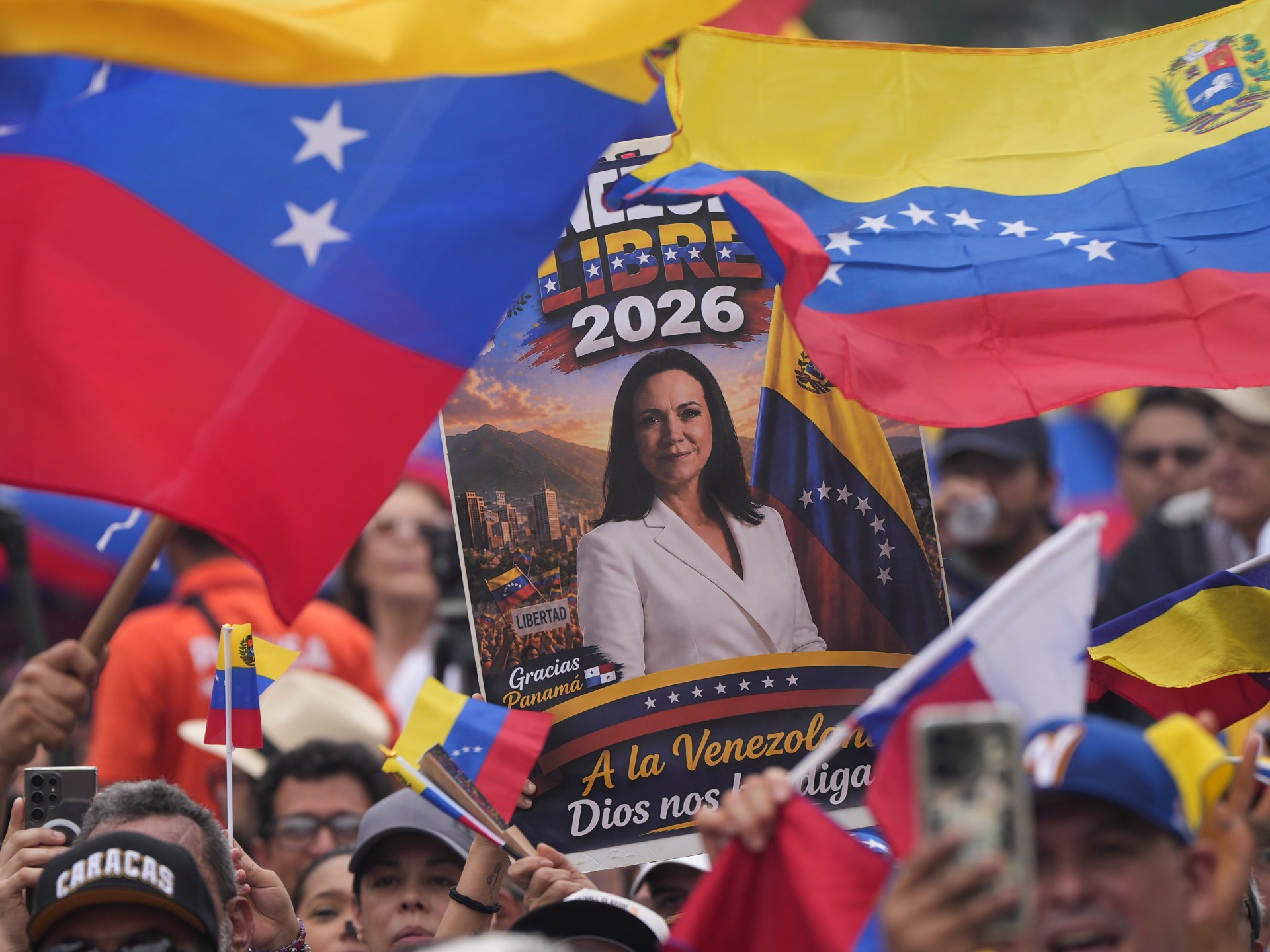
Venezuela's democratic opposition has reaffirmed Maria Corina Machado as its principal leader, urging fresh elections and escalating diplomatic friction over the country's energy sanctions framework.
Geopolitical & Core Developments
Venezuela's principal democratic opposition factions have formally consolidated their support behind Maria Corina Machado, reiterating her mandate as the legitimate leader of the country's pro-democracy movement. The declaration follows a period of protracted political deadlock following contested presidential elections, wherein the governing regime of Nicolas Maduro claimed victory despite widespread international condemnation and contested tallies published by opposition observers. Operating under severe state pressure and legal disqualifications orchestrated by Caracas, Machado's leadership reaffirmation signals an unyielding stance by the opposition, rejecting co-optation and pressing multilateral actors for verified democratic restoration.
The strategic consensus behind Machado solidifies the platform of the Democratic Unitary Platform (PUD), effectively closing ranks against splinter candidacies. Key opposition figures emphasized that political normalization remains impossible without transparent electoral mechanisms, international observation guarantees, and the release of political prisoners. By entrenching Machado at the helm, the opposition aims to sustain institutional pressure on the Maduro administration, utilizing bilateral diplomacy with Washington and European capitals to demand an internationally mediated transition pathway before the next official presidential term commences.
Global Trade & Economic Ripples
The deepening political standoff in Caracas directly impacts international energy balances, particularly in the market for heavy sour crude. Venezuela holds the world's largest proven oil reserves, yet its state-owned oil firm, Petroleos de Venezuela, S.A. (PDVSA), operates at a fraction of historic capacity due to underinvestment, structural mismanagement, and severe sanctions. The re-anchoring of opposition resistance complicates the operational landscape for Western energy majors, notably Chevron, Repsol, and Eni, which operate under strict US Treasury Department General Licenses.
Should the ongoing stalemate prompt the United States to revoke or tighten General License 41 and related waivers, roughly 200,000 barrels per day of heavy Venezuelan crude could be restricted from reaching US Gulf Coast refiners. Gulf refineries, designed specifically to process complex heavy feedstocks, would be forced to seek replacements from Western Canadian Select (WCS) or Mexican Maya blends, widening price differentials and increasing crack spread volatility for diesel and residual fuel oils. Furthermore, shadow fleet shipments destined for independent refining hubs in Shandong, China, face heightened maritime insurance and compliance scrutiny, disrupting illicit trade financing pipelines vital to Caracas.
Related Intelligence: US Synthetic Opioid Epidemic Fuels Transnational Supply Chain Tensions
International Reactions & Diplomatic Stances
International reactions have largely followed polarized geopolitical lines. The United States State Department reiterated its commitment to upholding democratic norms, warning that sanctions relief remains strictly conditional upon concrete, verifiable steps toward genuine democratic elections. European Union foreign policy representatives echoed these sentiments, declining to recognize the official election results and calling for unhindered political participation for Machado and her representatives.
In contrast, key allies of the Maduro administration, including Moscow, Beijing, and Tehran, condemned what they characterized as external interference in sovereign Venezuelan affairs. China continues to secure discounted crude shipments through convoluted intermediaries to satisfy state-backed loan repayments, while Russia maintains security advisory and geopolitical ties. Regional heavyweights such as Brazil and Colombia have adopted a calibrated diplomatic posture, urging dialogue to prevent regional migration flows from accelerating across South American borders.
Strategic Outlook & Future Scenarios
The immediate trajectory suggests an escalating geopolitical and commercial impasse. Washington faces a delicate trade-off between penalizing autocratic consolidation and mitigating domestic fuel price volatility ahead of key political cycles. A complete snapback of secondary energy sanctions remains a viable tool, which would push PDVSA further into non-dollar clearing mechanisms and illicit tanker networks.
Moving forward, international attention will center on upcoming multilateral forums, including the Organization of American States (OAS) and United Nations General Assembly side-sessions, where Machado's diplomatic envoys will push for widened targeted sanctions against regime officials. For commodity markets, the structural absence of Venezuelan heavy crude from regularized global supply chains will reinforce tight medium-term fundamentals, leaving energy logistics vulnerable to supply disruptions elsewhere in the Atlantic Basin.
Join Our Official WhatsApp Channel
Receive live commodity alerts, policy changes, and commercial intelligence directly on WhatsApp.