
Clandestine Sabotage Networks Inside Russia Threaten Infrastructure and Energy Logistics
Covert domestic sabotage operations coordinated with Ukrainian intelligence are expanding across the Russian Federation, disrupting key supply chains, rail infrastructure, and military logistics amid the ongoing war.
Geopolitical & Core Developments
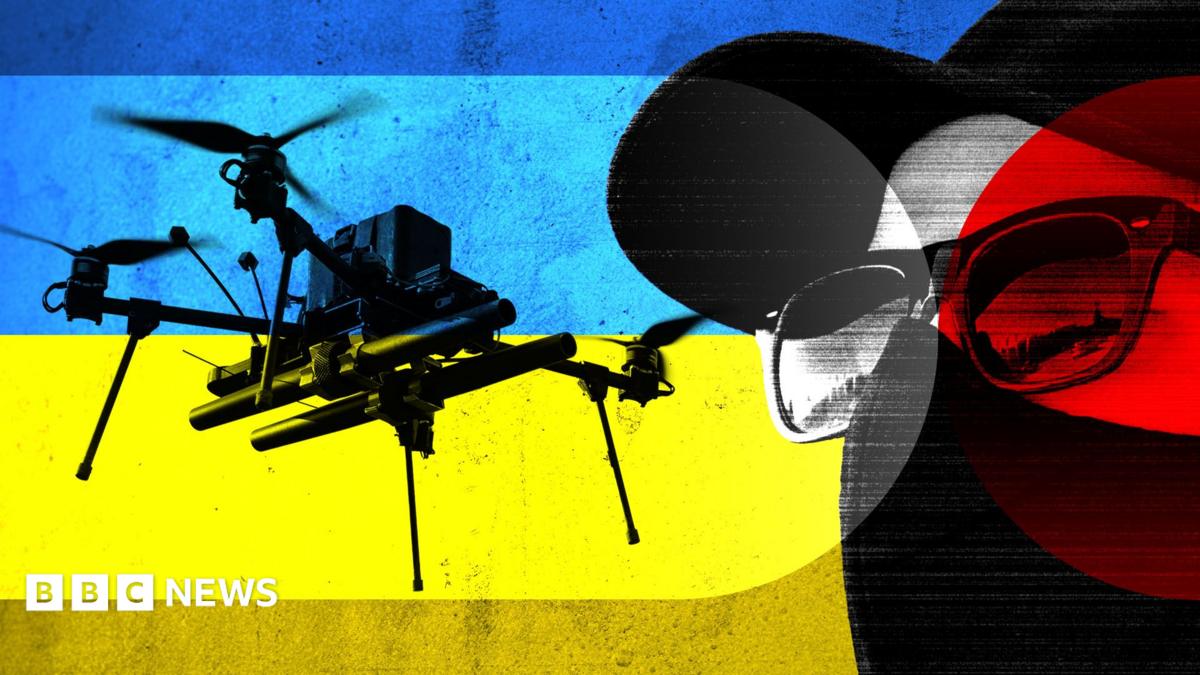
A protracted campaign of asymmetric warfare is intensifying deep within the borders of the Russian Federation. Operatives operating clandestinely within domestic civilian networks have stepped up sabotage actions aimed directly at critical transport, manufacturing, and energy nodes. According to testimonies from Russian nationals acting on behalf of Ukrainian military intelligence, small-cell networks are deploying low-cost incendiary tactics, cyber disruptions, and structural sabotage against state-run logistics. The targets are strategically chosen to impair the Russian Armed Forces' capacity to supply frontline units in eastern and southern Ukraine.
These operations underscore an evolving doctrine of hybrid warfare where state borders offer diminishing protection against decentralized insurgent tactics. For Ukraine's Main Directorate of Intelligence (HUR), utilizing local actors who blend into the domestic population reduces operational footprints while amplifying psychological pressure on the Kremlin. The incidents range from the destruction of automated railway relay cabinets along the Trans-Siberian and western rail corridors to targeted attacks on regional fuel depots and maintenance hubs. Moscow has responded with aggressive domestic counterintelligence measures, escalating surveillance, and charging suspects under treason and terrorism statutes, yet the decentralized nature of these cells continues to challenge state security apparatuses.
Global Trade & Economic Ripples
The commercial implications of sustained internal sabotage extend directly into global commodity movements and domestic transit stability. Russian Railways (RZD), an essential artery for raw materials, agricultural commodities, and crude derivatives headed toward Asian markets, faces rising friction. Sabotage of signal control cabinets and rail switches forces speed restrictions and manual routing, increasing transit times and operational costs for bulk freight traversing eastward corridors.
Furthermore, attacks aimed at downstream oil storage facilities and regional refinery distribution networks inject localized volatility into refined fuel supplies. While major export terminals along the Baltic and Black Seas remain heavily fortified, the insecurity of inland feeder pipelines and rail cars raises risk premiums for domestic logistics operators. Insurance rates for internal Russian cargo transits have steadily climbed, prompting state-aligned logistics firms to divert resources into private security and fixed-asset surveillance. In turn, structural disruptions within Russian heavy industry and transport networks threaten secondary supply chain delays for trading partners dependent on fertilizers, industrial metals, and non-sanctioned hydrocarbons.
Related Intelligence: Alberta Secession Debate Tests Canadian Unity and Energy Security
International Reactions & Diplomatic Stances
Official international responses to domestic sabotage remain tightly circumscribed, reflecting the delicate parameters of covert warfare. Western governments, including the United States and NATO member states, maintain a strict diplomatic posture emphasizing their support for Ukraine's sovereign self-defense while publicly distancing themselves from operational activities executed within Russia's internationally recognized 1991 borders. Western intelligence officials, speaking on background, acknowledge that internal disruption represents an organic and predictable expansion of asymmetric defense doctrines.
The Russian government, through the Federal Security Service (FSB) and the Ministry of Foreign Affairs, continues to frame domestic sabotage as state-sponsored terrorism orchestrated by Western intelligence agencies via Kyiv. Moscow has utilized these episodes in domestic messaging to justify broader crackdowns on civil liberties and harsher judicial penalties. Meanwhile, independent human rights monitors have raised concerns regarding the expanding definition of espionage and sabotage used by Russian authorities, which often ensnares internal political dissidents with minimal verifiable links to covert intelligence apparatuses.
Strategic Outlook & Future Scenarios
The trajectory of internal sabotage operations indicates an expanding operational theater. As conventional frontlines remain locked in attrition, Kyiv will likely continue utilizing cost-effective, decentralized methods to distract and exhaust Russian internal security forces. The geographic diffusion of these incidents—spanning from border regions like Belgorod and Kursk to central manufacturing districts in the Urals and Siberia—forces Moscow to disperse military and police assets away from active combat theaters.
In the medium term, anticipated scenarios point to heightened state control over national infrastructure, including the militarization of commercial logistics corridors and broader deployment of biometric surveillance. If internal disruptions successfully impact key export pipelines or major metallurgical rail lines, the resulting logistical drag could visibly weaken Russia's wartime economic resilience. The persistent threat of domestic vulnerability also compounds systemic risks for foreign multinational firms still liquidating assets or operating within shared infrastructure networks across Eurasia.
Join Our Official WhatsApp Channel
Receive live commodity alerts, policy changes, and commercial intelligence directly on WhatsApp.