
Venezuela Releases 39 Political Prisoners Following High-Stakes Interim Negotiations
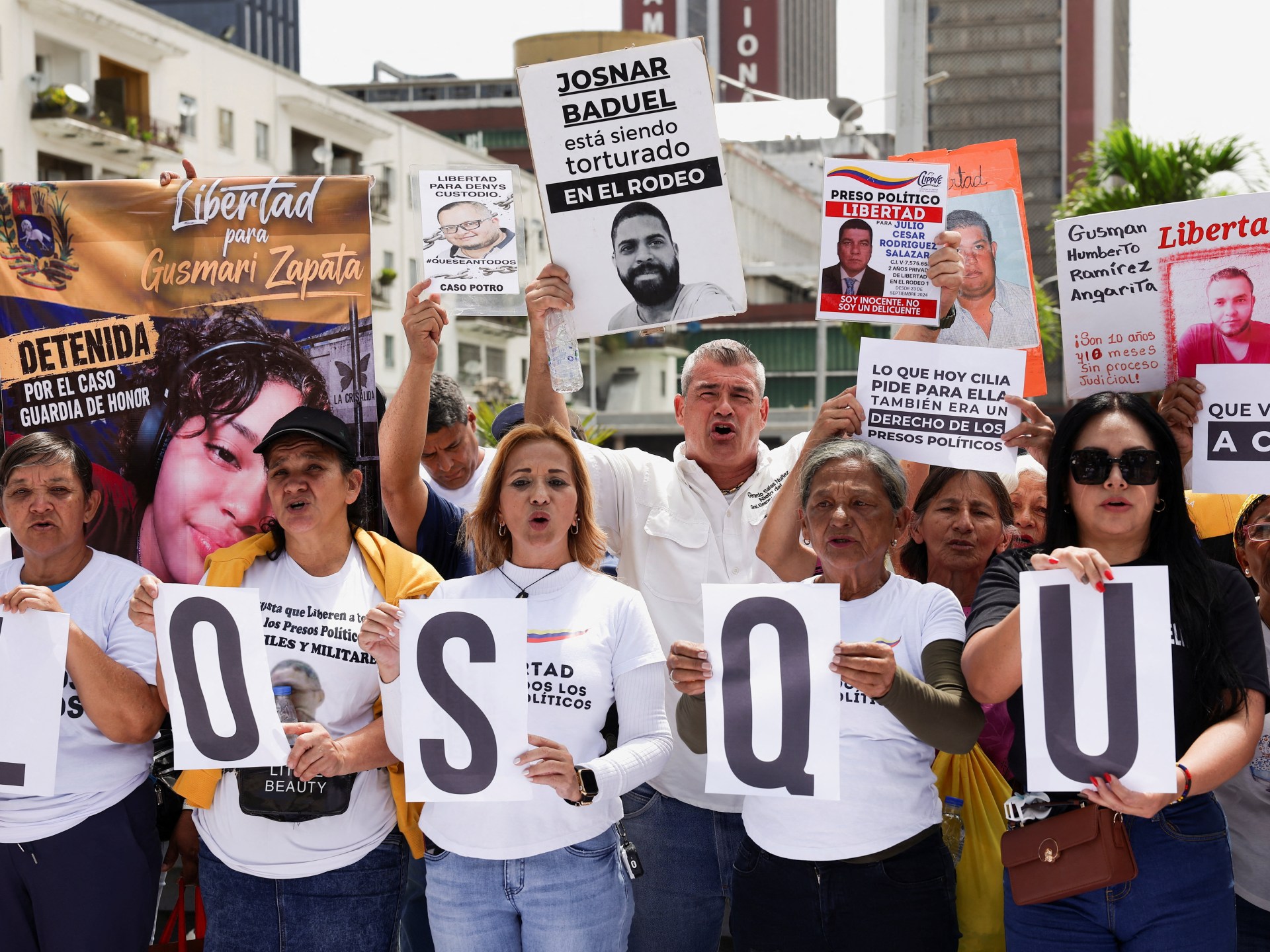
Venezuela's interim administration and opposition forces have agreed to release 39 political prisoners following intensive mediation, marking a crucial step toward stabilizing the sanction-hit South American nation and reviving its critical energy infrastructure.
Geopolitical & Core Developments
Venezuela has entered a delicate transitional phase following a second round of high-stakes negotiations between the interim government and fractured opposition factions. The breakthrough resulted in the immediate release of 39 political prisoners, a gesture intended to rebuild domestic trust and satisfy long-standing international preconditions for normalized diplomatic engagement. These talks represent the most substantive political dialogue since the departure of Nicolas Maduro, testing the fragile institutional mechanisms established to steer the country toward transparent democratic elections.
The negotiations, mediated by regional and international observers, focused heavily on the dismantling of authoritarian apparatuses and the reinstatement of constitutional guarantees. While the release of detainees has been welcomed as a humanitarian milestone, state actors and political analysts remain cautious. Deep-seated institutional divisions, the integration of exiled opposition leaders, and the restructuring of the national electoral council present immense logistical and political hurdles. The interim administration must navigate these complexities while maintaining internal security and managing expectations among a populace weary of protracted economic and political crises.
Global Trade & Economic Ripples
The political thaw carries profound implications for global energy markets and international trade. Venezuela sits atop the largest proven crude oil reserves in the world, yet decades of mismanagement, infrastructure decay, and stringent Western sanctions have crippled its export capacity. The prospect of political normalization and the gradual lifting of trade restrictions have immediately captured the attention of multinational energy corporations. Major refiners are closely monitoring the security of shipping lanes in the Caribbean and evaluating the technical feasibility of rehabilitating idled upstream extraction facilities.
Beyond petroleum, the broader macroeconomic landscape of the region hangs in the balance. Currency stabilization remains a paramount concern for foreign investors eyeing the Venezuelan bolivar and sovereign debt instruments. A predictable political climate could unlock frozen assets, revive agricultural supply chains, and re-integrate Venezuela into traditional Latin American trade blocs. However, market volatility is expected to persist in the near term as international commodity traders weigh the speed of potential regulatory rollbacks against the realities of severely degraded domestic infrastructure and logistics networks.
Related Intelligence: EU Unlocks Multi-Billion Aid Package to Stabilize Sub-Saharan Africa
International Reactions & Diplomatic Stances
Global capitals and multilateral organizations have responded to the prisoner releases with cautious optimism coupled with demands for deeper structural reforms. The United Nations human rights apparatus praised the move as a vital confidence-building measure while urging authorities to account for remaining detainees. Meanwhile, Washington and European Union representatives signaled that any comprehensive relief from economic sanctions remains strictly contingent upon irreversible democratic progress, freedom of the press, and verifiable electoral calendars.
Regional heavyweights, including Brazil and Colombia, have played an instrumental behind-the-scenes role in facilitating the dialogue, emphasizing the necessity of regional stability and migration management. Market analysts from major financial institutions note that while the diplomatic posture of Western nations is softening, institutional compliance will dictate the pace of capital inflows. Investors are demanding ironclad legal guarantees before committing multi-billion-dollar outlays to resurrect the nation's dormant hydrocarbon and mining sectors.
Strategic Outlook & Future Scenarios
As the interim government prepares for subsequent negotiating rounds, the trajectory of Venezuela remains fraught with strategic uncertainty. Upcoming multilateral summits will serve as critical barometers for international recognition and financial aid packages. Key escalation points include potential resistance from entrenched hardline factions within the state security apparatus and disputes over the management of state-owned oil revenues.
If the interim administration successfully institutionalizes democratic norms and sustains the momentum of prisoner releases, a phased reintegration into global commodity markets could reshape energy pricing benchmarks across the Western Hemisphere. Conversely, any relapse into authoritarian tactics or stalled negotiations would likely trigger renewed sanctions, deepening economic isolation and cementing protracted volatility across international supply chains.
Join Our Official WhatsApp Channel
Receive live commodity alerts, policy changes, and commercial intelligence directly on WhatsApp.