
Tunisian Flotilla Detention Sparks Diplomatic Crisis and Maritime Trade Anxiety
The detention of humanitarian activists in Tunisia has triggered an international outcry and heightened regional tensions, threatening broader Mediterranean stability and trade routes.
Geopolitical & Core Developments
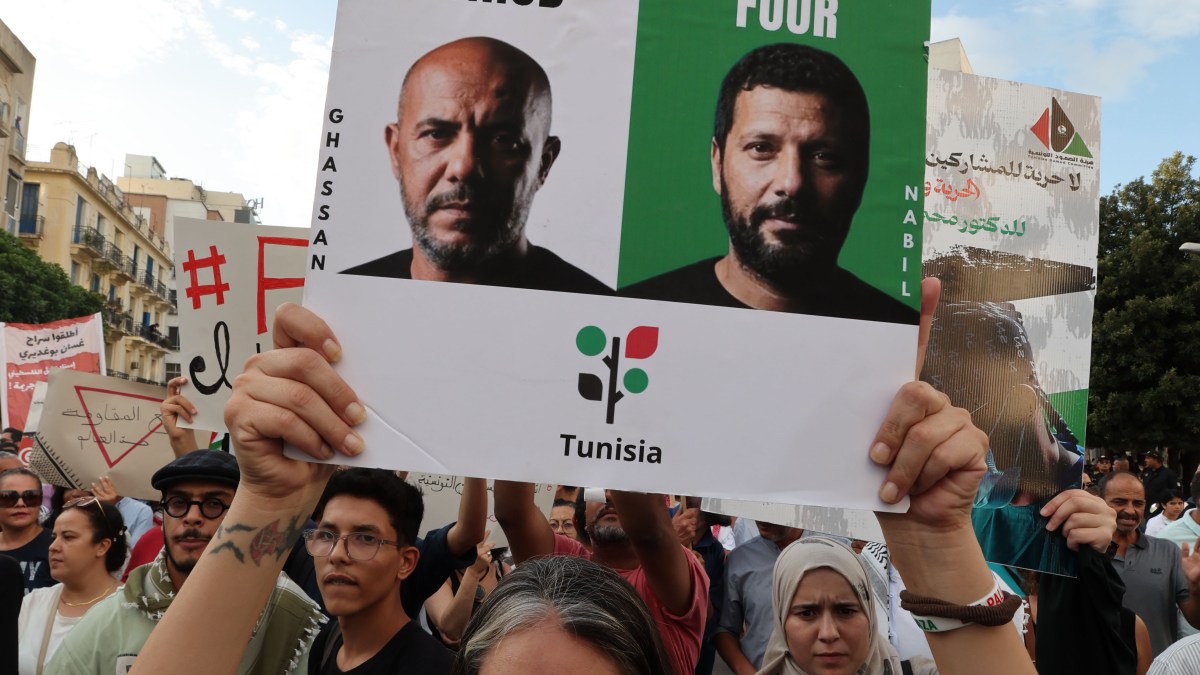
The ongoing detention of international humanitarian activists by Tunisian authorities has escalated into a significant diplomatic crisis, drawing intense scrutiny from human rights organizations and foreign ministries worldwide. The incident unfolded when maritime security forces intercepted a civilian flotilla attempting to deliver aid, leading to the immediate arrest of onboard personnel. As weeks of captivity stretch on, families of the detained individuals report mounting anguish amid conflicting official accounts regarding legal charges and due process. Reports of hunger strikes initiated by the activists to protest detention conditions have intensified pressure on Tunis, transforming a localized security enforcement action into a prominent flashpoint for international human rights diplomacy and regional governance debates.
Global Trade & Economic Ripples
While primarily a humanitarian and geopolitical concern, the Tunisian flotilla crisis carries subtle yet significant implications for Mediterranean commerce and regional economic stability. North African shipping lanes remain vital arteries for agricultural commodities, manufactured goods, and energy transshipments connecting Southern Europe with the African continent. Heightened security measures and naval patrols in the central Mediterranean, prompted by escalating political tensions, introduce potential friction for commercial maritime logistics. Insurance underwriters and freight forwarders are closely monitoring the situation for any signs of maritime policy hardening, which could marginally elevate operational costs and shipping transit times across strategic chokepoints.
Related Intelligence: EU Unlocks Multi-Billion Aid Package to Stabilize Sub-Saharan Africa
International Reactions & Diplomatic Stances
Multilateral bodies and foreign governments have begun voicing calibrated concerns over the welfare of the detainees and the legal transparency of the proceedings. The United Nations human rights office has urged Tunisian authorities to guarantee full medical access and legal representation for all detained individuals, emphasizing adherence to international humanitarian law. Meanwhile, European Union officials engaged in bilateral cooperation frameworks with Tunis find themselves navigating a delicate balancing act, weighing strategic migration and security partnerships against fundamental commitments to human rights and civil liberties. Commodity market analysts note that prolonged diplomatic friction between North African states and European partners could complicate broader economic cooperation agreements currently under negotiation.
Strategic Outlook & Future Scenarios
Looking ahead, the resolution of the flotilla standoff will likely hinge on behind-the-scenes consular negotiations and the willingness of Tunisian authorities to de-escalate through judicial leniency or expedited deportations. Failure to secure a diplomatic compromise risks hardening positions ahead of upcoming regional summits, potentially inviting targeted diplomatic reprimands or conditional reviews of foreign aid packages. For global markets and international observers, the crisis serves as a stark reminder of the fragility inherent in North African security corridors, where domestic policy enforcement can rapidly intersect with international trade stability and geopolitical alignment.
Join Our Official WhatsApp Channel
Receive live commodity alerts, policy changes, and commercial intelligence directly on WhatsApp.