
US and UK Complete Military Withdrawal from Iraq Ending Anti-IS Coalition
The final departure of US and UK coalition forces from Iraq marks the conclusion of a formal anti-Islamic State mission, reshaping regional security architectures and commercial risk assessments across the Middle East.
Geopolitical & Core Developments
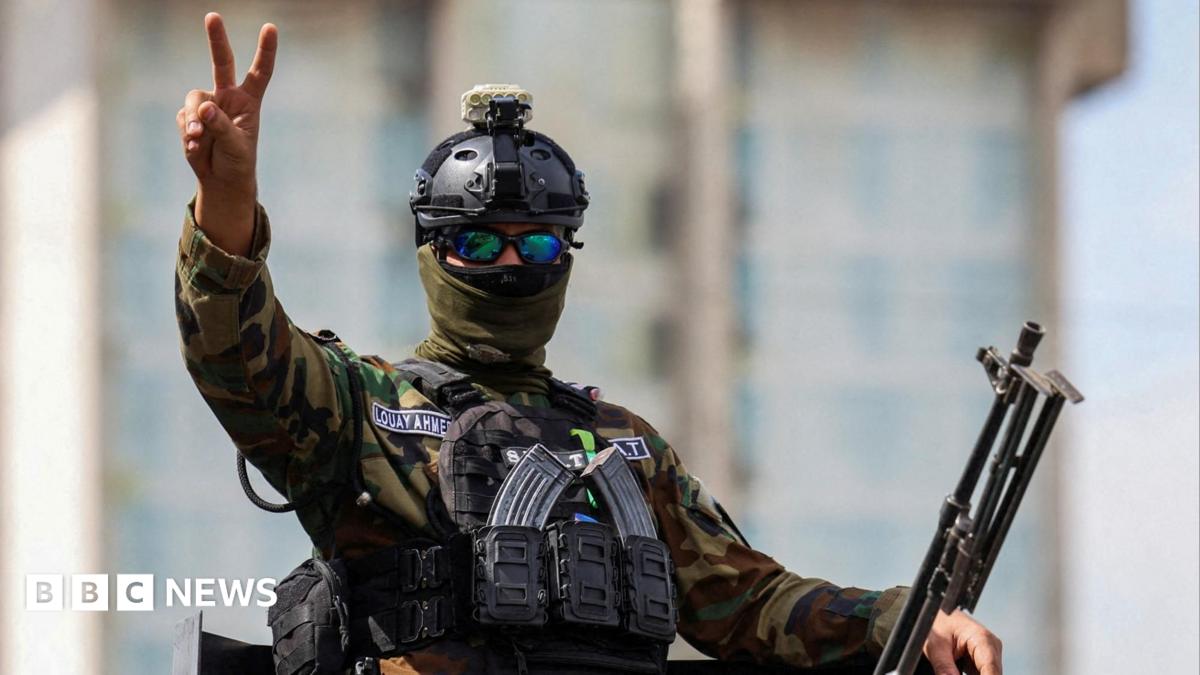
The final contingents of United States and United Kingdom military personnel have officially departed Iraq, bringing a definitive end to the formal international coalition mission against the Islamic State. This withdrawal, negotiated and finalized under a bilateral agreement established two years ago, responds directly to long-standing demands from the Iraqi government for full national sovereignty and the transition of security responsibilities exclusively to domestic armed forces.
Since the surge of the coalition in 2014, international forces have played a vital role in degrading the territorial control of militant groups across Iraq and neighboring Syria. The completion of this drawdown signifies a pivotal turning point in Middle Eastern geopolitics. While Iraqi security forces have demonstrated enhanced operational capabilities, regional analysts emphasize that the vacuum left by coalition intelligence, logistical, and air support will require careful management by Baghdad to prevent insurgent resurgence and mitigate proxy conflicts involving external state actors.
Global Trade & Economic Ripples
For global commodity markets and international shipping lanes, the operational closure of the coalition mission introduces a complex risk calculus. Iraq remains a cornerstone of global crude oil supply, producing over four million barrels per day, with the vast majority exported via southern maritime terminals in the Persian Gulf. International energy firms operating in the Kurdish region and southern fields have closely monitored the security transition.
While physical oil production infrastructure remains secure, sustained commercial confidence depends heavily on internal political stability. Any resurgence of asymmetric warfare targeting pipelines, refineries, or transport corridors could trigger immediate volatility in Brent crude benchmarks. Furthermore, foreign direct investment in infrastructure projects, logistics hubs, and reconstruction initiatives will be re-evaluated by multinational corporations balancing high-yield opportunities against heightened regional risk profiles.
Related Intelligence: Lebanese Prison Hunger Strike Deepens National Crisis and Regional Instability
International Reactions & Diplomatic Stances
Official responses from multilateral institutions and global capitals have underscored the historic nature of the transition. The United Nations has commended the cooperative framework between Baghdad and coalition members, pledging continued diplomatic and humanitarian support for Iraq's state-building efforts. Washington and London reiterated their commitment to maintaining bilateral diplomatic and economic ties with Iraq, emphasizing that the end of combat missions transitions relations toward normal state-to-state strategic partnerships.
Market analysts from leading financial institutions note that while Western governments maintain an over-the-horizon capability to assist Iraqi security forces if requested, the psychological impact of the withdrawal signals a reduced Western military footprint in the immediate Persian Gulf basin. Neighboring regional powers are actively recalibrating their diplomatic engagements with Baghdad to fill any perceived strategic voids.
Strategic Outlook & Future Scenarios
Looking ahead, the trajectory of post-coalition Iraq hinges on Baghdad's capacity to maintain internal political cohesion among sectarian factions and manage external geopolitical pressures. Upcoming bilateral summits between Iraqi leadership and regional neighbors will focus heavily on border security, economic integration, and joint counter-terrorism intelligence sharing.
Investors and risk management firms will monitor upcoming legislative sessions regarding hydrocarbon revenue sharing and foreign investment laws. Should political fragmentation occur, international markets could witness increased risk premiums on regional assets. Conversely, a stable transition will reinforce Iraq's position as a reliable trade partner and energy supplier within the global economy.
Join Our Official WhatsApp Channel
Receive live commodity alerts, policy changes, and commercial intelligence directly on WhatsApp.