
Iraq Declares New Era of Sovereignty Following US-Led Coalition Exit
Iraq marks a historic milestone as the US-led military coalition officially concludes its decade-long mission, paving the way for full national sovereignty and shifting regional security dynamics.
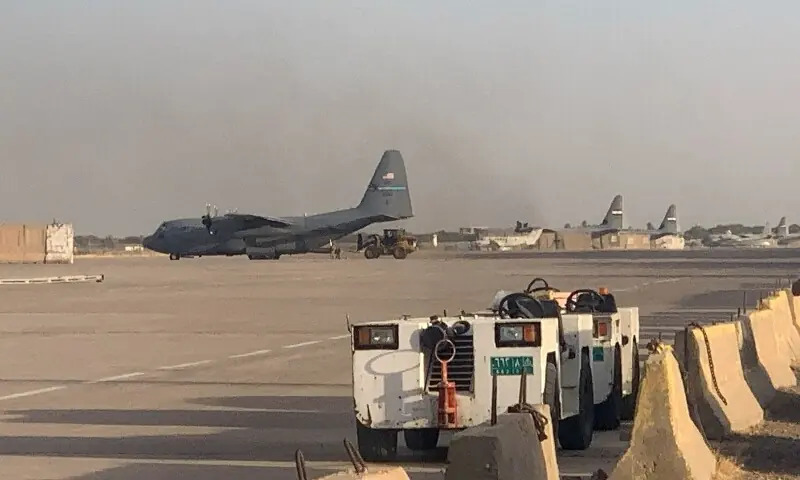
The Core Development
A decade after arriving to stem the territorial advance of militant forces, the US-led military coalition formally concluded its mission in Iraq on Wednesday. The formal wrap-up of operations marks a watershed moment for Baghdad, bringing an end to a deployment that began in 2014 when the Islamic State group seized vast swathes of Iraqi and Syrian territory, committing widespread atrocities and displacing millions.
Although territorial defeat of the militant group was declared in Iraq in 2017 and subsequently in neighboring Syria in 2019, coalition forces maintained an active presence to counter persistent underground remnants. Wednesday's announcement symbolizes a transition from international military intervention to bilateral security partnerships. Iraqi leadership hailed the development as the dawning of a renewed era of absolute national sovereignty, signaling Baghdad's growing self-reliance in managing internal security and territorial integrity.
Commercial & Economic Implications
For major trading nations such as Pakistan, geopolitical stability in the Gulf and broader Middle East remains intrinsically tied to energy security, trade logistics, and expatriate remittances. While the withdrawal of coalition forces is primarily a security and defense realignment, the stabilization of Iraq directly influences regional energy corridors and investor sentiment across West Asia.
Stability in oil-producing states prevents volatility in global petroleum benchmarks, which subsequently eases inflationary pressures on Pakistan's import-dependent energy bill. Furthermore, normalization and strengthened state authority in Iraq open prospective avenues for bilateral trade expansion, construction contracts, and engineering services, aligning with Kalyar Traders' ongoing assessment of emerging Middle Eastern commercial markets.
Related Intelligence: Gaza Strike Casualties Deepen Middle East Crisis and Supply Risks
Stakeholder Perspectives & Market Reactions
Regional stakeholders and international observers have offered mixed assessments of the transition. Iraqi political leaders have universally praised the exit as a vital assertion of national dignity and self-determination. Meanwhile, regional trade bodies and chambers of commerce are closely monitoring how the handover of security infrastructure will affect cross-border logistics, commercial transit routes, and foreign direct investment.
Financial markets have responded with cautious optimism, pricing in the assumption that Iraqi security forces can effectively deter insurgent resurgences without disrupting domestic economic output or critical infrastructure projects.
Forward Outlook & Key Watchpoints
As Iraq navigates this post-coalition landscape, key watchpoints for international analysts and business strategists include the operational readiness of Iraqi security forces, the bilateral security agreements replacing the coalition framework, and the broader geopolitical posture of neighboring powers.
Policymakers and commercial entities trading with or operating within the region must monitor potential shifts in regulatory frameworks, customs enforcement, and infrastructure investments as Baghdad assumes full administrative and military autonomy.
Join Our Official WhatsApp Channel
Receive live commodity alerts, policy changes, and commercial intelligence directly on WhatsApp.