
US Immigration Enforcement Escalates as Over 300,000 Visas Reportedly Revoked
United States authorities have reportedly revoked an unprecedented 300,000 foreign visas under a sweeping legal enforcement initiative, triggering structural concerns across global corporate mobility and diplomatic channels.
Geopolitical & Core Developments
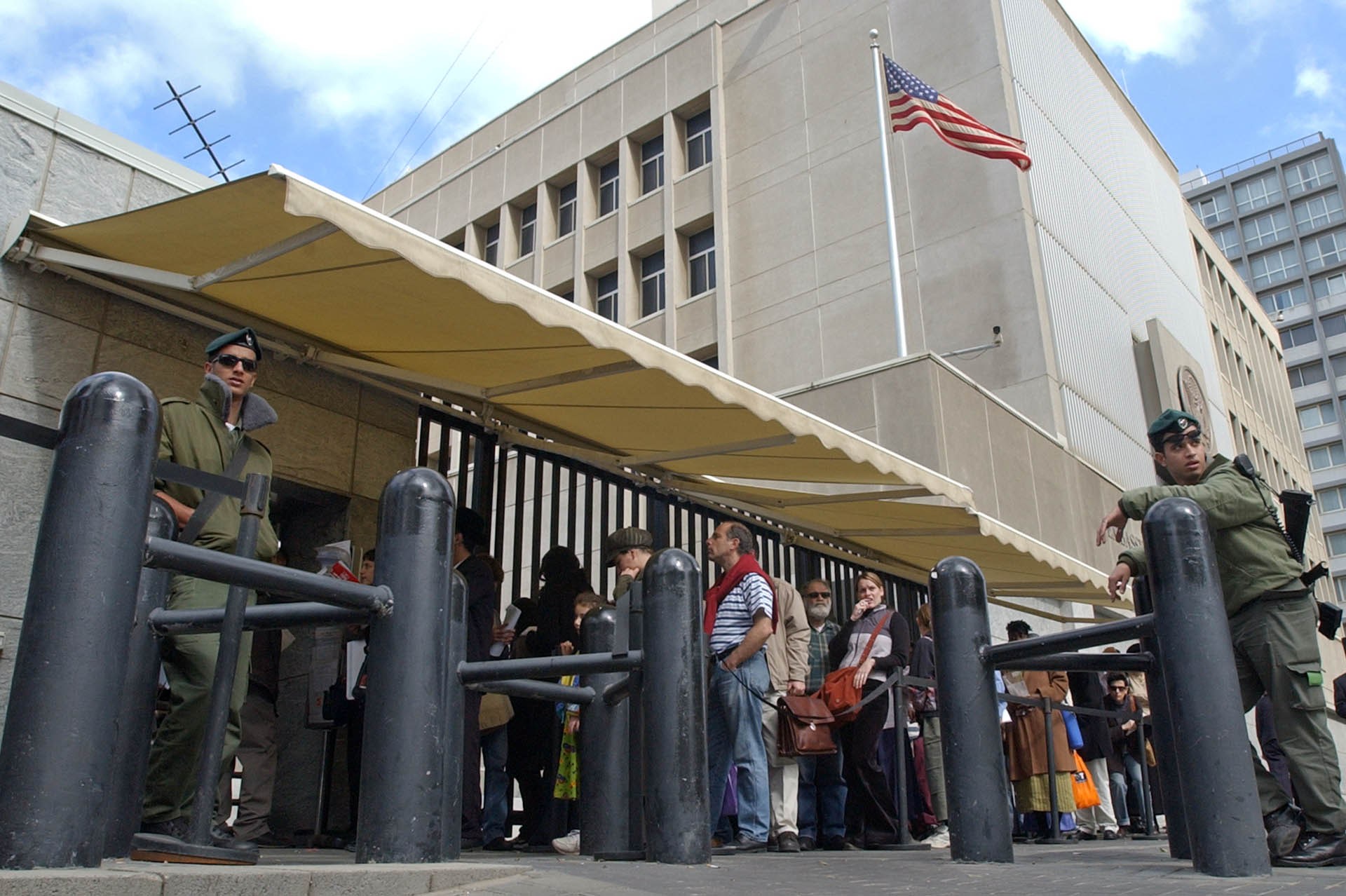
Federal immigration authorities in the United States have executed an unprecedented administrative campaign, revoking in excess of 300,000 foreign visas. According to statements delivered by a Trump administration official, the expansive action focuses on non-citizen visa holders who have allegedly violated federal, state, or municipal legal frameworks. This development represents one of the most substantial coordinated revocations of entry permissions in modern American administrative history.
Technically enacted through joint mechanisms involving the US Department of State and the Department of Homeland Security, the revocations span multiple nonimmigrant and provisional immigrant classifications. Envoys confirmed that foreign nationals identified across law enforcement databases—ranging from minor statutory infractions to serious criminal allegations—have had their legal travel authorizations cancelled proactively. The strategic timeline underscores a sharp departure from standard case-by-case adjudications, transitioning instead into rapid, automated algorithmic reviews of visa-holder registries against federal criminal databases. The shift reflects broader policy mandates prioritizing strict national security screening, tightened interior enforcement, and deterrence-based immigration governance.
Global Trade & Economic Ripples
The economic consequences of sweeping visa revocations extend deeply into transnational commerce, global labor supply chains, and multinational enterprise operations. The United States remains the central hub for foreign direct investment and technical professional mobility. Widespread cancellations of temporary employment, specialized business, and investor credentials generate administrative friction for cross-border engineering teams, corporate executives, and specialized agricultural operators.
Moreover, the higher education sector—a multi-billion-dollar contributor to the US service-export ledger—faces acute vulnerabilities. International student visas represent vital funding conduits for research institutions, whose disruption threatens capital allocations in advanced technology sectors. Financial markets have monitored the potential spillover into supply chain logistics, where cross-border technical personnel facilitate semiconductor development, aerospace engineering, and infrastructure projects. Corporate compliance officers are now expanding internal audit protocols to mitigate operational liabilities and avert sudden personnel detentions or entry denials at major international aviation terminals.
Related Intelligence: Maldives President Mohamed Muizzu Arrives in Pakistan for Bilateral Talks
International Reactions & Diplomatic Stances
The scale of the administrative action has triggered formal diplomatic inquiries from key foreign partners across Latin America, Asia, and Europe. Several foreign ministries have expressed apprehension regarding due process standards, administrative recourse, and the notification timelines granted to affected foreign nationals prior to direct entry revocation. Multilateral human rights organizations and consular advocacy bodies have urged federal authorities to guarantee institutional transparency, warning that unilateral cancellations risk violating administrative fairness protocols.
Market analysts and trade policy specialists note that the policy posture could prompt reciprocal diplomatic counter-measures. Historically, significant unilateral tightening of visa access invites mirror policies from trading partners, potentially complicating travel access for American corporate leaders and expatriate workers. In emerging markets, business associations have called for bilateral clarification talks, noting that arbitrary or poorly communicated cancellations could dampen direct investment flows and bilateral trade missions.
Strategic Outlook & Future Scenarios
The trajectory of US immigration governance indicates further operational tightening as automated screening mechanisms become standard across diplomatic posts and border entry checkpoints. Looking ahead, sovereign trade missions and international delegations will likely raise the issue during forthcoming bilateral trade and consular consultations.
In the near term, corporate entities operating within North American corridors must prepare for enhanced vetting criteria, lengthened processing cycles, and heightened compliance enforcement. Should the administration further expand revocation criteria to include broader administrative or regulatory infractions, the resulting uncertainty could drive high-skill talent and capital toward competitive jurisdictions, including the European Union, the United Kingdom, and Canada, realigning the structural geography of global professional migration.
Join Our Official WhatsApp Channel
Receive live commodity alerts, policy changes, and commercial intelligence directly on WhatsApp.