
US Political Realignment Shifts Global Trade and Diplomatic Calculus
The consolidation and ideological broadening of the America First movement signals a permanent structural shift toward economic protectionism, forcing global trading partners and commodity markets to recalibrate strategic dependencies.
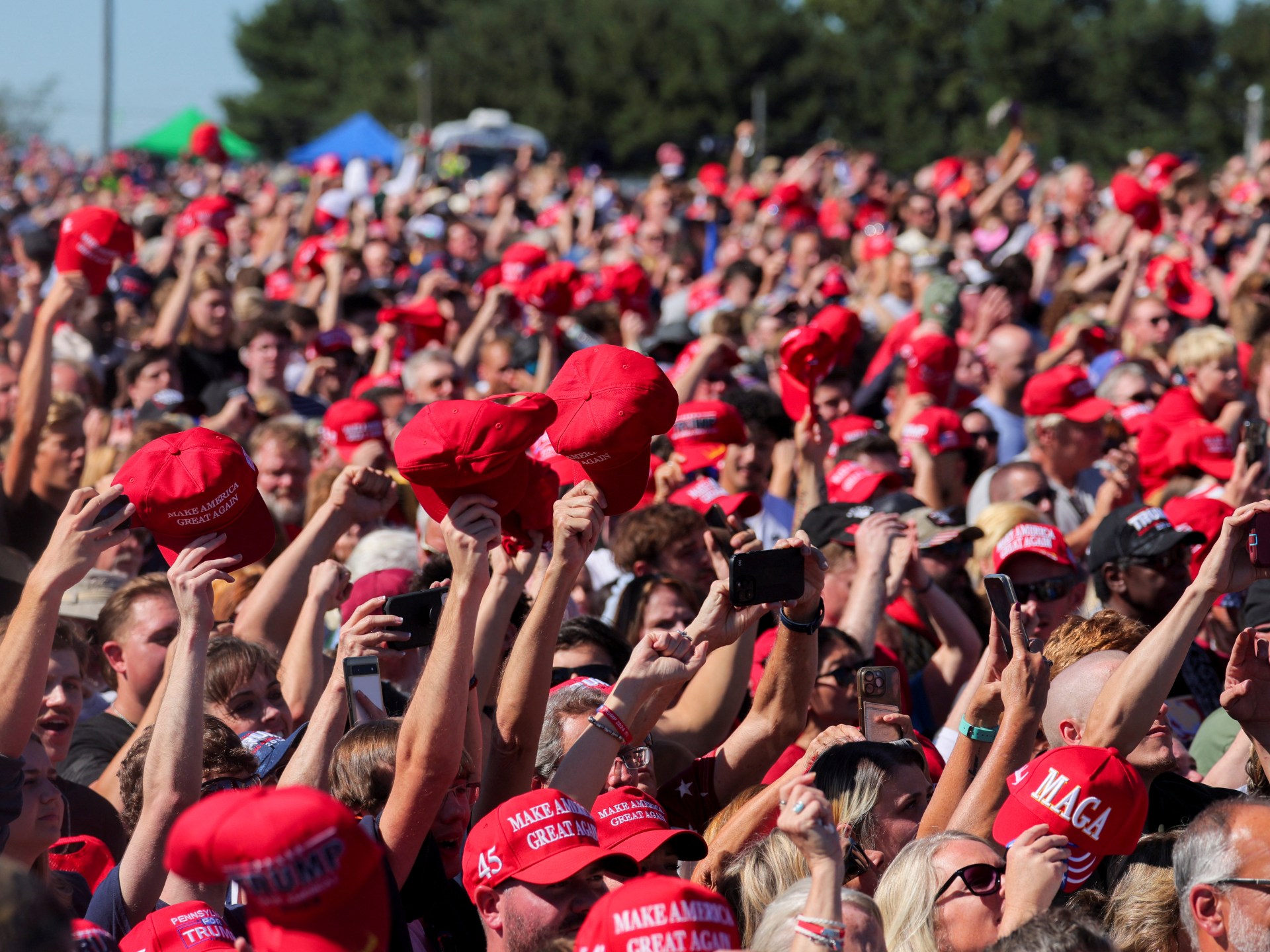
Geopolitical & Core Developments
The internal dynamics of the dominant populist-conservative movement in the United States, broadly categorized under the Make America Great Again doctrine, are undergoing a systematic recalibration rather than an ideological schism. Political analysts observe that current internal debates reflect an institutionalization process aimed at expanding the coalition's demographic and economic footprint. Rather than fracturing, the faction is refining its governing philosophy to cement an enduring imprint on American statecraft, national security posture, and foreign policy orientation.
This consolidation has profound implications for the global balance of power. At the core of this evolving doctrine is an explicit skepticism toward multilateral treaties, entangling international alliances, and open border regimes. As the movement expands its purview to integrate broader working-class coalitions and technological nationalists, traditional transatlantic and transpacific defense commitments are being scrutinized through a transactional lens. Sovereign states across Europe, East Asia, and the Middle East are closely monitoring the political cadence in Washington, recognizing that shifts in executive priorities will redefine bilateral security guarantees and geopolitical deterrence frameworks.
Global Trade & Economic Ripples
For international commerce and commodity markets, the stabilization and expansion of this political faction point to an era of heightened economic nationalism. The platform's emphasis on reshoring critical manufacturing, enacting punitive reciprocal tariffs, and decoupling strategic supply chains from systemic rivals poses structural challenges to global trade flows. Energy markets face particular volatility; an aggressive pivot toward domestic fossil fuel deregulation alongside hostility toward multilateral green financing disrupts long-term investment models for multinational energy conglomerates.
Global supply chains are already adjusting to the prospect of heightened tariff barriers on steel, aluminum, critical minerals, and advanced technology. Key shipping lanes through the Indo-Pacific and the Atlantic may see altered freight volumes as bilateral trade pacts replace comprehensive multilateral frameworks. Furthermore, currency markets face asymmetric pressures. Speculation over aggressive tariff regimes frequently induces volatility in the US Dollar Index (DXY), complicating debt-servicing requirements for emerging economies reliant on dollar-denominated sovereign bonds and agricultural import parity.
Related Intelligence: Fatal Incident at Canadian Military Base Sparks Global Supply Chain Concerns
International Reactions & Diplomatic Stances
Diplomatic corridors in Brussels, Tokyo, and Beijing have adopted a posture of guarded vigilance. European Union officials in Brussels have initiated contingency planning to fortify the bloc's trade defense instruments, seeking to insulate European industrial exporters from prospective US import duties. Leaders within the G7 and NATO member states have privately expressed concerns over the durability of long-term defense spending pacts and collective security protocols.
Concurrently, market strategists and multilateral financial bodies, including representatives linked to the International Monetary Fund and the World Trade Organization, have warned that sustained unilateral tariff policies risk fragmenting the rules-based international trade order. Conversely, nationalist leadership factions in select Latin American and Eastern European nations view the movement's consolidation as an ideological vindication, seeking to construct bilateral diplomatic conduits that bypass traditional multilateral forums.
Strategic Outlook & Future Scenarios
The trajectory of this domestic political realignment suggests that economic protectionism and strategic transactionalism have become permanent fixtures of the American legislative and executive landscape. In the medium term, global corporations must anticipate fragmented regulatory standards, escalated compliance scrutiny, and increased risk premiums across cross-border mergers and acquisitions.
Upcoming diplomatic gatherings, including the G20 summits and Asia-Pacific Economic Cooperation ministerial meetings, will likely serve as testing grounds for how global powers hedge against unilateral trade enforcement. If institutionalized further, the redefined doctrine will accelerate the formation of regional economic blocs, driving non-aligned economies in the Global South to deepen intra-regional trade ties and diversify reserve assets away from exclusive dollar reliance. The global trade architecture stands on the precipice of systemic fragmentation, where commercial success will depend entirely on strategic agility amid persistent geopolitical volatility.
Join Our Official WhatsApp Channel
Receive live commodity alerts, policy changes, and commercial intelligence directly on WhatsApp.