
US Policy Toward Myanmar Faces Strategic Recalibration Under Potential Trump Doctrine
Emerging diplomatic signals suggest a potential recalibration of US policy toward Myanmar, balancing human rights sanctions against commercial interests and critical mineral supply chains.
Geopolitical & Core Developments
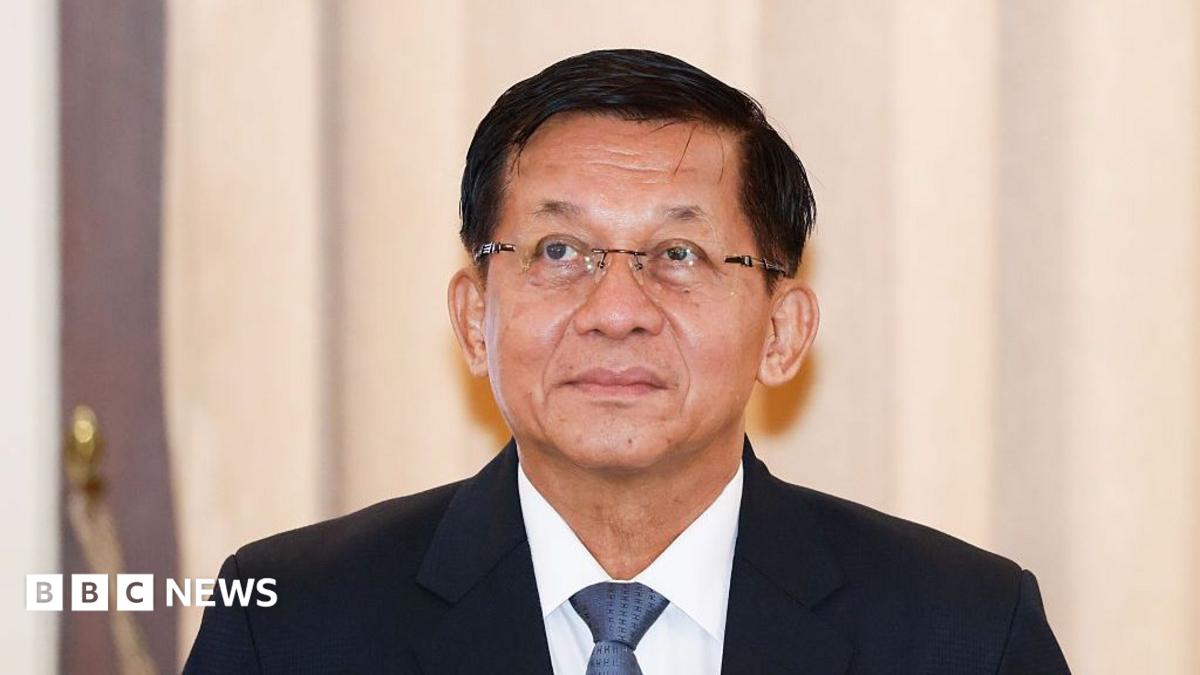
Speculation is mounting across international diplomatic corridors regarding a fundamental recalibration of Washington's posture toward Myanmar. Since the February 2021 military coup that ousted the democratically elected government, Myanmar has remained isolated by Western powers through rigorous financial sanctions, diplomatic downgrades, and asset freezes. However, strategic observers are closely monitoring potential policy shifts under Donald Trump, whose foreign doctrine historically prioritizes transactional bilateralism over ideological human rights promotion.
Myanmar occupies an indispensable geographic corridor connecting South and Southeast Asia, serving as Beijing's primary overland conduit to the Indian Ocean via the China-Myanmar Economic Corridor (CMEC). As Western sanctions severed Naypyidaw's access to dollar-clearing mechanisms and European markets, Myanmar drifted decisively into the commercial orbit of China and Russia. A prospective shift in US strategic thinking suggests Washington may seek alternative leverage points to prevent the total consolidation of Eurasian influence over the Bay of Bengal and Southeast Asia's critical waterways.
[Global Trade](/news/us-midterm-elections-geopolitical-impact-global-trade) & Economic Ripples
Any diplomatic thaw or selective easing of US sanctions carries massive commercial ramifications for international commodity flows and industrial supply chains. Myanmar accounts for a decisive share of global heavy rare earth mining—vital inputs for electric vehicle drivetrains, wind turbines, and defense electronics. Currently, the majority of Myanmar's rare earth extraction in Kachin State is refined and processed in China, creating an acute supply bottleneck for Western advanced manufacturing sectors.
Beyond critical minerals, Myanmar holds substantial reserves of natural gas in the offshore Yadana and Shwe fields, high-grade teak, and extensive agricultural acreage capable of supplying South Asian pulse and rice markets. If Washington were to move toward pragmatic commercial carve-outs or facilitate structured foreign direct investment in non-junta infrastructure, regional maritime shipping lanes through the Andaman Sea could witness heightened commercial traffic. Conversely, an inconsistent policy environment risks market volatility, unpredictable trade compliance risks, and complex currency settlement mechanisms for regional traders operating in Thai baht and Singapore dollars.
Related Intelligence: Kenya Health Crisis Sparks US Travel Advisory Amid Regional Trade Vulnerabilities
International Reactions & Diplomatic Stances
International responses to potential policy normalization remain deeply divided. The United Nations and human rights monitors have consistently urged global powers to intensify economic embargoes, specifically targeting aviation fuel supplies, defense materiel, and state-owned oil and gas revenues. European Union officials maintain strict targeted sanctions and have expressed skepticism toward unilateral Western engagement that could legitimize the ruling State Administration Council.
Within the Association of Southeast Asian Nations (ASEAN), member states remain split. Thailand, Laos, and Cambodia favor pragmatic economic integration and cross-border connectivity to manage migration and border trade, while Indonesia, Malaysia, and the Philippines advocate strict adherence to the Five-Point Consensus before granting diplomatic legitimacy. Market analysts note that multinational corporations remain highly risk-averse, hesitant to enter contractual negotiations without explicit regulatory exemptions and formal clearing authorizations from the US Department of the Treasury's Office of Foreign Assets Control (OFAC).
Strategic Outlook & Future Scenarios
The trajectory of US-Myanmar relations will largely hinge on whether Washington's national security apparatus decides that countering Chinese hegemony in the Indo-Pacific outweighs the reputational cost of engaging with Naypyidaw. One scenario envisions limited, transactional engagement focused strictly on securing non-Chinese mineral supply agreements and counter-narcotics cooperation along the Mekong basin, leaving overarching financial sanctions intact.
A secondary, more radical scenario involves selective sanctions relief tied to verifiable stabilization measures or managed electoral processes orchestrated by Naypyidaw. However, such an approach would trigger acute domestic political pushback in Washington and generate friction with traditional transatlantic allies. As global supply chains continue to bifurcate, Myanmar's critical raw materials and maritime positioning ensure it remains a contested geopolitical battleground, testing the limits of pragmatic Western foreign policy.
Join Our Official WhatsApp Channel
Receive live commodity alerts, policy changes, and commercial intelligence directly on WhatsApp.