
US Monitors Siberian Plague Lab Death Amid Bio-Security Concerns
Washington is closely monitoring the death of a laboratory technician at a Siberian plague research facility, raising international biosecurity concerns.
Geopolitical & Core Developments
The United States government has announced it is closely monitoring the situation surrounding the tragic death of a laboratory technician at a high-security plague research center in Siberia. The incident, which has sent ripples through international security and intelligence communities, highlights ongoing concerns regarding the safety protocols, containment measures, and operational transparency surrounding state-run biological research installations in the Russian Federation. State Department and intelligence officials in Washington have confirmed that they are utilizing diplomatic and scientific channels to gather verified data regarding the exact nature of the containment breach or medical emergency that led to the fatality.
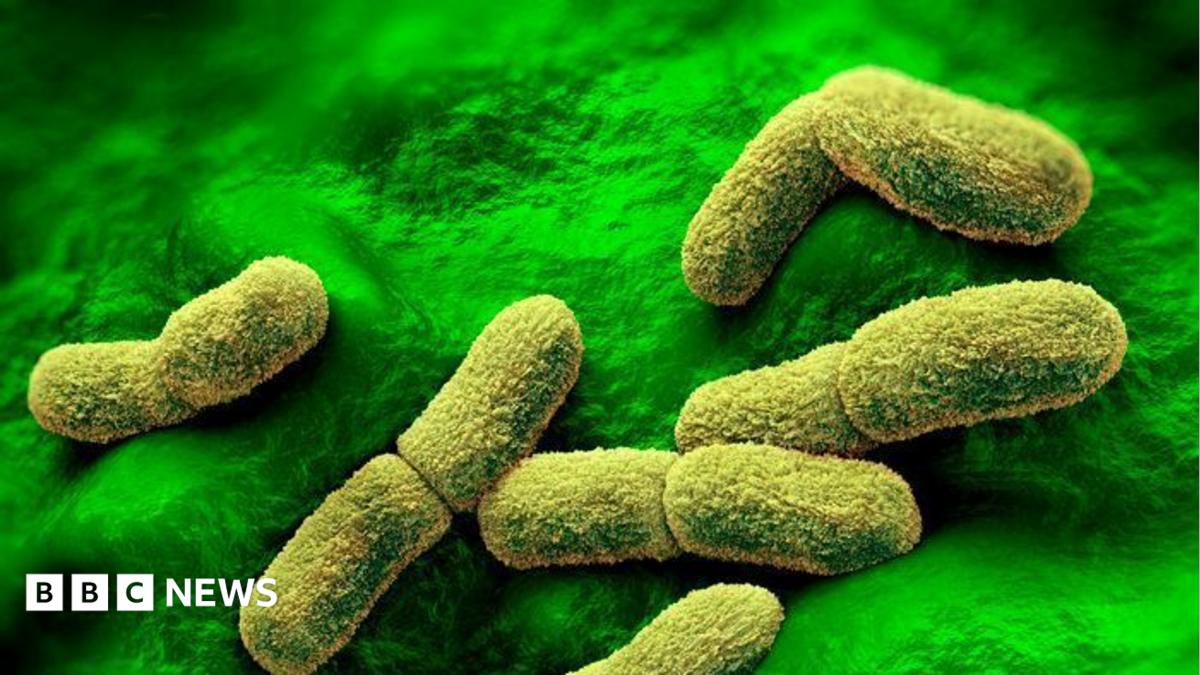
Historically, the facility in question operates within a tightly controlled network of former Soviet-era epidemiological research centers that handle exceptionally dangerous pathogens, including Yersinia pestis. The lack of immediate, detailed public disclosure from Moscow has historically amplified regional tensions, prompting Western intelligence agencies to independently verify whether any accidental pathogen release occurred. Strategic stakes are exceptionally high, as any verifiable breach of containment protocols not only threatens local populations but also revives dormant geopolitical anxieties over biological warfare preparedness, compliance with the Biological Weapons Convention (BWC), and the integrity of bilateral risk-reduction channels between nuclear-armed states.
Global Trade & Economic Ripples
While the immediate aftermath of the incident remains contained to diplomatic and security briefings, global commodity markets and international trade sectors are monitoring the situation for potential secondary economic shocks. In the event that this incident escalates into a broader international dispute or triggers emergency health restrictions, downstream impacts could affect international logistics, specialized pharmaceutical supply chains, and investor sentiment across the biotechnology sector. Commodity analysts note that any perception of elevated biological risk in major Eurasian transit corridors or research hubs can temporarily depress regional equity valuations and increase volatility in currency markets, particularly for the Russian ruble and associated emerging market currencies.
Furthermore, multinational supply chains dependent on Siberian transport arteries and industrial zones remain vulnerable to sudden regulatory clampdowns or heightened sanitary and phytosanitary inspections. Insurance underwriters and global shipping conglomerates are already reviewing risk assessments for personnel traveling or operating in proximity to high-containment biological facilities. Although direct disruptions to global energy exports, such as oil and natural gas pipelines traversing the region, have not materialized, market participants remain hyper-sensitive to any operational disruptions that could compound existing geopolitical friction points between Moscow and Western capitals.
Related Intelligence: Pentagon Halts Anthropic AI Use Following Supply Chain Risk Designation
International Reactions & Diplomatic Stances
Official responses from multilateral bodies and foreign capitals have reflected a cautious yet deeply concerned diplomatic posture. Representatives from the World Health Organization (WHO) have emphasized the universal necessity of absolute transparency and adherence to international biosafety standards when handling high-consequence pathogens. Meanwhile, statements from Western officials, including prominent remarks by United States lawmakers, stress that global health security requires unhindered international cooperation and immediate data-sharing during potential laboratory-acquired infections or containment failures.
Moscow has maintained that the incident was handled in strict accordance with national protocols, dismissing foreign expressions of concern as politically motivated interference. However, independent health analysts and international biosecurity experts argue that the opacity surrounding the investigation undermines global confidence. Multilateral organizations are facing renewed calls to establish more robust, independent verification mechanisms for high-containment biological laboratories worldwide to prevent accidental outbreaks from transforming into major geopolitical crises.
Strategic Outlook & Future Scenarios
Looking ahead, the trajectory of this diplomatic and security episode will likely depend on whether Moscow permits independent international observation or scientific auditing of the affected facility. In the absence of verifiable transparency, Western governments may consider targeted sanctions or enhanced export controls on dual-use laboratory equipment and biotechnological materials destined for Russian research entities. Upcoming international summits focusing on global health security and biodefense are expected to feature closed-door deliberations regarding stricter enforcement of laboratory safety standards.
As geopolitical polarization persists, incidents involving sensitive dual-use research facilities carry an outsized capacity for escalation. If diplomatic channels fail to establish a shared factual baseline, the event risks becoming another permanent fixture in the broader deterioration of bilateral relations. For global markets and international policymakers, the episode serves as a stark reminder of the fragile intersection between advanced scientific research, national security, and global economic stability.
Join Our Official WhatsApp Channel
Receive live commodity alerts, policy changes, and commercial intelligence directly on WhatsApp.