
Israel Faces Severe Diplomatic and Economic Isolation After Gaza Conflict
Three years of conflict in Gaza have triggered profound diplomatic and economic isolation for Israel, culminating in widespread international boycotts and strategic realignments across Asian markets.
The Core Development
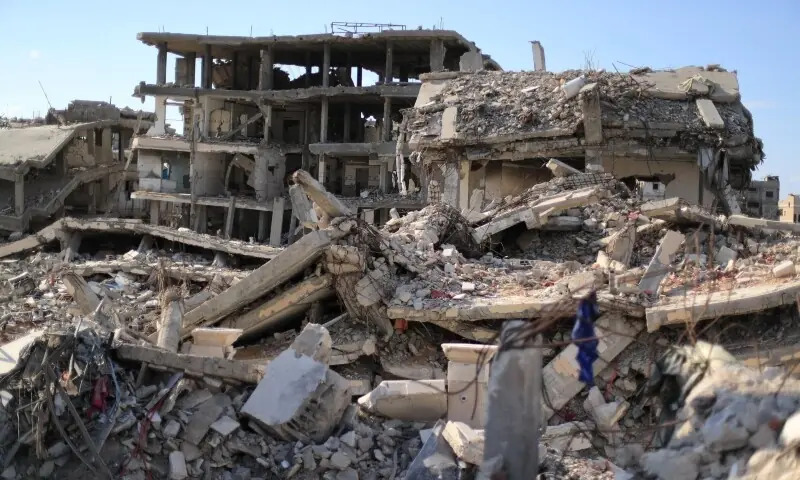
After three years of relentless military operations in Gaza that have resulted in tens of thousands of civilian casualties, Tel Aviv's diplomatic architecture has experienced unprecedented fractures. The most prominent manifestation of this deepening isolation occurred late last month during the United Nations General Assembly session in New York. As Israeli Prime Minister Benjamin Netanyahu took the podium, representatives from numerous nations staged a coordinated walkout.
The departing delegations notably included key Asian states—Pakistan, Malaysia, Indonesia, and Bangladesh—signaling a unified regional stance against Israeli state policies. This diplomatic snub reflects a broader deterioration of bilateral ties that historically maintained cautious engagement. The walkout was not merely symbolic; it underscored a hardening consensus across the Global South that normalisation frameworks cannot proceed in the face of ongoing humanitarian devastation in the Palestinian territories.
Commercial & Economic Implications
While the immediate crisis is geopolitical, the reverberations extend deeply into international trade, commodity markets, and supply chain networks impacting emerging economies, including Pakistan. Prolonged instability in the Middle East continues to exert upward pressure on global energy prices, freight insurance rates, and maritime logistics costs through the Red Sea corridor. For domestic markets in Pakistan, these macroeconomic shocks translate into persistent inflationary pressures on imported petroleum products, raw industrial materials, and essential consumer goods.
Furthermore, multinational corporations and regional wholesale distributors face heightened scrutiny regarding corporate social responsibility and supply chain transparency. Consumer boycotts targeting brands perceived to have ties with Israel have reshaped retail dynamics, prompting local businesses to pivot rapidly toward indigenous manufacturing and alternative import sources. This structural shift is altering domestic market shares and forcing retail distributors to recalibrate their inventory strategies to align with evolving consumer sentiments.
Related Intelligence: Yemeni Offensive Threatens Red Sea Trade Lanes and Houthi Supply Lines
Stakeholder Perspectives & Market Reactions
Major trade bodies, chambers of commerce, and retail associations in Pakistan have closely monitored these geopolitical developments. Industry leaders note that while supply chains have adapted to the disruptions caused by the broader Middle Eastern conflict, the climate of uncertainty continues to affect investor confidence. Legal experts and policy analysts emphasize that international trade patterns are increasingly dictated by geopolitical alignments, urging domestic enterprises to diversify their export destinations and source inputs from non-vulnerable corridors.
Official statements from foreign ministries across South and Southeast Asia have reinforced this economic and diplomatic decoupling. Business coalitions argue that structural shifts in consumer behavior are permanent rather than transitory, requiring retail and wholesale sectors to restructure their supply contracts to mitigate long-term reputational and financial risks.
Forward Outlook & Key Watchpoints
As the diplomatic freeze persists, analysts are focusing on several key indicators to gauge the trajectory of international trade and bilateral relations. Watchpoints include potential resolutions or enforcement actions within the United Nations, shifts in European trade policies regarding goods originating from contested territories, and the long-term viability of regional economic partnerships in Asia.
For businesses operating in Pakistan, navigating this environment requires agility, strict adherence to compliance standards, and proactive supply chain risk management. The ongoing reconfiguration of global alliances suggests that economic resilience will increasingly depend on regional integration and diversified trade frameworks that bypass traditional geopolitical choke points.
Join Our Official WhatsApp Channel
Receive live commodity alerts, policy changes, and commercial intelligence directly on WhatsApp.