
US Diplomat Marco Rubio Flags Foreign Actor in UK Airbase Security Breach
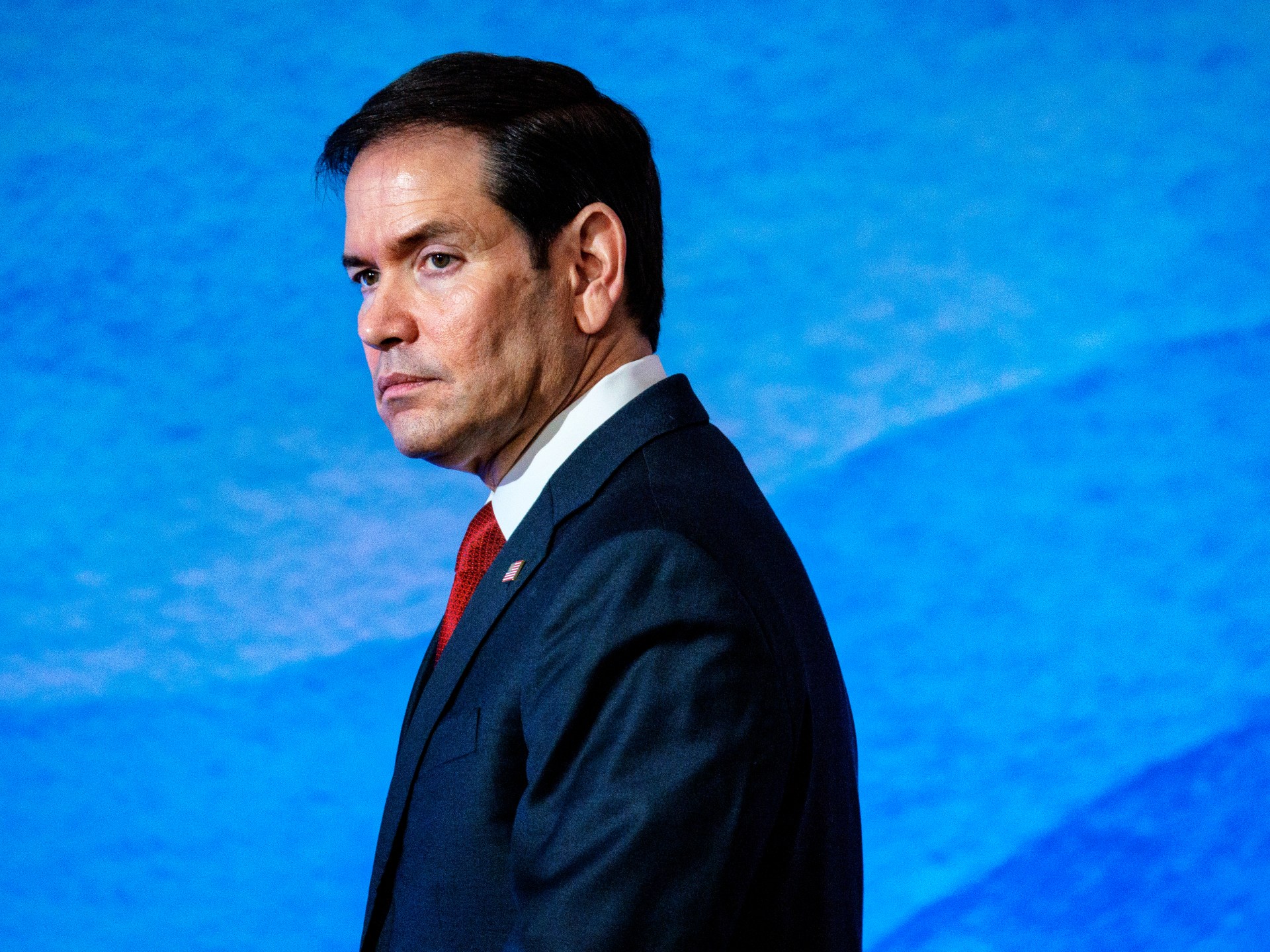
US top diplomat Marco Rubio warns of a serious foreign-backed security plot at a UK airbase following five weekend arrests.
Geopolitical & Core Developments
Washington and London are confronting a grave security escalation following high-profile arrests at a strategic United Kingdom airbase. United States Secretary of State Marco Rubio publicly characterized the incident as a highly calculated operation orchestrated by a hostile foreign actor, elevating tensions across transatlantic intelligence networks. The arrests of five suspects over the weekend sparked immediate emergency protocols across military installations throughout Western Europe. Intelligence agencies are currently conducting joint forensic and counterintelligence investigations to trace the origin of the breach, examining potential digital and physical compromises of sensitive defense infrastructure.
The involvement of a suspected foreign state actor transforms a domestic security infraction into a major international geopolitical crisis. Military analysts note that the targeted facility serves as a vital hub for coordinated surveillance, strategic reconnaissance, and logistical support for allied operations. The nature of the breach suggests advanced cyber-physical infiltration tactics, pointing toward sophisticated state-sponsored espionage rather than isolated criminal activity. As investigators parse intercepted communications and digital footprints, diplomatic channels between Washington and European capitals are working overtime to formulate a unified deterrence strategy against rising gray-zone aggression.
Global Trade & Economic Ripples
The security breach at a critical defense hub reverberates far beyond military circles, introducing fresh volatility into global commodity markets, shipping logistics, and international trade corridors. Energy markets and maritime insurance providers immediately recalibrated risk premiums following the announcement, reflecting heightened anxiety over potential disruptions to critical European supply chains and strategic transit routes. Critical infrastructure vulnerability remains a primary concern for institutional investors, who fear that escalating gray-zone conflicts could spill over into physical disruptions of energy pipelines, undersea communication cables, and commercial cargo hubs.
Furthermore, defense and aerospace equities experienced notable fluctuations as institutional traders re-evaluated corporate security expenditures and procurement timelines. Global supply chain integrity for high-tech manufacturing components faces renewed scrutiny, as governments contemplate sweeping regulatory overhauls for contractors operating near sensitive military zones. Shipping conglomerates are reviewing port security protocols across the North Sea corridor, anticipating stricter customs compliance and vetting procedures that could introduce friction into transatlantic trade flows.
Related Intelligence: Italy's Burqa Ban Proposal Stirs Domestic Tensions and Economic Uncertainty
International Reactions & Diplomatic Stances
International capitals have responded with profound concern and statements of solidarity with London and Washington. European Union defense ministers convened emergency consultations to evaluate continent-wide protective measures for dual-use civil and military infrastructure. NATO headquarters in Brussels issued a strongly worded communiqué condemning hostile foreign interference, emphasizing that allied defense systems remain resilient against asymmetric threats. Market analysts and geopolitical risk consultancies have intensified advisory briefings for multinational corporations operating within high-threat jurisdictions, warning of potential retaliatory economic measures.
Multilateral bodies are pressing for enhanced intelligence-sharing frameworks to counter covert operations targeting critical assets. While formal diplomatic protests are being prepared in foreign ministries across the alliance, officials are carefully calibrating their rhetoric to avoid precipitating an immediate military escalation while robust counter-measures are finalized. The unified posture adopted by Western allies signals an uncompromising stance against foreign interference, though consensus on specific economic sanctions remains under negotiation.
Strategic Outlook & Future Scenarios
Looking ahead, the incident at the UK airbase serves as a stark catalyst for accelerated defense modernization and tightened security protocols across the North Atlantic alliance. Upcoming bilateral summits between US and European defense officials will likely prioritize joint cybersecurity defenses, counter-espionage protocols, and infrastructure hardening. Governments are expected to announce substantial budget allocations for advanced perimeter surveillance, biometric access controls, and artificial intelligence-driven threat detection systems.
Geopolitical escalation points remain acute, with intelligence agencies warning of potential retaliatory cyber operations or further asymmetric provocations in the near term. The trajectory of this crisis will depend heavily on the definitive attribution of the foreign actor involved and the severity of the diplomatic and economic sanctions that follow. As global markets monitor developments closely, the episode underscores the fragile security architecture underpinning international commerce and strategic stability in an increasingly volatile multipolar world.
Join Our Official WhatsApp Channel
Receive live commodity alerts, policy changes, and commercial intelligence directly on WhatsApp.