
The Unfinished Business of Partition: Historical Echoes in Pakistan's Economy
Examining seven decades of archival records reveals that Pakistan's current economic and structural challenges are deeply rooted in historical cycles of the post-Partition era.
The Core Development
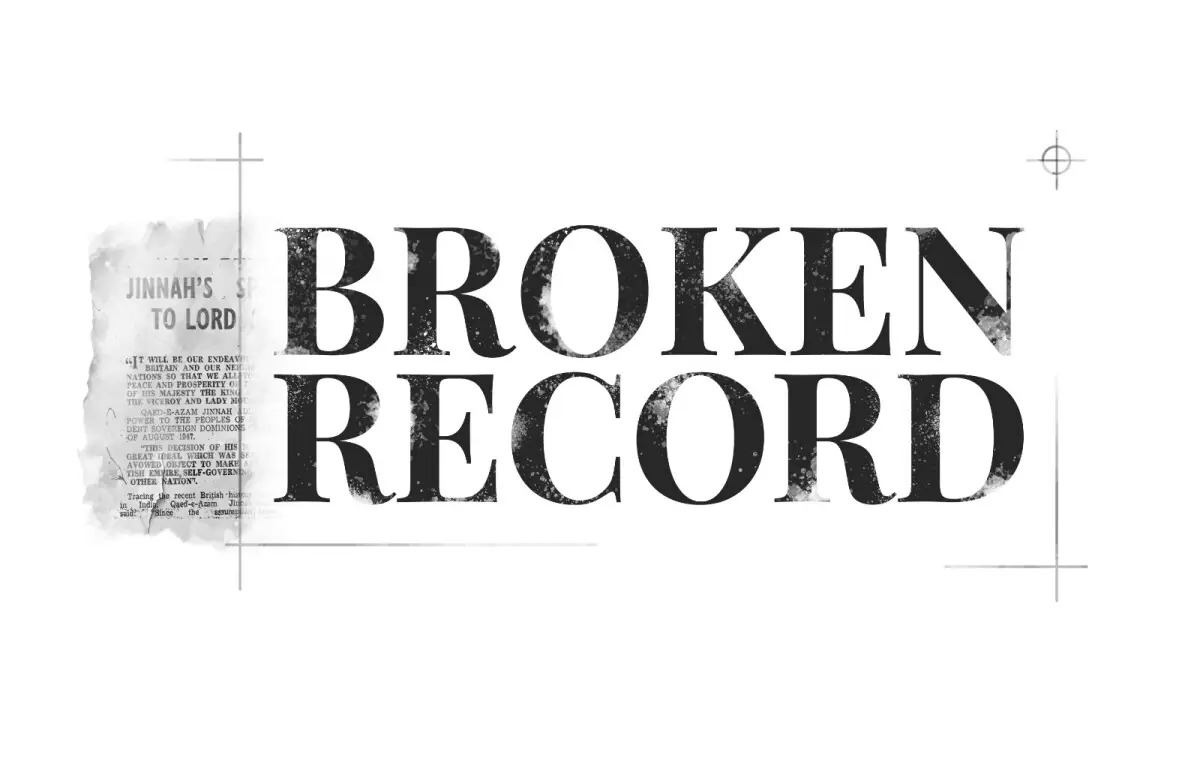
With the advantage of historical hindsight, analyzing the structural evolution of the Pakistani state offers critical insights into recurrent national crises. Drawing upon extensive archival records spanning over seven decades of back issues from the nation's premier publications, financial and policy analysts can systematically examine the major political, economic, and social trajectories that have shaped Pakistan since its inception in August 1947. Despite the passage of seventy-seven years, a persistent motif remains: the state and its polity frequently grapple with cyclical phenomena without instituting permanent structural corrections.
From the momentous front-page developments that heralded independence to the nuanced administrative reports tucked away in inside pages, the historical record documents a continuous struggle to consolidate institutional frameworks. The foundational years laid a complex administrative framework under immense geopolitical strain, leaving an indelible imprint on subsequent fiscal and governance models. By mapping these historical turning points against contemporary realities, economic analysts at Kalyar Traders observe that foundational bottlenecks—ranging from agrarian dependency to industrial bottlenecks—have evolved rather than dissipated.
Commercial & Economic Implications
For Pakistan's commercial landscape, wholesale distributors, and retail markets, the failure to break historical policy cycles translates directly into persistent market volatility. Price volatility, inflationary pressures, and supply chain bottlenecks are rarely isolated phenomena; rather, they represent modern manifestations of enduring structural vulnerabilities in domestic production and trade deficits.
Retail trade and consumer markets across Karachi, Lahore, and regional trade hubs continuously absorb the shock of macroeconomic instability. The inability to establish robust, self-sustaining industrial and agricultural supply chains leaves domestic markets exposed to global commodity shocks and currency depreciation. Consequently, everyday commercial operations face heightened transactional friction, squeezing profit margins for small and medium enterprises while dampening consumer purchasing power across urban and rural demographics.
Related Intelligence: Riyadh Airport Attack Escalates Gulf Conflict, Threatening Regional Trade
Stakeholder Perspectives & Market Reactions
Trader associations, industrial bodies, and financial analysts have consistently voiced concern over the persistence of archaic regulatory frameworks. Representatives from various trade chambers argue that modern commerce requires a decisive break from colonial-era administrative approaches and post-independence stopgap measures. Industry leaders emphasize that sustained economic growth hinges upon comprehensive tax reforms, transparent trade policies, and the modernization of regulatory oversight.
Legal and financial experts further contend that frequent policy reversals erode investor confidence. Public response, reflected through shifting consumer confidence indices and market sentiment, underscores a growing fatigue with short-term fiscal management. Stakeholders across the economic spectrum demand institutional continuity and evidence-based policymaking to safeguard commercial interests against recurrent macroeconomic turbulence.
Forward Outlook & Key Watchpoints
Looking ahead, navigating Pakistan's complex economic future requires an honest reckoning with historical precedent. Policymakers must prioritize structural reforms that address root causes rather than symptoms. Key watchpoints for the upcoming fiscal quarters include the enforcement of structural benchmark reforms, trade deficit stabilization measures, and the implementation of transparent regulatory frameworks designed to protect domestic commerce.
As archives continue to inform contemporary analysis, the trajectory of Pakistan's economy will depend heavily on the state's willingness to learn from past policy missteps. Establishing long-term institutional resilience remains imperative for fostering sustainable growth and ensuring stability for markets, businesses, and consumers nationwide.
Join Our Official WhatsApp Channel
Receive live commodity alerts, policy changes, and commercial intelligence directly on WhatsApp.