
Yemeni Forces Capture Mount Qarfan, Altering Red Sea Security Dynamics
Yemeni government forces have seized the strategic Mount Qarfan in Taiz, dismantling Houthi defensive architecture and altering military and commercial security calculations along the vital Red Sea trade corridor.
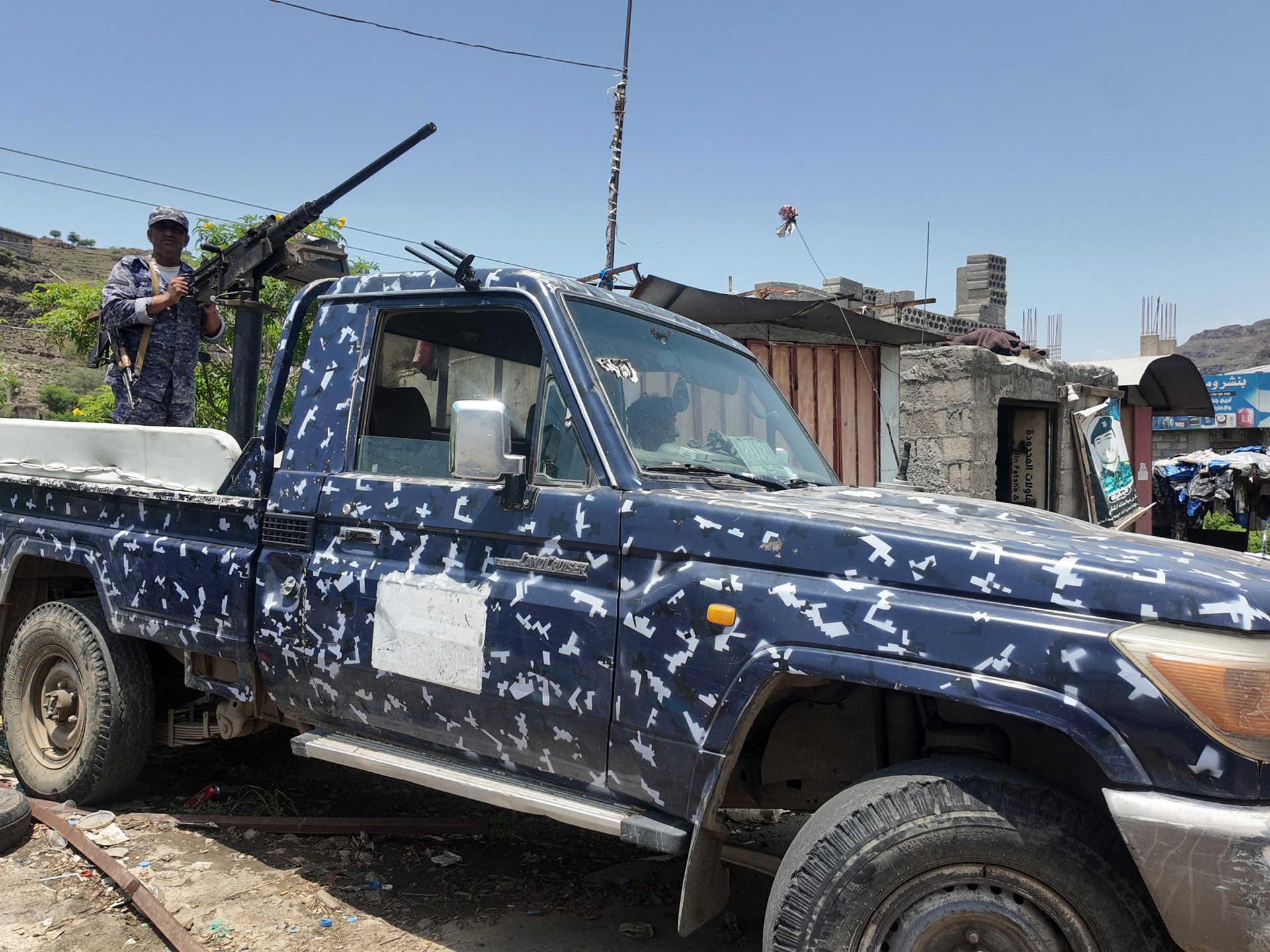
Geopolitical & Core Developments
In a significant tactical shift on the Yemeni battlefront, internationally recognized government forces have successfully seized control of Mount Qarfan, a commanding elevation situated within the contested southwestern province of Taiz. This military development marks a crucial inflection point in a protracted civil conflict that has fundamentally destabilized the Arabian Peninsula. Mount Qarfan serves as a vital geographic linchpin; its high ground overlooks critical supply routes and provides a commanding field of fire over surrounding territory.
The capture of the mountain directly fractures deeply entrenched Houthi defensive perimeters that have held firm for years, frustrating government advances and maintaining continuous pressure on the densely populated urban center of Taiz. By neutralizing this key tactical stronghold, allied government forces have effectively blunted Houthi logistical networks, isolating forward positions and severely impairing their capacity to project offensive momentum toward the strategic Red Sea coastline. Military analysts note that this operation demonstrates an enhanced level of coordination and tactical initiative by government units, potentially signaling a broader recalibration of military strategy amid fragile, sputtering peace negotiations.
[Global Trade](/news/hidden-costs-regional-conflict-global-trade-security) & Economic Ripples
The escalation and shifting control points in Taiz carry immediate, profound implications for global trade, maritime commerce, and international energy markets. The Bab el-Mandeb strait, located adjacent to Yemen's western coastline, is a critical global economic artery through which a substantial percentage of international oil shipments, liquefied natural gas (LNG), and containerized cargo transit between the Indian Ocean and the Mediterranean Sea via the Suez Canal.
Persistent hostilities along the Red Sea littoral have long forced commercial maritime operators to price in elevated security risks, driving up war-risk insurance premiums and forcing some fleet operators to consider longer, more costly detours around the Cape of Good Hope. While the consolidation of government positions near Taiz and the disruption of Houthi coastal threats could theoretically stabilize maritime transit over the medium term, the immediate aftermath of offensive operations introduces heightened volatility. Commodity traders, energy conglomerates, and shipping lines remain on high alert, closely monitoring whether the territorial gains will translate into enduring security guarantees for commercial vessels or trigger retaliatory asymmetric strikes against critical energy infrastructure.
Related Intelligence: Category 5 Hurricane Polo Threatens Mexican Coast and Energy Supply Chains
International Reactions & Diplomatic Stances
International bodies and diplomatic missions have responded to the offensive with measured caution, balancing the imperative of de-escalation with the recognized need to counter disruptive insurgent activities. The United Nations Special Envoy for Yemen has reiterated calls for strict adherence to existing truce frameworks, emphasizing that military escalation risks derailing delicate back-channel diplomatic efforts aimed at establishing a comprehensive, inclusive political settlement.
Major regional powers and Western capitals are closely evaluating the operational shift in Taiz. While official statements from multilateral organizations continue to advocate for a negotiated political settlement under UN auspices, defense attachés and intelligence analysts are assessing how alterations in the territorial balance of power will influence future peace talks. The overarching international consensus remains that sustainable maritime security in the Red Sea cannot be achieved through military containment alone, but requires a durable, nationally owned political resolution that addresses the root governance and security grievances of the Yemeni population.
Strategic Outlook & Future Scenarios
Looking ahead, the capture of Mount Qarfan sets the stage for a critical phase in the Yemeni conflict and regional security architecture. In the near term, government forces must fortify their newly acquired positions against anticipated counter-offensives, while Houthi leadership faces the strategic necessity of recalibrating their defensive posture across the southwestern front.
For international commerce and global shipping conglomerates, the future trajectory hinges on whether government consolidation in Taiz can successfully push insurgent artillery and missile assets out of range of international shipping lanes. Upcoming diplomatic summits and ministerial meetings are expected to address Red Sea security architecture, integrating counter-piracy, naval coalition patrols, and localized ceasefires into a unified framework. However, until a verifiable, comprehensive cessation of hostilities takes root, global commodity markets and maritime supply chains will continue to operate under a cloud of geopolitical uncertainty, acutely sensitive to every tactical shift on the rugged terrain of Yemen.
Join Our Official WhatsApp Channel
Receive live commodity alerts, policy changes, and commercial intelligence directly on WhatsApp.