
US Imposes Crippling Sanctions on International Criminal Court
Washington enacts sweeping financial sanctions against the International Criminal Court, intensifying a bitter diplomatic conflict following a controversial Nobel Peace Prize award.
The Core Development
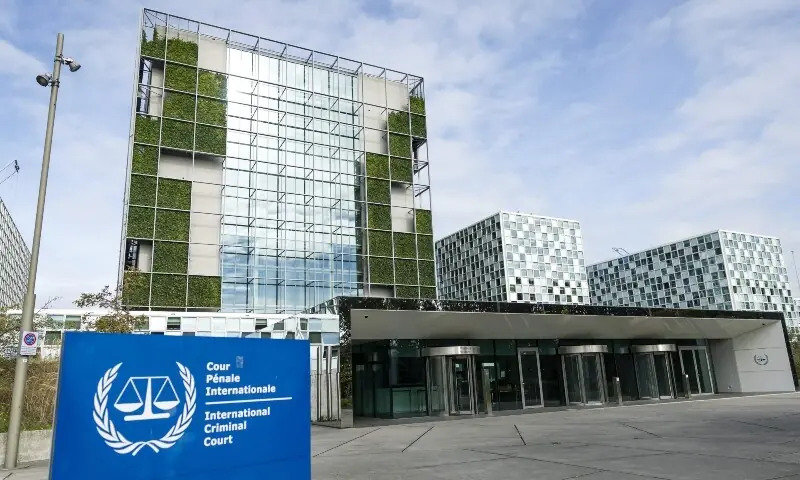
The United States government formally instituted sweeping financial sanctions against the International Criminal Court (ICC) on Friday, escalating a high-stakes diplomatic and legal confrontation. Announced by US Secretary of State Marco Rubio, the punitive measures target the Hague-based tribunal with absolute transaction bans and asset freezes, vowing to structurally cripple its global operations. This dramatic escalation occurred merely hours after the Norwegian Nobel Committee announced its decision to award the 2026 Nobel Peace Prize to Navi Pillay, an 85-year-old South African jurist and former ICC judge who previously headed the UN commission investigating the Gaza conflict and the Rwanda genocide tribunal. The timing of the sanctions underscores deep ideological rifts between Washington and international judicial bodies, particularly over the court's jurisdiction regarding non-member states and ongoing geopolitical conflicts in the Middle East and Africa.
Commercial & Economic Implications
While the direct jurisdiction of the ICC is judicial rather than commercial, the imposition of broad US sanctions against an international judicial organ introduces profound systemic risks to global trade compliance, legal risk management, and financial markets. For emerging economies and trading hubs like Pakistan, heightened geopolitical fragmentation and the weaponization of financial sanctions create severe volatility in currency markets, commodity pricing, and foreign exchange reserves. Wholesale distributors and major import-export enterprises face escalating compliance burdens as international financial institutions navigate conflicting regulatory frameworks between US jurisdiction and multilateral legal frameworks. Furthermore, prolonged institutional friction between Western superpowers and international regulatory bodies directly impacts investor confidence, sovereign risk premiums, and international trade financing costs across developing markets.
Related Intelligence: West Bank Violence Threatens Regional Stability and Agricultural Supply Chains
Stakeholder Perspectives & Market Reactions
International legal bodies, human rights organizations, and various foreign ministries have voiced profound alarm over the US administration's aggressive posture, warning that financial sanctions against judicial officers undermine the global rule of law. Conversely, proponents of the executive action within Washington defend the measures as a necessary defense of national sovereignty against what they characterize as overreach by an unbending international tribunal. Domestic trade associations and financial analysts in Pakistan continue to monitor the fallout closely, expressing concern that sustained international polarization could disrupt global supply chains, exacerbate inflationary pressures on essential imports, and complicate bilateral trade agreements dependent on stable international regulatory norms.
Forward Outlook & Key Watchpoints
As the ICC scrambles to assess the operational and financial viability of its ongoing investigations under strict US asset freezes, legal scholars anticipate immediate challenges in international courts. Key watchpoints for global financial markets and policy observers include the potential expansion of secondary sanctions against allied nations cooperating with the tribunal, retaliatory diplomatic measures from European Union members supporting the court, and the immediate impact on multilateral trade negotiations. Stakeholders across the commercial and legal sectors must closely track compliance updates from international banking institutions as enforcement mechanisms take effect in the coming weeks.
Join Our Official WhatsApp Channel
Receive live commodity alerts, policy changes, and commercial intelligence directly on WhatsApp.