
US Homeland Security Defends NYC ICE Shooting Amid Political Fallout
The US Department of Homeland Security defended an ICE shooting in New York City, sparking fierce local protests and sharp condemnation from Mayor Zohran Mamdani.
Geopolitical & Core Developments
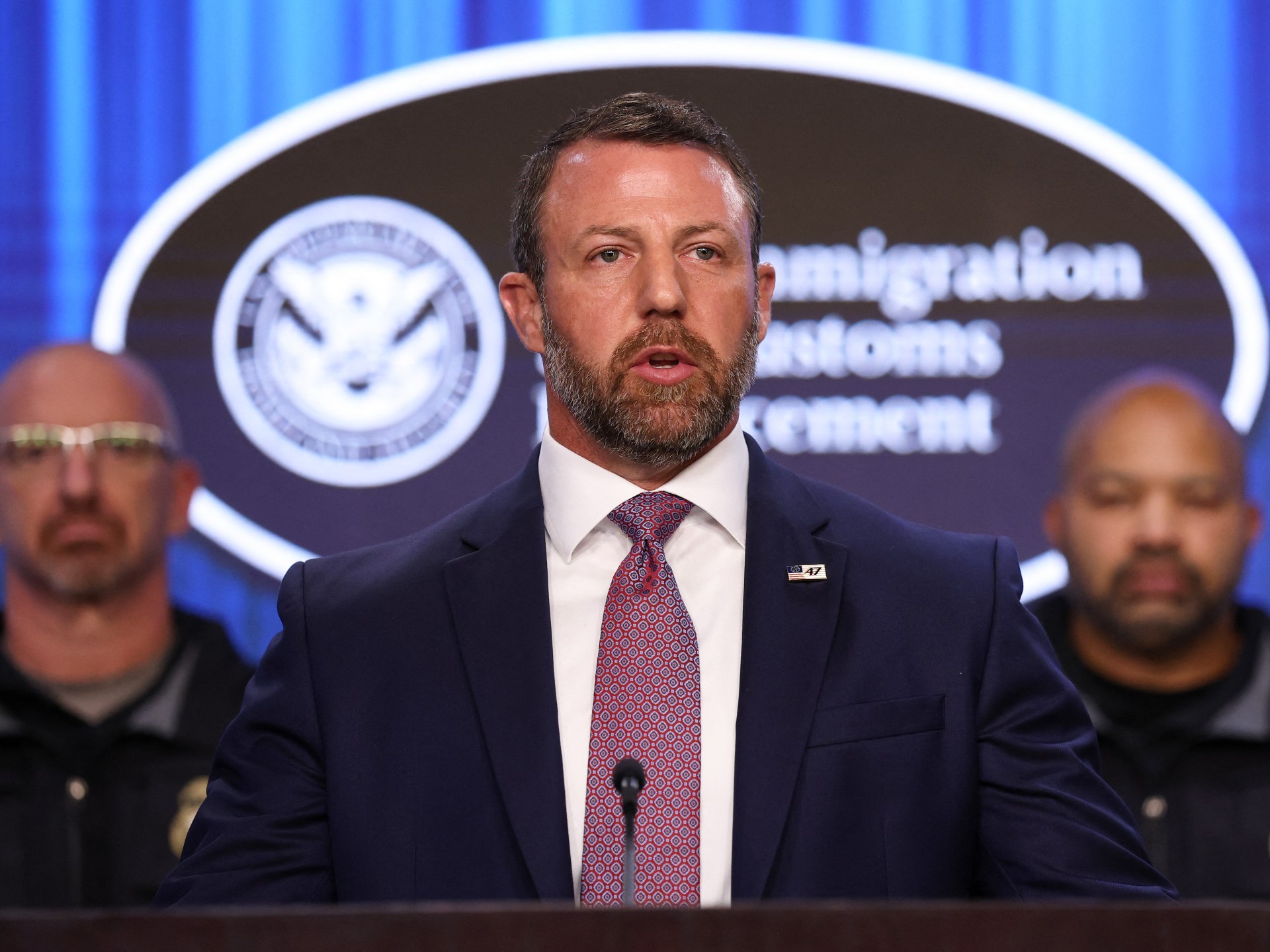
The Department of Homeland Security (DHS) has issued a formal defense following a high-stakes Immigration and Customs Enforcement (ICE) shooting in New York City that has ignited fierce national debate. Federal authorities maintained that the involved officers acted out of a reasonable belief that they were in immediate physical danger during the operation. The incident, which unfolded in a densely populated urban corridor, rapidly escalated from a routine federal enforcement action into a major flashpoint over federal immigration tactics, municipal autonomy, and urban policing standards.
The timeline of the event underscores the friction points between federal enforcement mandates and local civil administration. As federal agents moved to execute a targeted arrest, a confrontation ensued, culminating in the discharge of a firearm. While federal officials stress the operational necessity and split-second threat assessments required in the field, civil rights advocates and local municipal leaders have raised urgent questions regarding accountability, use of force, and the expanding footprint of federal immigration enforcement within major metropolitan centers. This event mirrors broader tensions across the United States, where federal authorities and sanctuary cities frequently clash over jurisdiction, cooperation, and enforcement protocols.
Global Trade & Economic Ripples
While the incident is primarily a domestic security and civil rights matter, systemic civil unrest and federal-local friction in global financial hubs like New York carry notable indirect impacts for international commerce and market confidence. Major metropolitan disruptions, sustained protests, and policy polarization between municipal governments and federal agencies introduce elements of regulatory and operational uncertainty that international investors closely monitor. Global commodity markets, shipping logistics, and currency valuations depend heavily on domestic stability within primary financial nerve centers.
Furthermore, heightened security postures and potential administrative recalibrations in US border and internal enforcement agencies can influence broader macroeconomic indicators, including labor market dynamics and municipal bond yields. International trade partners view the stability of US urban centers as a foundational component of global financial predictability. Any protracted domestic standoff or systemic erosion of trust between local authorities and federal security apparatuses risks casting a shadow over investor sentiment, cross-border commerce, and the smooth functioning of multinational supply chain headquarters based in New York.
Related Intelligence: Trump Fed Probe Threatens Central Bank Independence and Global Markets
International Reactions & Diplomatic Stances
Although the shooting is an internal United States affair, international observers, foreign consular offices, and global human rights organizations are monitoring the fallout closely. Multilateral bodies and international media outlets have highlighted the incident as emblematic of the broader polarization characterizing contemporary American governance and immigration policy. International analysts note that clashes between federal enforcement entities and municipal leaders—exemplified by New York City Mayor Zohran Mamdani's condemnation of the shooting—signal deep structural divisions within the United States political landscape.
Foreign policy analysts and trade partners often evaluate domestic stability in major global powers when assessing long-term investment security and bilateral diplomatic relations. The swift and vocal opposition from local municipal leadership demonstrates the decentralized nature of American governance, where city authorities actively challenge federal operational frameworks. This dynamic complicates diplomatic messaging from Washington regarding the rule of law and human rights, as international actors observe internal friction over law enforcement standards within the world's leading economy.
Strategic Outlook & Future Scenarios
The trajectory of this crisis points toward intensified legal, legislative, and political battles between federal immigration authorities and local municipal governments. Upcoming legislative sessions at both the city and federal levels are expected to feature intense scrutiny over ICE operations, accountability measures, and inter-agency cooperation protocols. If federal agencies maintain their current operational posture without substantial policy adjustments, further clashes with local authorities and civil society groups appear increasingly probable.
For international markets and strategic observers, the unfolding situation serves as a critical indicator of domestic political risk within the United States. Future scenarios include potential policy reforms aimed at redefining the boundaries of federal enforcement in municipal jurisdictions, heightened oversight hearings in Congress, and sustained legal challenges from civil rights organizations. How federal and local leaders navigate this impasse will set a vital precedent for governance, civil liberties, and federalism in the United States, with lasting implications for domestic stability and international perceptions of American governance.
Join Our Official WhatsApp Channel
Receive live commodity alerts, policy changes, and commercial intelligence directly on WhatsApp.