
Pakistan Met Office Predicts Nationwide Rains and Hailstorms
The Pakistan Meteorological Department has issued a nationwide weather advisory forecasting widespread rains, windstorms, and isolated hailstorms across upper and central regions driven by an incoming westerly wave.
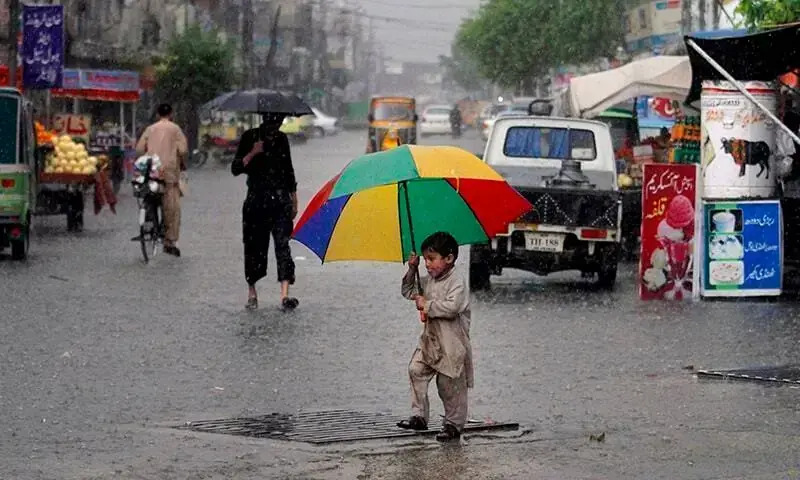
The Core Development
The Pakistan Meteorological Department (PMD) has formally issued an authoritative weather advisory warning of an incoming westerly wave that is projected to sweep across the upper and central regions of the country. According to official meteorological data released on Friday, the weather system is anticipated to make landfall starting Saturday and persist intermittently through October 15. This atmospheric disturbance is expected to generate widespread rain-windstorms, thunderstorms, and localized hailstorms across multiple administrative jurisdictions.
The geographical scope of the advisory encompasses high-altitude territories including Azad Jammu and Kashmir (AJK) and Gilgit-Baltistan (GB), alongside critical economic and population centers in Khyber Pakhtunkhwa (KP), Punjab, and the Islamabad Capital Territory. Meteorological officials have highlighted that the system's persistence over a six-day window elevates the probability of localized flash flooding in vulnerable northern catchments, while urban centers across Punjab face potential waterlogging during peak precipitation spells.
Commercial & Economic Implications
For Kalyar Traders and the broader business community across Pakistan, this sustained meteorological shift carries significant economic ramifications. The timing of the westerly wave coincides with critical agricultural cycles in Punjab and Khyber Pakhtunkhwa, where major Kharif crops approach final harvest and winter sowing preparations begin. Sudden downpours and isolated hailstorms pose a tangible threat of physical damage to standing crops, potentially depressing agricultural yields and triggering localized supply chain bottlenecks.
Furthermore, urban disruptions caused by heavy rainfall and windstorms threaten to impede wholesale distribution networks and logistics corridors linking northern production zones with major consumer markets in Lahore, Rawalpindi, and Islamabad. Temporary closures of key transport arteries can inflate freight costs and delay perishable inventory replenishment. While retail traders may observe short-term fluctuations in consumer demand for seasonal goods, broader macroeconomic concerns center on potential inflationary pressures stemming from agricultural supply constraints and elevated transport overheads.
Related Intelligence: West Bank Violence Threatens Regional Stability and Agricultural Supply Chains
Stakeholder Perspectives & Market Reactions
Agricultural associations and commodity market analysts have expressed cautious vigilance following the PMD advisory. Representatives from farming syndicates in central Punjab noted that unseasonal hail could severely compromise cotton and paddy yields, urging provincial authorities to activate agricultural extension services to assist growers in mitigating potential losses.
Chambers of commerce across the affected regions have called upon municipal administrations and national highway authorities to ensure proactive clearance of drainage systems and deployment of emergency clearing equipment along major commercial transit routes. Logistics operators are currently reviewing contingency plans to reroute shipments should flash flooding or landslips occur in vulnerable northern passes, aiming to minimize transit delays and safeguard commercial cargo.
Forward Outlook & Key Watchpoints
As the westerly wave establishes its presence through October 15, stakeholders across the trade, agricultural, and logistics sectors must closely monitor real-time updates from the PMD. Key indicators to watch include cumulative rainfall volumes in key agricultural districts, the operational status of major national highways, and subsequent price adjustments in wholesale produce markets.
Policymakers and industry bodies will evaluate the ultimate economic toll once the weather system dissipates mid-month. If agricultural damages remain localized, macroeconomic impacts are expected to be modest; however, sustained disruption to transport networks could necessitate targeted interventions to stabilize supply chains and protect consumer purchasing power heading into the winter fiscal quarter.
Join Our Official WhatsApp Channel
Receive live commodity alerts, policy changes, and commercial intelligence directly on WhatsApp.