
US Considers Massive GBU-43 Conventional Weapon Deployment Against Strategic Iranian Sites
Reports of US contingency planning involving the GBU-43/B Massive Ordnance Air Blast have triggered sharp geopolitical tensions and widespread anxiety across global energy and freight markets.
Geopolitical & Core Developments
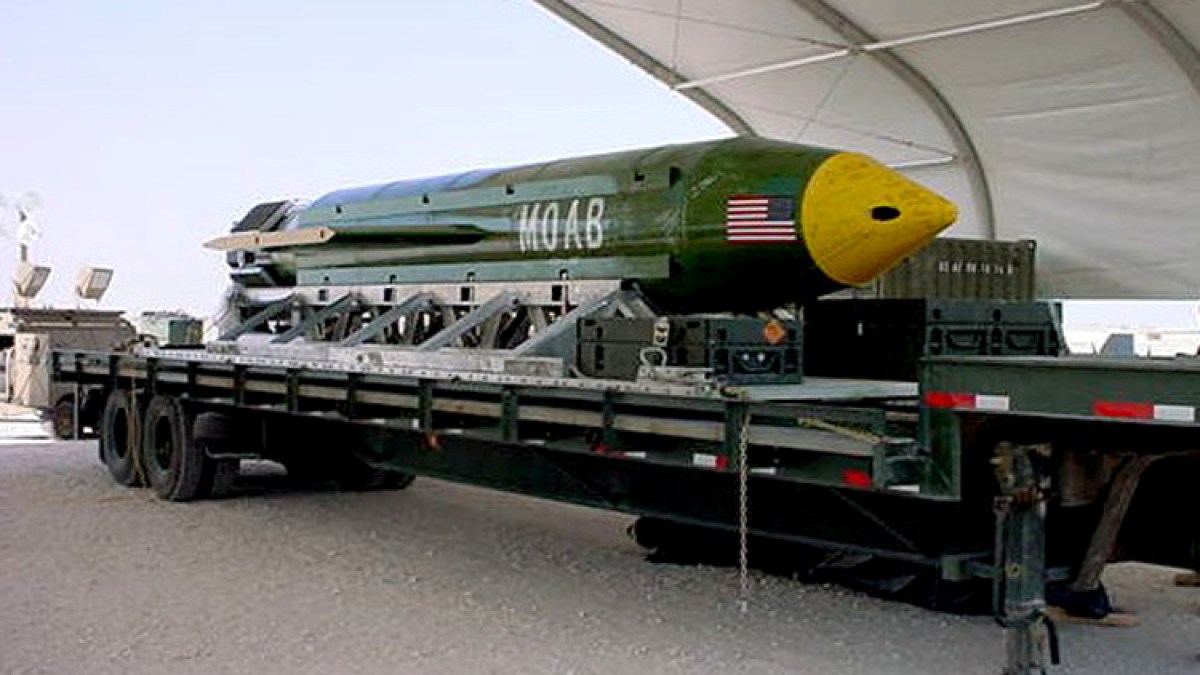
Reports emerging from United States defense circles indicate that military planners are evaluating contingencies that feature the GBU-43/B Massive Ordnance Air Blast (MOAB) as a potential operational option against deeply fortified facilities in Iran. Developed by the Air Force Research Laboratory and colloquially referred to as the 'Mother of All Bombs,' the 21,600-pound precision-guided munition represents the most powerful non-nuclear weapon in the American conventional arsenal. The delivery mechanism requires specialized cargo platforms, primarily modified MC-130 Hercules transport aircraft, designed to deploy the munition via parachute extraction before satellite-guided detonation above ground level.
The strategic rationale behind factoring the GBU-43/B into defensive postures centers on Tehran's extensive subterranean network of command hubs and defensive installations. While specialized penetrating munitions such as the GBU-57 Massive Ordnance Penetrator are specifically engineered for deep-earth destruction, the MOAB's immense blast radius, thermobaric wave, and psychological shock effect offer distinct tactical utility in neutralizing surface structures, tunnel egress points, and air defense perimeters. The contemplation of such heavy ordnance highlights an intensifying deterrence cycle between Washington and Tehran, marked by stalled diplomatic breakthroughs regarding regional security frameworks, nuclear oversight, and cross-border proxy engagements.
Global Trade & Economic Ripples
The strategic prospect of high-yield conventional bombardment in Iran has sent immediate shockwaves through international commodity and freight markets. Energy markets are particularly reactive, with crude oil benchmarks, including Brent and West Texas Intermediate, factoring in immediate geopolitical risk premiums. Any direct engagement involving high-yield ordnance risks immediate counter-escalation in the Strait of Hormuz—the vital chokepoint through which approximately one-fifth of global petroleum transit flows.
Maritime insurance underwriters have begun reassessing hull and cargo risk premiums for vessels traversing the Persian Gulf and the Gulf of Oman. A prolonged escalation would not only elevate freight tariffs and operational costs for international shipping conglomerates but also force secondary route diversions around the Cape of Good Hope, exacerbating delays across supply chains already burdened by regional instability. Furthermore, major sovereign bond yields and foreign exchange markets are reflecting broader defensive rotations toward safe-haven assets, including the US dollar and gold, threatening increased import inflation for emerging market economies reliant on foreign energy procurement.
Related Intelligence: US-Iran Standstill Tests Global Energy Corridors and Diplomatic Restraint
International Reactions & Diplomatic Stances
Diplomatic entities and international institutions have registered grave concern over the prospect of military escalation. United Nations officials have repeatedly urged maximum restraint among all regional and international actors, warning that the deployment of high-yield ordnance in densely contested corridors would precipitate unprecedented humanitarian and environmental hazards. Multilateral bodies have emphasized that unilateral military measures risk dismantling what remains of regional non-proliferation accords and diplomatic mediation efforts.
European capitals have echoed appeals for de-escalation, urging Washington to preserve diplomatic channels and maintain alignment with multilateral security architecture. Concurrently, regional powers across the Middle East, particularly the member states of the Gulf Cooperation Council, have privately and publicly advocated for containment to avoid cross-border blowback on civil infrastructure and commercial hubs. Conversely, Iranian officials have condemned the leaks and strategic rhetoric as unlawful intimidation, asserting an absolute readiness to execute asymmetric and conventional retaliatory strikes against hostile regional installations should any strike materialize.
Strategic Outlook & Future Scenarios
The trajectory of this standoff hinges on diplomatic negotiations and regional deterrence maneuvers scheduled over the coming quarters. Analysts outline multiple potential trajectories: a persistent low-intensity proxy standoff accompanied by economic sanctions; a calibrated multilateral push toward monitored de-escalation; or a tactical miscalculation leading to targeted kinetic interventions.
Should military planners proceed with severe operational deployments, the probability of regionalized retaliation against critical commercial routes and allied facilities remains exceptionally high. In the immediate term, multinational firms and commodity desks are expected to adopt hedging strategies to offset volatility in crude pricing and bulk logistics. The global community will closely monitor upcoming bilateral security reviews, international nuclear agency summits, and maritime monitoring coalitions to gauge whether diplomatic maneuvers can preempt severe kinetic engagement.
Join Our Official WhatsApp Channel
Receive live commodity alerts, policy changes, and commercial intelligence directly on WhatsApp.