
Syrian Authorities Apprehend Key Suspect in 2013 Baniyas Mass Killings
Syrian authorities have detained Ali Kayali, the prime suspect behind the 2013 Baniyas mass killings, as he attempted to cross the border, marking a significant domestic and regional security milestone.
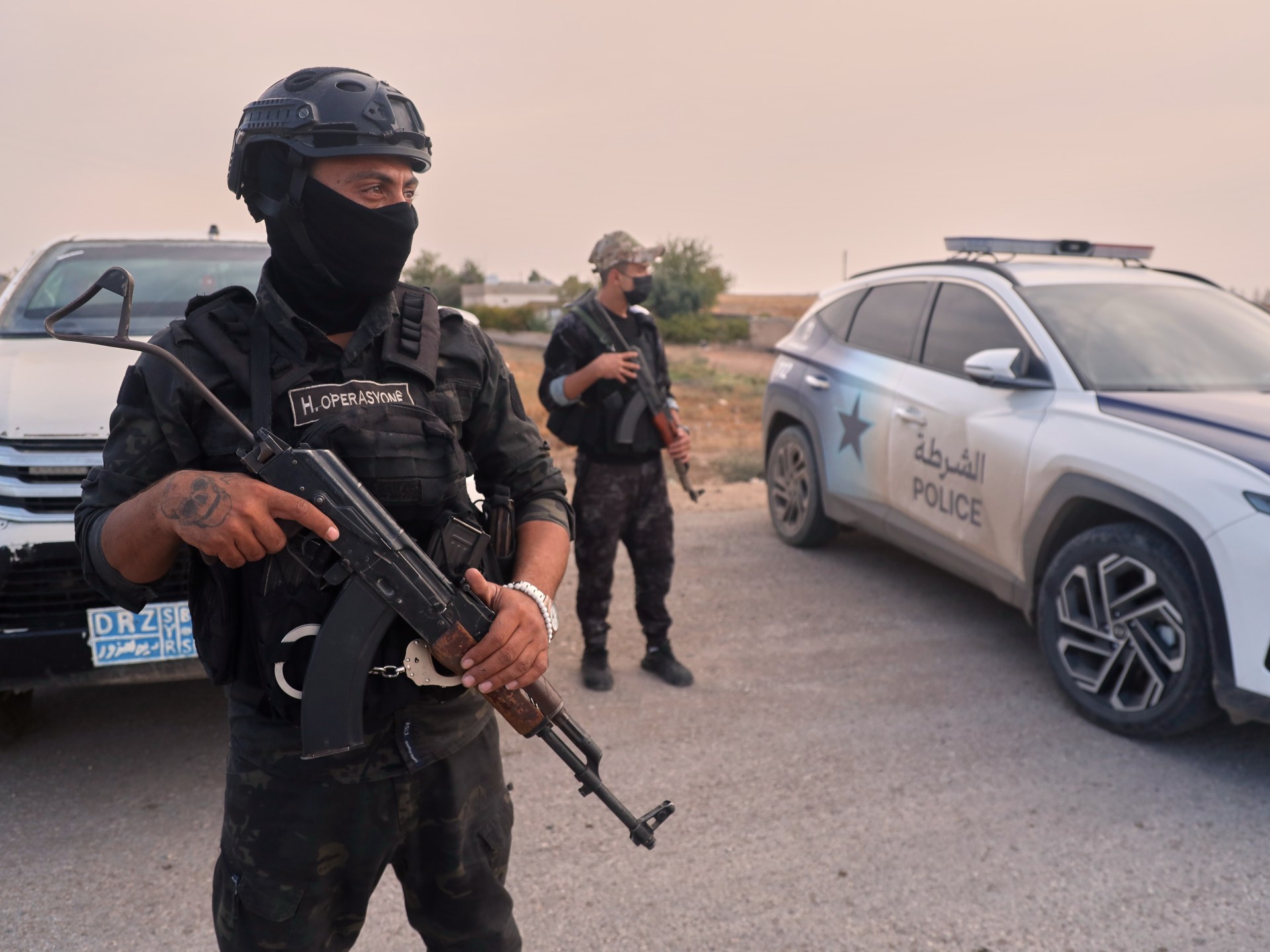
Geopolitical & Core Developments
Syrian state security forces have apprehended Ali Kayali, widely identified as Mihrac Ural, the primary figure implicated in the May 2013 mass killings in Baniyas and the adjacent village of al-Bayda. According to state media communiques, Kayali was intercepted while attempting an unauthorized border crossing. The 2013 atrocities, which resulted in the deaths of hundreds of civilians, represented one of the most violent sectarian chapters of the prolonged Syrian conflict, drawing fierce international condemnation at the time.
Kayali, a Turkish-born figure who led the pro-government paramilitary organization known as the Syrian Resistance (Al-Muqawama al-Suriyah), has spent decades navigating the turbulent frontiers of southern Turkey and northwestern Syria. His capture underpins a strategic recalibration within Damascus. The Syrian administration has increasingly prioritized centralizing state authority, neutralizing autonomous or quasi-independent militia commanders, and curbing informal armed groups whose cross-border entanglements complicate broader security and diplomatic realignments across the Levant.
Global Trade & Economic Ripples
While the apprehension of an armed commander represents primarily a domestic legal and security breakthrough, its broader implications intersect with regional commercial stability. The coastal axis of Latakia and Tartus serves as Syria's primary maritime commercial gateway and holds critical infrastructure for Eastern Mediterranean shipping and logistics. Ensuring maritime corridor security remains essential for bulk cargo movements, including regional grain imports, fertilizer transit, and residual crude shipments arriving from allied nations.
Furthermore, the stabilization of Syria's northwestern quadrant and border regions carries direct implications for cross-border logistics networks connecting the Mediterranean basin to inland markets. Protracted instability has historically imposed elevated risk premiums on transport insurance, deterred regional road freight rehabilitation, and suppressed cross-border commerce with Turkey, Lebanon, and Jordan. Steps toward dismantling rogue militias may gradually de-risk littoral commercial hubs, though pervasive international sanctions continue to severely constrain formal foreign direct investment and broad-based commercial integration.
Related Intelligence: US-Iran Standstill Tests Global Energy Corridors and Diplomatic Restraint
International Reactions & Diplomatic Stances
International responses to Kayali's arrest reflect the complex geopolitical fault lines surrounding the Syrian conflict. Ankara has maintained an enduring interest in Kayali due to his alleged involvement in violent operations on Turkish soil, notably the 2013 twin car bombings in Reyhanlı, Hatay Province, which killed over 50 people. Turkish security analysts view his detention as a development that could remove a longstanding friction point between security apparatuses in the region.
Human rights observers and international monitoring groups have renewed appeals for comprehensive legal accountability regarding the Baniyas atrocities. Multilateral organizations and UN-mandated commissions have consistently classified the 2013 killings as serious violations of international humanitarian law. Regional diplomats view the operation as an effort by Damascus to present an image of disciplined governance, potentially facilitating accelerated diplomatic normalization tracks with Arab League member states and pragmatic interlocutors.
Strategic Outlook & Future Scenarios
The trajectory following Kayali's apprehension hinges on the legal proceedings and judicial transparency demonstrated by Syrian authorities. If Kayali faces structured public prosecution or if intelligence sharing ensues regarding cross-border networks, it may signal an operational shift toward regional intelligence cooperation. Conversely, if legal processes remain opaque, the event will largely be characterized as an internal consolidation of security power.
In the coming months, regional focus will center on whether Damascus leverages this milestone to engage in confidence-building measures with neighbouring states, particularly concerning border demarcation, counter-militia coordination, and refugee return frameworks. Concurrently, broader structural hurdles remain entrenched: unilateral international sanctions, unresolved territorial fragmentation in the northeast and northwest, and widespread economic exhaustion ensure that broader macroeconomic recovery will remain protracted despite incremental domestic security gains.
Join Our Official WhatsApp Channel
Receive live commodity alerts, policy changes, and commercial intelligence directly on WhatsApp.