
Mass Mobilization in Tehran Deepens Geopolitical Strains Across Middle East
Massive public demonstrations in Tehran signaling resistance against US pressure have heightened Middle Eastern geopolitical friction, elevating crude oil risk premiums and complicating security across vital Persian Gulf shipping corridors.
Geopolitical & Core Developments
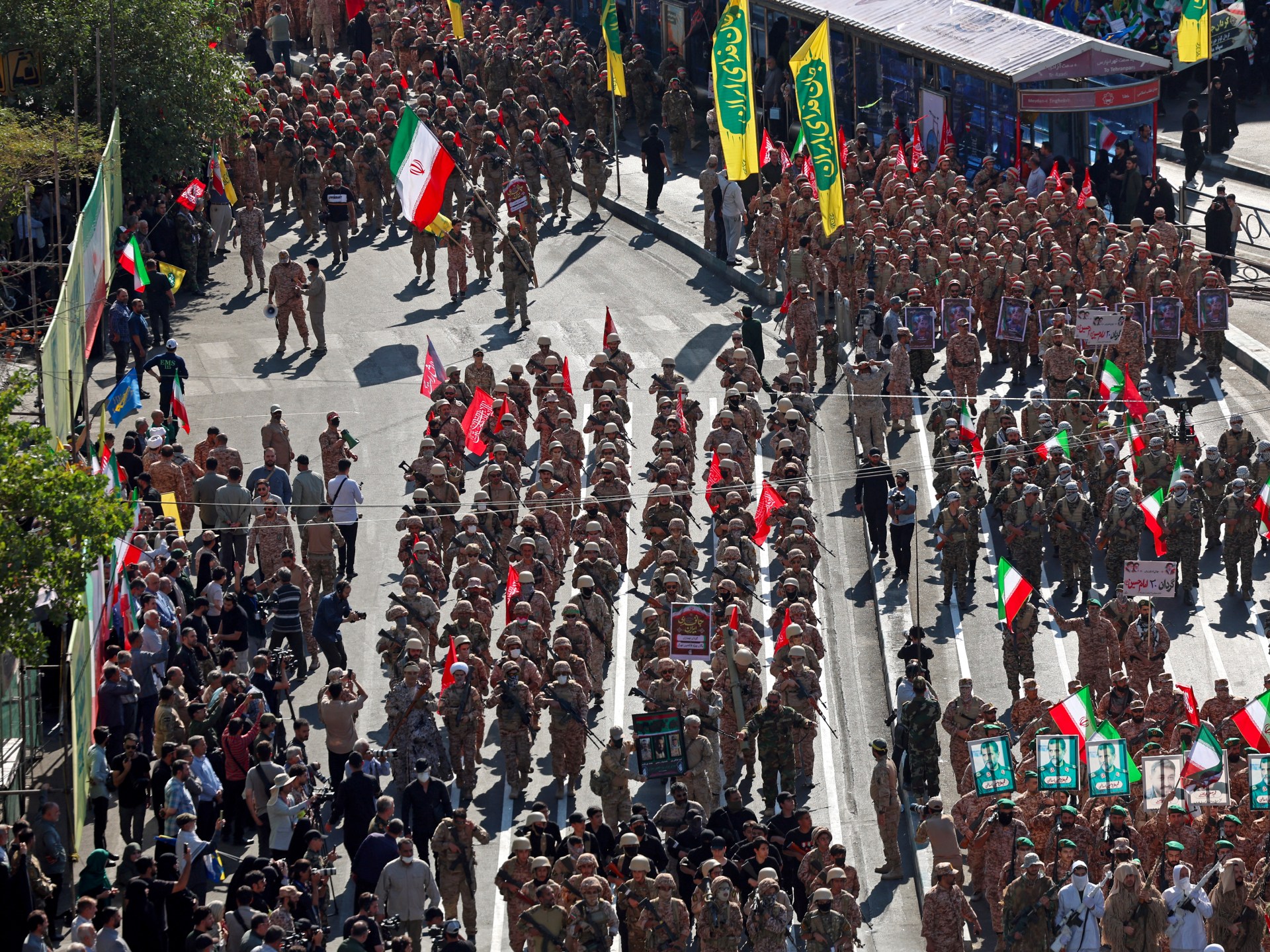
Thousands of Iranian volunteers, Basij militia members, and civilian demonstrators gathered throughout downtown Tehran in a coordinated public display of national resolve and readiness, framed by state organizers as a campaign of self-sacrifice against escalating United States military posturing and economic pressure. The mobilization represents one of the largest demonstrations of defiance in the Iranian capital since the current phase of regional hostilities intensified. Tehran’s leadership utilized the event to project internal solidarity, signaling to both domestic audiences and foreign adversaries that sustained external pressure will not fracture the state apparatus.
The demonstrations unfold against a backdrop of deteriorating diplomatic channels between Washington and Tehran, marked by expanded US naval presence in the Middle East and intensified enforcement of multilateral sanctions regimes. Tehran’s strategic posture emphasizes asymmetric deterrence and strategic depth, utilizing widespread civil mobilization to demonstrate ideological commitment. The event highlights the growing domestic consolidation behind the Islamic Revolutionary Guard Corps (IRGC) amidst heightened concerns over potential direct military confrontation, underscoring the diminishing viability of near-term diplomatic off-ramps.
Global Trade & Economic Ripples
The escalation in Tehran directly reverberates through international commodity and freight markets, driven by the acute geographic sensitivity of the Persian Gulf. The Strait of Hormuz, handling approximately 20 percent of global petroleum liquids consumption, faces renewed scrutiny as risk assessors evaluate potential interruptions to commercial maritime traffic. Benchmark crude contracts, including Brent and West Texas Intermediate (WTI), registered upward momentum as energy traders priced in structural geopolitical risk premiums.
Simultaneously, maritime insurers have adjusted risk evaluations for vessels navigating the Persian Gulf and the Gulf of Oman, leading to higher war risk surcharges that elevate overall shipping expenditures for Asian and European refiners. Beyond hydrocarbons, international supply chains reliant on Middle Eastern petrochemical feedstocks and nitrogen-based fertilizer exports, including urea and sulfur, face prospective cost inflation. Global shipping operators continue to implement contingency protocols, factoring in potential rerouting, elevated bunker fuel consumption, and broadened transit security requirements across critical maritime chokepoints.
International Reactions & Diplomatic Stances
Official international reaction reflects persistent polarization over security dynamics in the Middle East. Officials in Washington characterized the Tehran rallies as orchestrated state demonstrations aimed at deflecting attention from domestic economic vulnerabilities and regional destabilization activities, reiterating a commitment to defend allied interests and secure international navigation corridors. Conversely, regional powers throughout the Gulf Cooperation Council (GCC) adopted a measured diplomatic tone, calling for restraint and de-escalation to preserve regional trade predictability.
Multilateral bodies, including the United Nations, issued cautions against provocative rhetoric, emphasizing the severe systemic consequences of a miscalculation near vital commercial waterways. European Union foreign policy representatives reiterated the necessity of reviving dialogue frameworks while urging Tehran to moderate regional proxy engagements. Market analysts from major international financial institutions observed that persistent geopolitical brinkmanship continues to undermine long-term capital investments across Middle Eastern energy infrastructure, incentivizing diversification efforts among primary hydrocarbon importers.
Strategic Outlook & Future Scenarios
The trajectory of US-Iran relations points toward continued non-kinetic friction and calibrated deterrence rather than diplomatic rapprochement. With the Joint Comprehensive Plan of Action (JCPOA) structurally dormant and compliance inspections constrained, Western authorities are expected to pursue expanded secondary sanctions targeting Iranian industrial logistics and maritime transport networks. Tehran is likely to deepen trade and technological cooperation with non-aligned powers, notably China and Russia, to insulate its macroeconomy from Western containment.
In the near term, corporate entities, commercial shipping fleets, and institutional commodity investors must navigate an environment characterized by elevated volatility and stringent compliance scrutiny. Key milestones to monitor include upcoming multilateral security forums, the frequency of naval encounters in the Persian Gulf, and the strategic positioning of regional defense pacts. The probability of localized disruptions remains elevated, requiring international market participants to maintain active risk-mitigation strategies across the energy and maritime transport sectors.
Join Our Official WhatsApp Channel
Receive live commodity alerts, policy changes, and commercial intelligence directly on WhatsApp.