
US Orders Diplomatic Drawdown in Saudi Arabia Amid Escalating Houthi Strikes
The United States has ordered non-emergency diplomatic personnel to leave Saudi Arabia after lethal Houthi strikes hit critical oil infrastructure and airports, intensifying regional security risks and rattling energy markets.
Geopolitical & Core Developments
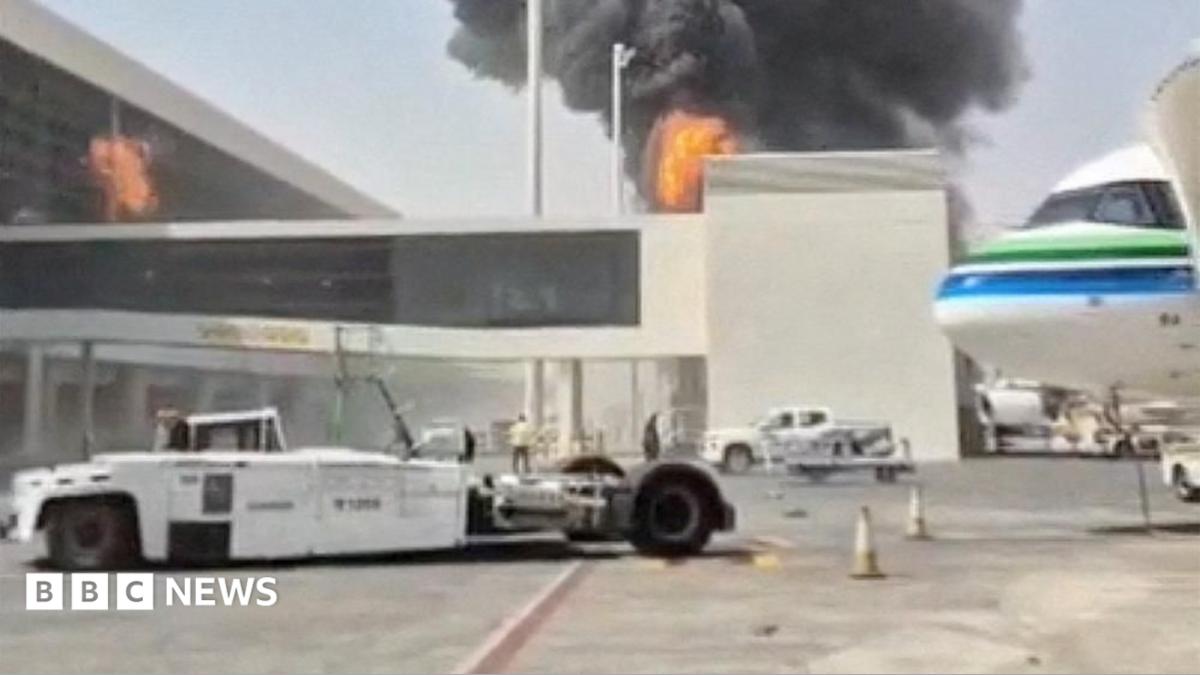
The United States Department of State has formally instructed non-emergency government personnel and eligible family members to depart Saudi Arabia, citing elevated security risks following a sharp escalation in cross-border strikes launched by Yemen's Houthi movement. The diplomatic drawdown follows coordinated drone and missile barrages that struck a regional civilian airport and an upstream oil facility, resulting in at least three fatalities and multiple injuries.
The latest offensive marks a critical breach in deterrence across the Arabian Peninsula. For months, backchannel negotiations facilitated by regional mediators had sustained an uneasy lull in hostilities. However, the resumption of deep-penetration strikes inside Saudi territory underscores the Houthi leadership's intent to apply acute pressure on Riyadh and its Western allies. Intelligence assessments indicate the use of advanced loitering munitions and cruise missiles, highlighting persistent supply chains running through regional proxy networks. The targeting of dual-use logistical and hydrocarbon nodes demonstrates a recalibrated doctrine aimed directly at high-value commercial infrastructure, forcing Washington to lower its diplomatic footprint to mitigate immediate force-protection vulnerabilities.
Global Trade & Economic Ripples
The security alert reverberated across international commodity exchanges, injecting an immediate risk premium into Brent crude and West Texas Intermediate benchmarks. Energy traders, already managing tight physical markets driven by OPEC+ output quotas, responded with heightened volatility over prospective supply disruptions. Although Saudi Aramco reported that contingency protocols prevented long-term operational paralysis, the vulnerability of domestic processing facilities remains a principal concern for global oil refiners.
Beyond upstream oil security, the escalation poses severe threats to commercial aviation corridors and maritime logistics across the Red Sea and the Bab el-Mandeb Strait. Shipping syndicates and marine insurers have reviewed regional risk premiums, with war-risk surcharges expected to climb for vessels calling at Red Sea ports. Heightened freight rates and potential routing diversions around Southern Africa threaten to introduce friction into Asia-Europe supply chains, reinforcing persistent inflationary pressures on intermediate manufactured goods and bulk agricultural commodities.
Related Intelligence: US Orders Personnel Out of Saudi Arabia Amid Escalating Houthi Threats
International Reactions & Diplomatic Stances
The decision to scale back diplomatic operations drew swift condemnation of the attacks from Western capitals. A senior US State Department spokesperson reaffirmed Washington's commitment to defending Saudi sovereign territory while emphasizing that diplomatic force-protection remains paramount. Officials in Riyadh condemned the strikes as deliberate assaults on global energy security and civilian integrity, urging the United Nations Security Council to implement stricter enforcement mechanisms on regional arms embargoes.
Multilateral bodies voiced alarm over the potential collapse of broader Middle Eastern de-escalation tracks. The United Nations Special Envoy for Yemen issued a formal appeal for immediate military restraint, warning that renewed cross-border strikes jeopardize ongoing humanitarian relief logistics and fragile political negotiations. Meanwhile, analysts across major energy consultancies noted that while Saudi air defense interception rates remain high, saturation-style drone tactics introduce structural unpredictability that sovereign defense pacts struggle to fully neutralize.
Strategic Outlook & Future Scenarios
The strategic trajectory points toward heightened military friction in the near term. Riyadh faces a complex operational dilemma: retaliating with punitive airstrikes risks dismantling diplomatic rapprochement efforts and further entrenching cross-border engagements, whereas an inadequate military response could invite further strikes on strategic state assets.
Looking ahead, Washington is expected to accelerate deliveries of terminal missile defense interceptors to Gulf partners while pursuing targeted maritime interdiction operations in international waters. Should attacks on critical commercial junctions continue, Western allies may face mounting pressure to reimpose aggressive secondary sanctions and designate non-state militant entities under enhanced anti-terrorism legal authorities. In the absence of a sustainable political framework, regional logistics networks and international energy markets will remain captive to elevated geopolitical volatility through the coming quarters.
Join Our Official WhatsApp Channel
Receive live commodity alerts, policy changes, and commercial intelligence directly on WhatsApp.