
Arab Parties Emerge as Decisive Factor in Contested Israeli Parliamentary Elections
Surging voter mobilization among Arab citizens in Israel positions minority factions as key kingmakers, threatening the incumbent right-wing coalition and signaling major shifts for Middle Eastern diplomacy and trade.
Geopolitical & Core Developments
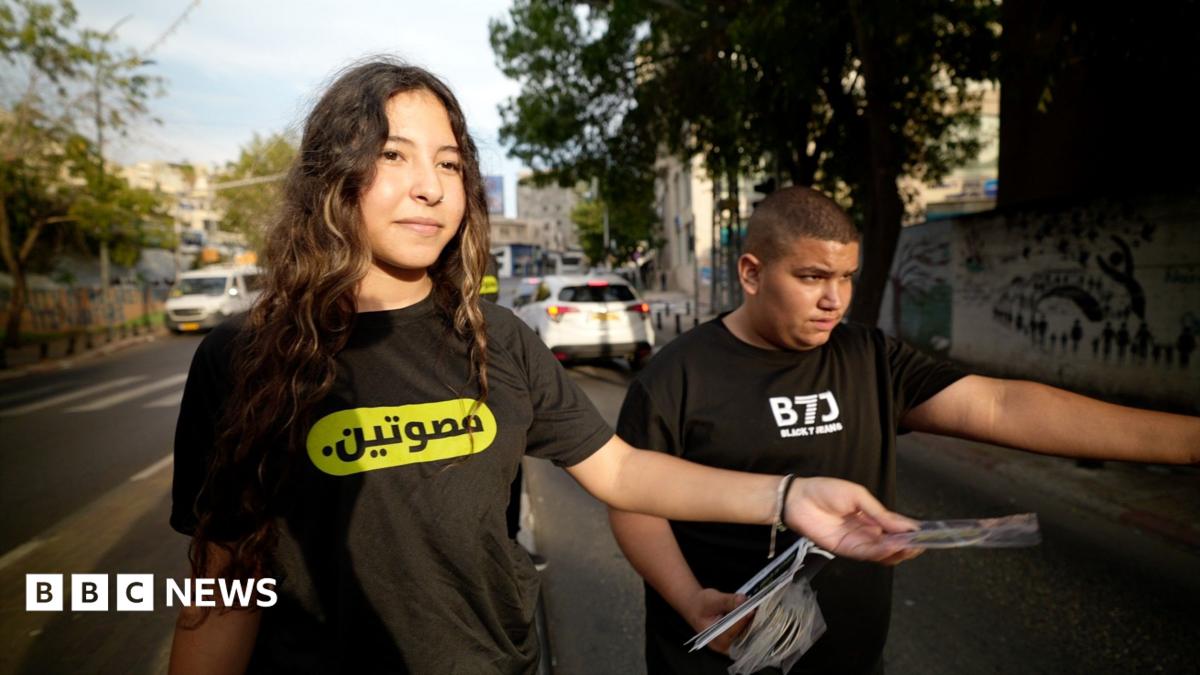
Israel's political landscape faces a decisive realignment as Arab political parties position themselves to hold the critical balance of power in the upcoming Knesset elections. Historically, political disenfranchisement, internal fragmentation, and deep skepticism toward institutional politics have depressed voter turnout among Arab citizens of Israel, who constitute roughly 20 percent of the electorate. However, widespread discontent with the current hardline, right-wing governing coalition has catalyzed an aggressive grassroots mobilization drive aimed at maximizing voter participation.
The strategic stakes extend far beyond legislative arithmetic. The fragmentation of the traditional Zionist political spectrum into deeply polarized pro- and anti-incumbent blocs means that even modest shifts in Arab voter turnout could dictate the formation of a governing majority. In previous electoral cycles, the historic decision of an Arab faction to formally enter a ruling coalition broke decades of precedent, proving that non-Zionist factions could directly influence domestic policy, fiscal budget allocations, and civil administration. As the current electoral contest tightens, the potential revival of a unified or tactically coordinated Arab voting front introduces unprecedented leverage, effectively determining whether nationalist factions retain authority or a broader centrist-led coalition takes power.
Global Trade & Economic Ripples
While the contest is domestic, its outcome directly intersects with vital regional economic architecture, offshore energy developments, and strategic trade corridors. Prolonged domestic instability or a hardline governing framework creates friction with regional trade partners, notably the Gulf signatories of the Abraham Accords. Bilateral trade between Israel and the United Arab Emirates, which surpassed three billion dollars in non-oil commercial transactions, depends heavily on sustained political moderation and regulatory certainty.
Furthermore, Israel's offshore natural gas assets—particularly the Leviathan and Karish fields—serve as linchpins for Eastern Mediterranean energy security, supplying contracted volumes to Egypt and Jordan while facilitating indirect LNG exports to energy-constrained European markets. An administration constrained or realigned by moderate Arab coalition partners would likely prioritize structural regional stability, minimizing the risk of maritime border tensions and safeguarding vital trans-regional energy pipelines. Conversely, deepened domestic polarization risks dampening foreign direct investment in Israel's vital technology and advanced manufacturing sectors, while also elevating regional sovereign bond yields.
Related Intelligence: Airbnb Overhauls Host Mandates Amid Global Hospitality and Regulatory Realignment
International Reactions & Diplomatic Stances
Foreign chancelleries across Washington, Brussels, and regional capitals are closely monitoring the electoral mechanics. The United States administration has maintained public neutrality while privately underscoring the necessity of political stability and the preservation of democratic norms, alongside adherence to existing regional de-escalation frameworks. Western diplomats acknowledge that the inclusion or active participation of Arab parties provides essential institutional ballast against hyper-nationalist initiatives that complicate bilateral ties.
Across the Gulf Cooperation Council, sovereign wealth funds and trade ministries are evaluating whether the next coalition will sustain commercial integration or exacerbate regional frictions. Market analysts from major credit rating agencies have highlighted that Israel's institutional governance metrics and domestic stability indicators will directly influence sovereign credit ratings, which have faced downside pressure amid persistent internal political and civil unrest.
Strategic Outlook & Future Scenarios
The trajectory of the election hinges on the final turnout percentage across Arab-majority districts. If voter participation exceeds 55 percent, Arab parties are projected to capture sufficient mandates to obstruct a hard-right parliamentary majority, creating complex coalition calculations. Under this scenario, centrist leaders would be forced to negotiate structural domestic policy concessions and budgetary allocations for Arab municipalities in exchange for outside legislative support.
Conversely, suppressed turnout or fractional party competition failing to meet the legal electoral threshold would hand an uninhibited majority to the nationalist-religious bloc. Such an outcome would accelerate controversial judicial reforms, likely induce further friction with the European Union and the United States, and complicate diplomatic normalization efforts with key regional players such as Saudi Arabia. Over the medium term, the empowerment of Arab parties remains the primary wildcard capable of reshaping Israel's international posture and commercial partnerships across the Levant.
Join Our Official WhatsApp Channel
Receive live commodity alerts, policy changes, and commercial intelligence directly on WhatsApp.