
Pakistan Adjusts Fuel Tariffs as Petrol Rises and Diesel Dips
The Pakistani government has announced a marginal increase in petrol prices while offering relief on high-speed diesel, effective through the weekend under rigid taxation frameworks.
The Core Development
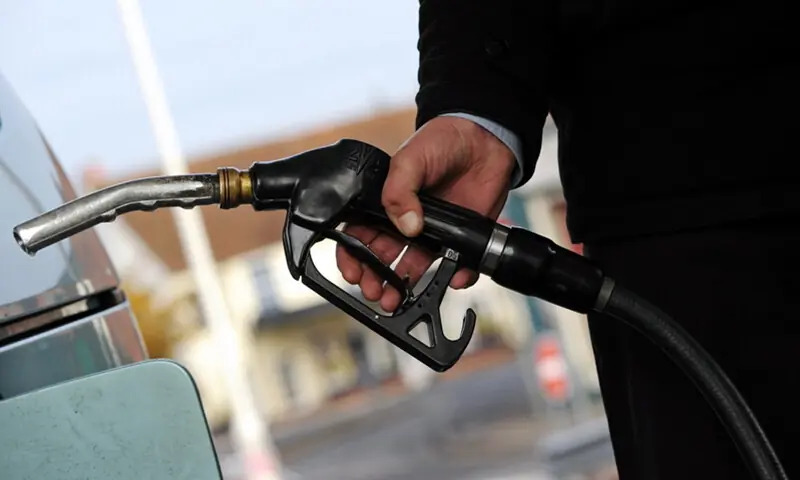
The federal government announced a fresh revision in petroleum product prices, introducing a slight uptick in the cost of petrol while granting marginal relief on high-speed diesel (HSD). According to the official notification issued by the Petroleum Division, the price of petrol has been increased by Rs2.02 per litre, pushing its retail rate to Rs391.30 per litre. Conversely, the price of HSD has been reduced by Rs3.59 per litre, bringing it down to Rs408.53 per litre.
The revised pricing structure came into immediate effect, applicable from September 26 (Saturday) through September 28 (Monday). This short-term pricing cycle underscores the administration's active monitoring of international oil market fluctuations and domestic fiscal requirements. Despite the slight downward adjustment in diesel, fuel costs remain exceptionally elevated compared to historical baselines. For instance, HSD has receded significantly from its alarming peak of Rs520.35 per litre recorded on April 3, a surge originally triggered by the outbreak of the US-Iran conflict on February 28 when prices hovered near Rs281 per litre. Similarly, petrol has pulled back from its April 3 peak of Rs458.41 per litre.
A central component of the current pricing mechanism remains the heavy tax burden levied by the state. The government continues to exact substantial revenue through petroleum levies and duties, maintaining a fixed collection of Rs114 per litre on petrol and Rs100 per litre on diesel. This heavy fiscal extraction forms a cornerstone of national revenue generation, shielding fiscal deficits but keeping retail prices artificially inflated.
Commercial & Economic Implications
The ongoing volatility in petroleum tariffs exerts profound pressure on Pakistan's commercial and economic landscape. As primary energy inputs, petrol and high-speed diesel dictate the operational expenditures of virtually every economic sector, ranging from manufacturing and agriculture to urban logistics and retail distribution.
The Rs2.02 increase in petrol directly impacts urban commuters, ride-hailing services, and private vehicle owners, squeezing disposable incomes further in an already inflationary environment. Meanwhile, high-speed diesel serves as the lifeblood of the transport, freight, and agricultural machinery sectors. While the Rs3.59 reduction offers a temporary respite to transporters and farmers during the crucial harvesting and distribution cycles, the absolute price level of Rs408.53 per litre continues to impose a severe cost burden on supply chains.
Inflationary expectations remain anchored to fuel price adjustments. Wholesale distributors and retail traders have repeatedly warned that sustained high fuel costs cascade down the value chain, inflating the retail prices of essential food items, manufactured goods, and daily commodities. Consequently, even minor weekly adjustments act as psychological and financial triggers for broader market price spirals, complicating the central bank's monetary policy management and efforts to stabilize consumer price index inflation.
Related Intelligence: Prime Minister Shehbaz Addresses UNGA on Regional Stability and Economic Growth
Stakeholder Perspectives & Market Reactions
Business councils, transport associations, and consumer advocacy groups have expressed mixed reactions to the latest pricing notification. Representatives from major trade and transport bodies note that while any downward movement in diesel prices is welcome, the current rates remain prohibitive for long-haul freight operators. Transporters argue that operating heavy transport vehicles at over Rs400 per litre severely erodes profit margins, forcing them to periodically pass these costs onto consumers through higher freight charges.
Economic analysts point out that the government's heavy reliance on petroleum taxation leaves little room for substantial relief, even when international crude prices experience downward corrections. With Rs114 per litre on petrol and Rs100 per litre on diesel flowing directly into the national exchequer, petroleum taxation remains one of the most reliable, albeit regressive, revenue streams for fiscal consolidation under international lending programs.
Legal and financial experts have also scrutinized the frequency of price notifications, noting that short-term pricing cycles create planning uncertainties for commercial enterprises that rely on predictable energy budgeting. Public response remains subdued yet anxious, as households continue to navigate the cumulative impact of months of elevated fuel costs.
Forward Outlook & Key Watchpoints
Looking ahead, market participants and policy analysts will closely monitor international geopolitical developments, particularly in the Middle East, which remain the primary determinant of global crude oil supply stability and price volatility. Any escalation in regional tensions could swiftly reverse recent gains, pushing fuel prices back toward their spring peaks.
Domestically, key watchpoints include the upcoming fortnightly review by the Petroleum Division, potential adjustments to petroleum levy rates in response to International Monetary Fund fiscal targets, and the broader macroeconomic indicators reflecting consumer demand and industrial output. For Kalyar Traders and the wider business community, maintaining agile supply chain management and dynamic pricing strategies will remain essential as Pakistan navigates this complex energy and economic terrain.
Join Our Official WhatsApp Channel
Receive live commodity alerts, policy changes, and commercial intelligence directly on WhatsApp.