
US Considers Diesel Export Ban as Energy Costs Spike
Washington's consideration of a diesel export ban and potential drawdown of European strategic reserves has ignited severe anxiety across global energy markets.
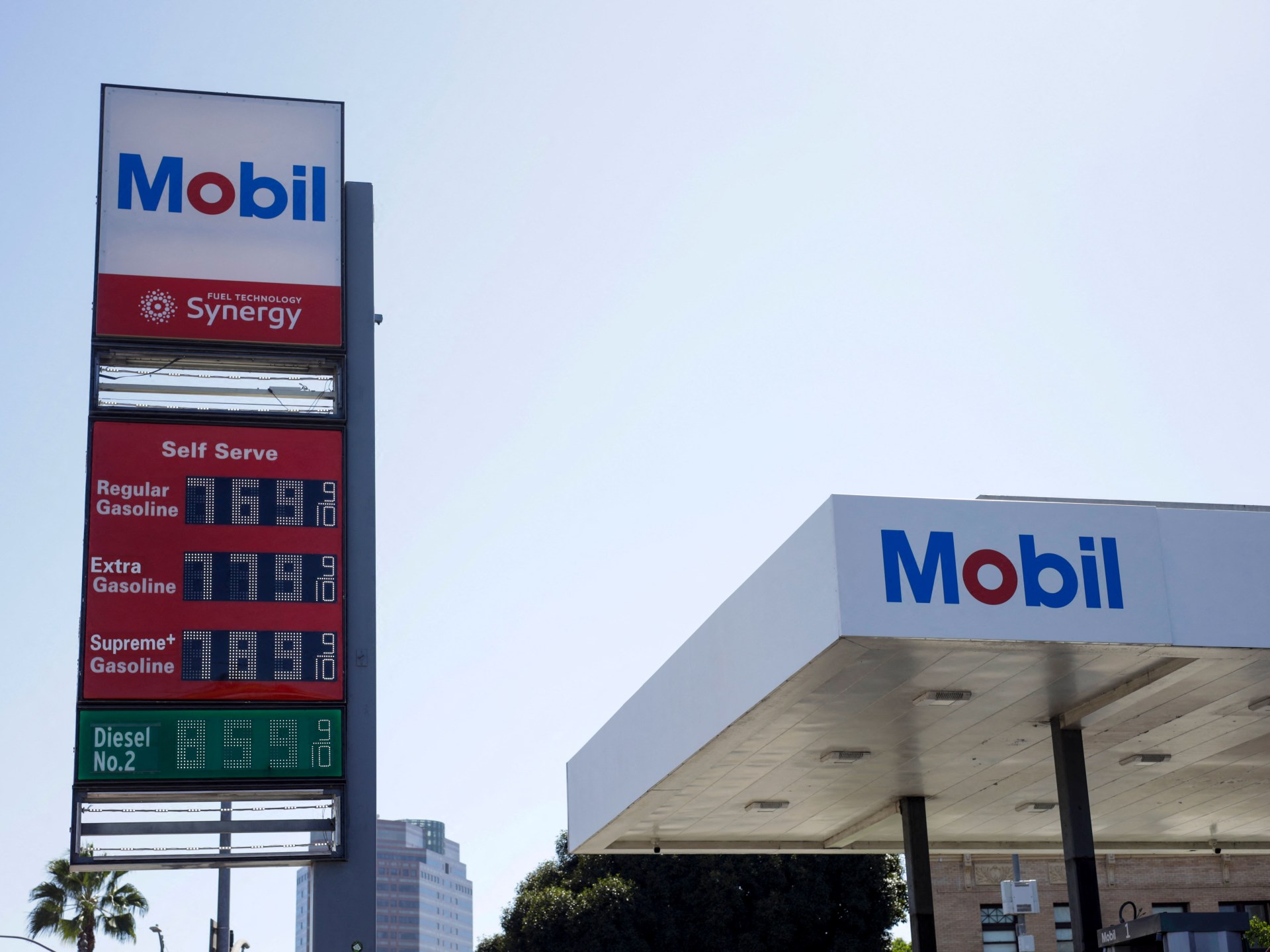
Geopolitical & Core Developments
The mounting crisis within domestic energy markets has prompted the White House to weigh extraordinary interventionist measures, including a potential ban on refined product exports. Driven by surging wholesale costs and persistent inflationary pressures at home, administration officials are actively evaluating emergency protocols. Central to this strategy is a controversial proposal to request that European allies release portions of their strategic diesel reserves to alleviate domestic supply crunches. This policy shift underscores the acute political vulnerability surrounding energy prices in Washington, where administrations face intense scrutiny ahead of electoral cycles. The prospect of American export curbs has upended traditional transatlantic cooperation frameworks, forcing European capitals to reassess their immediate energy security dependencies. Historically, the United States has operated as a critical marginal supplier of middle distillates to the Atlantic basin. Restricting these flows fundamentally alters the strategic calculus of energy governance, pitting immediate domestic political imperatives against long-standing geopolitical alliances and cooperative multilateral agreements.
Global Trade & Economic Ripples
International commodity markets reacted with immediate volatility to reports of potential American export restrictions. Diesel sits at the absolute core of global industrial activity, powering freight transport, agricultural machinery, maritime shipping, and heavy manufacturing. Any disruption to standard trade pathways instantly cascades through global supply chains, amplifying inflationary pressures worldwide. European refining margins spiked violently as traders scrambled to price in the sudden loss of transatlantic barrels just as the continent enters high-demand seasonal cycles. Shipping lanes across the Atlantic are already seeing re-routing as logistics operators hedge against sudden regulatory shifts and export licensing requirements. Furthermore, currency markets have experienced localized turbulence, with energy-importing economies noting downward pressure on foreign exchange reserves as the cost of securing replacement cargoes escalates. Commodity exchanges have widened margin requirements to account for unprecedented price swings, squeezing liquidity for smaller industrial consumers and independent logistics providers who lack sophisticated hedging instruments.
Related Intelligence: Escalating Middle East Violence Threatens Global Stability and Supply Chains
International Reactions & Diplomatic Stances
European Union officials and national energy ministers have expressed profound alarm regarding Washington's signaled intentions. Brussels maintains that European strategic stockpiles are legally mandated under International Energy Agency frameworks strictly to address severe supply emergencies, rather than compensate for domestic American pricing imbalances. Trade associations representing European haulers, manufacturers, and agricultural producers have petitioned the European Commission to enact robust retaliatory or protective mechanisms should U.S. export bans materialize. Market analysts and macroeconomic forecasters have universally condemned the potential policy, warning that weaponizing refined product flows sets a dangerous precedent for international trade law. Multilateral energy bodies have cautioned that tit-for-tat regulatory interventions will ultimately exacerbate global shortages, destroying demand arbitrarily rather than incentivizing sustainable supply expansion through market-driven mechanisms.
Strategic Outlook & Future Scenarios
As this energy standoff evolves, the trajectory of transatlantic trade hangs in a delicate balance. Upcoming G7 energy consultations and extraordinary ministerial summits will serve as critical diplomatic arenas to defuse the brewing crisis. If Washington proceeds with formal export restrictions, Europe is expected to accelerate emergency procurement from Middle Eastern and Asian refiners, intensifying global competition for non-U.S. barrels and driving up freight rates across the Suez and Cape routes. Long-term geopolitical ramifications include an accelerated push toward absolute energy self-sufficiency in Europe, potentially straining future trade agreements. For global commodity traders, the current environment demands heightened vigilance, dynamic risk management, and diversified sourcing strategies to navigate an increasingly fragmented and protectionist international energy landscape.
Join Our Official WhatsApp Channel
Receive live commodity alerts, policy changes, and commercial intelligence directly on WhatsApp.