
US Federal Court Blocks White House Press Bans on Major Media Outlets
A federal judge blocked the White House ban on major news outlets, ruling the media organizations are likely to succeed on due process claims.
Geopolitical & Core Developments
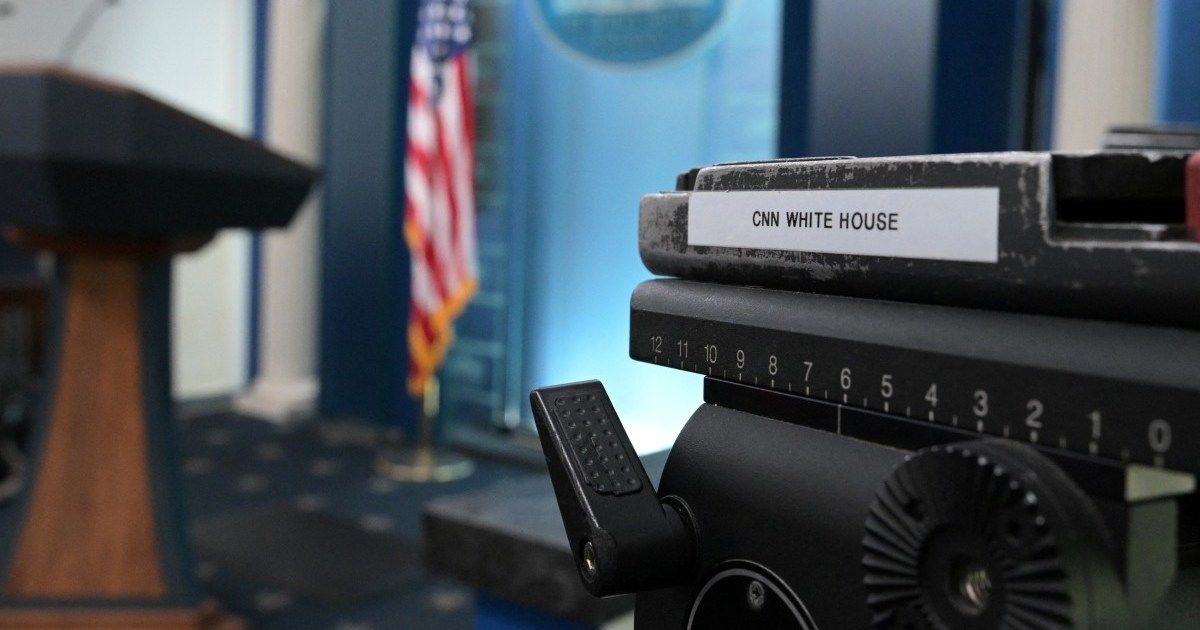
In a significant legal rebuke to executive overreach, a United States federal judge has issued a preliminary injunction blocking the White House from enforcing press credential restrictions against several prominent news organizations. The ruling, handed down in a case involving CNN, MS NOW, and Politico, centers on the constitutional protections guaranteed under the First and Fifth Amendments. The presiding jurist—notably a nominee of former President Donald Trump—concluded that the targeted media outlets demonstrated a strong likelihood of success in proving they were arbitrarily denied due process and equal protection under the law.
The dispute erupted when the administration sought to bar specific journalists and networks from daily briefings and travel pools, citing editorial bias and contentious reporting. Legal scholars and press freedom advocates immediately condemned the maneuver as an authoritarian attempt to chill independent journalism. By restricting access to core governmental information channels, the administration effectively sought to weaponize accreditation privileges, establishing a dangerous precedent that undermines the traditional adversarial role of the press in a democratic society. The injunction restores temporary access while the substantive litigation proceeds through the federal court system.
Global Trade & Economic Ripples
While the immediate theater of conflict is domestic constitutional law, the implications of press freedom restrictions extend far into international trade, investor confidence, and global market stability. International commodity traders, multinational corporations, and foreign sovereign wealth funds rely heavily on transparent, unimpeded reporting from Washington to assess regulatory shifts, trade policy trajectories, and sanction risks. When the integrity of information flow from the seat of global economic power is compromised by political retaliation, market transparency degrades.
Institutional investors price geopolitical risk based on the predictability of legal frameworks and the freedom of information. Actions that signal a deterioration of democratic norms or an erosion of institutional checks and balances introduce volatility into foreign exchange and debt markets. Global energy markets, agricultural supply chains, and industrial metals trading depend upon unobstructed journalistic oversight to uncover policy changes that influence export quotas, tariffs, and bilateral trade agreements. Any perception that the US government is actively suppressing independent media outlets weakens the institutional trust underpinning the US dollar's dominance as the global reserve currency.
Related Intelligence: Lahore High Court Denies Immediate Suspension of Imran Khan Sisters Detention
International Reactions & Diplomatic Stances
The judicial intervention has drawn sharp commentary from international observers, multilateral organizations, and foreign policy analysts worldwide. European Union representatives and press advocacy bodies, including Reporters Without Borders, welcomed the court's decision as a vital reinforcement of the rule of law. Diplomats stationed in Washington noted that the executive branch's attempt to restrict media access provides authoritarian regimes globally with rhetorical ammunition to deflect criticism regarding their own domestic crackdowns on independent journalism.
Global market analysts emphasize that international perception of US governance stability remains a critical pillar of foreign direct investment. Allies and adversaries alike scrutinize domestic legal battles in American courts to gauge the resilience of democratic institutions. The willingness of a federal judge—appointed by the very executive whose policy was challenged—to rule against the administration has been cited by international observers as evidence of the enduring strength and independence of the US judicial branch, even amid heightened political polarization.
Strategic Outlook & Future Scenarios
As the legal battle progresses, the long-term ramifications for executive powers and media relations will likely reach the Supreme Court. The upcoming judicial phases will test the boundaries of executive discretion regarding property and access rights within federal facilities against the fundamental guarantees of the First Amendment. A definitive ruling will establish a vital constitutional guardrail, dictating how future administrations manage press credentials.
For international markets and diplomatic stakeholders, the case serves as a crucial bellwether for the health of American democracy. Continued judicial pushback against executive encroachment will reassure global investors regarding the durability of US institutional checks. Conversely, any escalation in political hostility toward independent media will reinforce trends toward global fragmentation and informational volatility, prompting multinational enterprises to recalibrate their risk assessment models for North American operations.
Join Our Official WhatsApp Channel
Receive live commodity alerts, policy changes, and commercial intelligence directly on WhatsApp.