
Nepal Flood Crisis Tests Regional Supply Chains and Climate Resilience
One month after a devastating glacial collapse in Nepal, severe infrastructural and economic repercussions reverberate across regional trade corridors, demanding urgent structural adaptation.
The Core Development
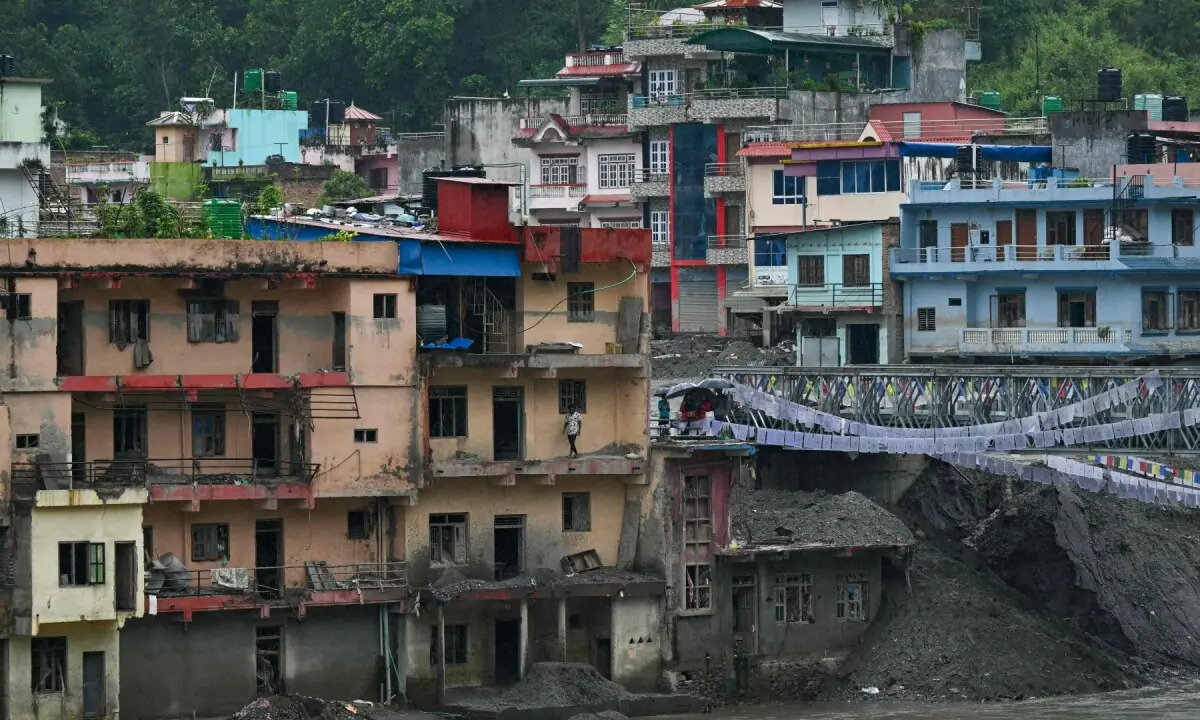
One month after a catastrophic glacial collapse struck the Himalayan nation on August 26, Nepal continues to grapple with staggering humanitarian losses and immense reconstruction challenges. The disaster was triggered when a massive wall of ice and rock broke away from the north face of the Langtang Lirung mountain, situated near the China-Nepal border. Described by eyewitnesses and disaster response teams as a high-speed 'bullet train' of debris, the sudden avalanche of rock, mud, and water surged down the valley with terrifying momentum, obliterating settlements, bridges, and critical transportation links in its path.
The resulting tsunami-like flood caught communities completely unawares, sweeping away homes and infrastructure in a matter of minutes. As search and rescue operations stretched into weeks, thousands of residents remained unaccounted for, while tens of thousands were displaced into makeshift relief camps. International aid agencies, alongside local authorities, have mobilized emergency relief efforts, but relentless monsoon rains, compromised road networks, and rugged terrain have severely hampered access to the worst-hit remote mountain valleys. The disaster has laid bare the extreme vulnerability of Himalayan highland communities to sudden-onset climate catastrophes.
Commercial & Economic Implications
For businesses and trade analysts tracking South Asian commerce, the fallout from the Nepal disaster extends far beyond immediate humanitarian concerns. The destruction of vital highways, bridges, and cross-border trade posts has severely disrupted regional supply chains connecting South Asia to major manufacturing hubs in China. Wholesale distribution networks within Nepal face profound bottlenecks, driving up procurement costs for essential commodities, construction materials, and foodstuffs.
In the broader regional context, particularly for neighboring economies like Pakistan, this catastrophe underscores the fragility of cross-border trade routes and supply line integrity in an era of accelerating climate disruption. Disruptions in highland logistics corridors frequently trigger inflationary pressures on regional commodity prices, impacting wholesale distributors and retail markets alike. Furthermore, the immense cost of national reconstruction will likely force the Nepali government to divert vital fiscal resources away from developmental projects, impacting regional trade pacts, bilateral commerce, and foreign direct investment flows throughout the Himalayan and broader South Asian economic zone.
Related Intelligence: Siege of Oleshky Intensifies Humanitarian and Regional Commodity Pressures
Stakeholder Perspectives & Market Reactions
Industry bodies, trade associations, and international financial institutions have expressed deep alarm over the recurring financial and human toll of climate-induced disasters in South Asia. In recent statements, commercial chambers in Kathmandu and regional trade federations have called for an immediate overhaul of infrastructure resilience standards, urging governments to incorporate stringent climate-risk modeling into all future civil engineering and commercial development projects.
Legal and policy experts emphasize that traditional disaster management frameworks are entirely inadequate for handling systemic risks driven by glacial lake outbursts and high-altitude mountain collapses. Public response has coalesced around demands for greater accountability from industrialized nations regarding global carbon emissions, while domestic business leaders are increasingly lobbying for comprehensive climate-risk insurance schemes to protect vulnerable commercial supply chains from future catastrophic shocks.
Forward Outlook & Key Watchpoints
As Nepal enters its second month of post-disaster recovery, the immediate priority remains stabilizing displaced populations and restoring basic lifeline infrastructure. However, the medium-to-long-term outlook depends heavily on the speed of donor disbursement and the effective deployment of reconstruction capital. Key watchpoints for regional economists and international observers include the reopening timeline for critical trade arteries, the trajectory of domestic inflation driven by material shortages, and the implementation of enhanced early-warning systems across high-risk glacial zones.
Ultimately, the tragedy serves as a stark warning for policymakers across South Asia. Without synchronized regional strategies to fortify critical infrastructure against extreme weather events, recurring climate shocks will continue to destabilize markets, disrupt supply chains, and threaten long-term macroeconomic stability across the entire subcontinent.
Join Our Official WhatsApp Channel
Receive live commodity alerts, policy changes, and commercial intelligence directly on WhatsApp.