
Dr Najeeb Naqis Transition from Medicine to AJK Leadership
An in-depth look at Dr Muhammad Najeeb Naqi's unexpected journey from King Edward Medical College graduate to prominent political figure in Azad Jammu and Kashmir.
The Core Development
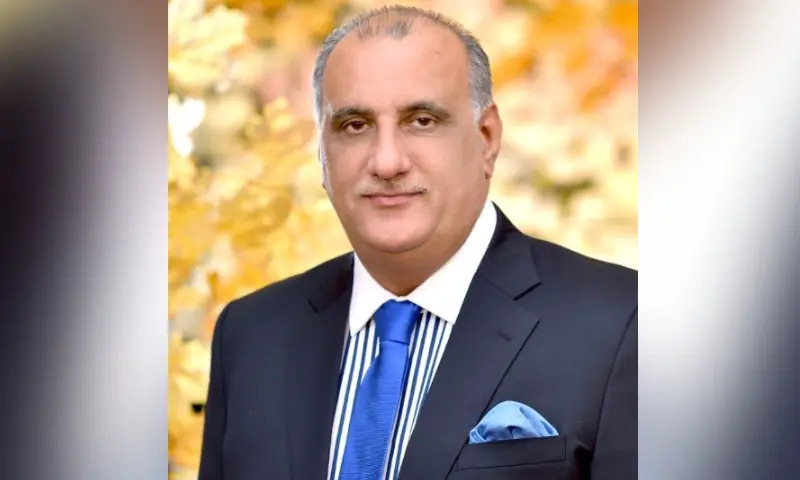
For Dr Muhammad Najeeb Naqi, the corridors of power were never part of the initial career blueprint. An alumnus of the esteemed Aitchison College and a medical graduate from Lahore's prestigious King Edward Medical College, Dr Naqi was firmly established in the medical field, completing his house job at Mayo Hospital. However, fate intervened dramatically just a day before the 1990 general elections in Azad Jammu and Kashmir (AJK). His father, retired Colonel Muhammad Naqi Khan, who served as the minister for health, tragically died in a road accident while actively campaigning for office.
The sudden vacuum compelled family elders to look inward to preserve their political legacy. At the young age of 26, with virtually no prior political experience or aspirations, Dr Naqi was persuaded to step into the political arena. He contested the 1990 election on a Muslim Conference ticket but faced an initial defeat. This electoral setback proved to be a brief detour rather than a permanent halt; the legislative assembly was dissolved within a year, setting the stage for fresh elections where the young medical professional successfully transitioned into regional governance.
Commercial & Economic Implications
While political transitions in regional leadership such as Azad Jammu and Kashmir primarily influence governance structures and policy formulation, they carry significant indirect weight for commercial and economic stability. Regional leadership dynamics directly affect local trade policies, developmental budget allocations, and administrative efficiency across border districts. For business communities operating between Punjab and AJK, consistent administrative leadership is vital for maintaining predictable tax regimes, uninterrupted wholesale distribution networks, and stable retail supply chains.
Furthermore, shifts in political power often dictate public sector expenditure on infrastructure projects, healthcare facilities, and regional trade corridors. A leader with a background in medicine and public health brings a distinct perspective to budgetary priorities, potentially increasing public sector investments in regional health infrastructure, pharmaceutical distribution, and local employment generation. These fiscal decisions ripple through local markets, influencing consumer purchasing power and regional inflation trends.
Related Intelligence: Dr Najeeb Naqi Elected as AJK President in Landslide Victory
Stakeholder Perspectives & Market Reactions
Political transitions of legacy figures elicit diverse responses from regional stakeholders, including trader associations, industry bodies, and civil society organizations. Business councils in AJK closely monitor such leadership evolutions to gauge potential shifts in taxation policies, commercial licensing regulations, and regional development initiatives. Representatives from local trade bodies have historically emphasized the need for administrative continuity to protect retail markets from policy volatility.
Public reaction to Dr Naqi's ascent underscores a complex blend of sympathy stemming from his familial tragedy and pragmatic expectations regarding governance delivery. Observers and legal analysts point out that unexpected entrants into politics often face steep learning curves in legislative drafting and economic management, necessitating strong advisory teams to bridge the gap between clinical precision and macroeconomic policy formulation.
Forward Outlook & Key Watchpoints
As regional political landscapes continue to evolve, the trajectory of leaders with non-traditional backgrounds offers critical insights into the future of governance in Azad Jammu and Kashmir. Key watchpoints for analysts, business leaders, and citizens include upcoming policy announcements regarding regional trade concessions, infrastructural development timelines, and public-private partnerships in healthcare and education.
Policymakers and market participants must closely observe how administrative reforms are executed under evolving leadership structures. The long-term success of such political figures will ultimately be measured by their ability to translate institutional resilience into tangible economic growth, improved public service delivery, and enhanced market confidence across the region.
Join Our Official WhatsApp Channel
Receive live commodity alerts, policy changes, and commercial intelligence directly on WhatsApp.